



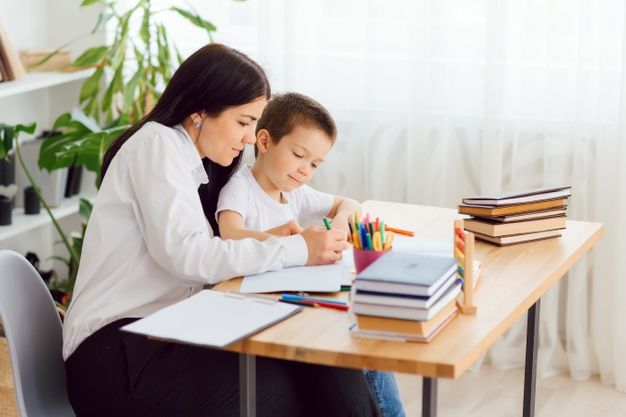
Introduction to Homeschooling in Florida
Home school programs in Florida have gained significant traction over recent years, offering diverse educational opportunities to students across the state.
Florida’s homeschooling landscape is robust and dynamic, characterised by a wide variety of approaches and resources tailored to meet individual family needs.
Home education allows parents to customise their child’s learning experience, providing a flexible alternative to regular school attendance.
Parents who opt for home education are supported by a network of resources, including Florida homeschool groups, umbrella schools, and state-level associations.
These organisations aim to enshrine autonomy and provide comprehensive guidance on state-specific homeschool requirements.
The homeschooling community in Florida is thriving, reflecting the state’s emphasis on educational freedom and choice.
Homeschooling offers a personalised experience where parents act as primary educators, with multiple curriculum options available to ensure educational goals are met.
From traditional curricula to innovative digital options like the Florida Virtual School, parents have a broad range of resources at their disposal.
Legal requirements in Florida mandate that parents comply with specific statutory regulations to maintain their educational programs.
This includes submitting a Notice of Intent to the local school district and ensuring that the child receives regular educational evaluations to satisfy legal obligations.
Such measures ensure that homeschooled students have the opportunity to learn and develop in a structured yet flexible environment.
As more families discover the benefits of home school programmes in Florida, the state continues to enhance support structures that facilitate a seamless educational journey.
Florida homeschooling not only nurtures academic growth but also encourages participation in extracurricular activities and community engagement.
This blend of structured learning and flexible scheduling positions Florida as a leader in the realm of home education.
In conclusion, home school programs in Florida offer an effective alternative to traditional schooling, providing parents with the tools they need to craft a personalised and successful educational experience for their children.
The state’s commitment to educational choice ensures that Florida remains a beacon for those seeking a tailored approach to learning.
Florida Homeschooling Laws and Requirements
Understanding Florida homeschooling laws and requirements is crucial for parents exploring homeschool programs in Florida.
The state’s regulations ensure that homeschooling remains a viable educational alternative while maintaining standards that protect a child’s right to education.
The Florida Statutes enshrine the right for parents to choose homeschooling as a legal education option for their children.
These laws provide a framework for families to deliver a tailored educational experience that suits their children’s needs and helps them reach their academic goals.
Compulsory school attendance in Florida requires children aged 6 to 16 to participate in a recognised educational programme.
For those opting for home school programs in Florida, parents must submit a Notice of Intent to the local school district.
This notice acts as formal documentation, signifying the parent’s intention to homeschool.
Home school programs in Florida necessitate that parents keep a portfolio of records and materials.
This portfolio should include a log of educational activities and samples of the child’s work, which support the claim of regular attendance and educational progress.
Every year, parents must provide an educational evaluation.
This evaluation can be conducted through standardised tests administered by a certified teacher or through another qualified method that meets statutory requirements.
These evaluations ensure that the child is progressing according to state educational standards.
An essential element of the Florida homeschooling laws is that parents retain the freedom to design the curriculum.
This flexibility allows them to choose resources and teaching methods aligned with their child’s learning style and interests.
However, the curriculum needs to cover basic subjects such as reading, mathematics, and science to meet educational requirements.
Parents also have the option to join umbrella schools or associations.
These organisations can provide additional resources and support, aiding in compliance with state laws.
They often offer guidance in curriculum choices, recordkeeping, and any legal issues that may arise.
Florida’s homeschooling laws grant parents significant autonomy while mandating accountability to ensure quality education.
Compliance with these regulations is crucial for the continued success and legitimacy of home school programs in Florida.
By understanding these laws, parents can create a supportive and effective learning environment that paves the way for their children’s bright futures.
How to Start Homeschooling in Florida
Embarking on the journey of homeschooling in Florida involves understanding a few essential steps, especially if you’re considering homeschool programs in Florida.
The process is straightforward, but adhering to Florida’s legal requirements is crucial for a seamless educational experience.
One of the initial steps to take is notifying your local school district.
In Florida, parents are required to file a Notice of Intent to establish a home education program.
This document should be sent to the superintendent of your county school district no later than 30 days after beginning your homeschooling program.
The notice should include the names, addresses, and birthdates of the enrolled children.
An integral aspect of starting homeschooling in Florida is choosing the right curriculum.
Homeschool programs in Florida offer a plethora of options tailored to meet diverse educational needs.
Consider incorporating nationally recognised programs like FLVS or Bridgeway Academy, which align well with Florida’s educational standards.
These programmes often provide structured lesson plans, resources, and materials that can facilitate effective teaching and learning.
Recordkeeping is another fundamental part of the process.
Florida law mandates that homeschooling parents maintain an educational portfolio for each child.
This should include samples of the student’s work and a log of educational activities undertaken.
Retaining these records for at least two years is essential, as school officials may request to review them.
Selecting the appropriate umbrella school is also a popular route for many homeschooling families in Florida.
Umbrella schools serve as an administrative hub, assisting families with recordkeeping, compliance, and sometimes even curriculum selection.
Researching and selecting an umbrella school that aligns with your educational philosophy can provide added support and resources.
Finally, evaluating your child’s progress is key to ensuring they achieve their educational milestones.
In Florida, homeschooled students must be evaluated annually using one of five evaluation methods outlined by state law.
These include standardised testing, evaluations by a Florida-certified teacher, or another accepted form of assessment.
Understanding these requirements will help you seamlessly transition into homeschooling while benefiting from comprehensive home school programs in Florida.
By following these steps, you can ensure that your child receives a quality education in a supportive and flexible learning environment.

Top Homeschooling Programs and Resources
When considering homeschool programs in Florida, a multitude of options are available to suit different educational preferences and needs.
Florida offers a robust selection of homeschooling programs and resources, each designed to facilitate effective learning pathways for students.
A key player among these is the Florida Virtual School (FLVS), which is renowned for providing an extensive array of online courses for students in primary through to secondary education.
FLVS offers flexibility, allowing students to learn at their own pace while still fulfilling state educational requirements.
Another significant resource for homeschool programs in Florida is Time4Learning.
This curriculum is popular among parents due to its comprehensive approach that combines interactive lessons with practical exercises.
It caters to students across various grade levels and is adaptable to individual learning speeds.
Bridgeway Academy is also noteworthy among homeschooling programs in Florida.
It provides a customised education plan, ensuring students’ unique strengths and learning styles are accommodated within the curriculum.
In addition to online curricula, umbrella schools play a vital role in Florida homeschooling.
These organisations offer support in terms of record-keeping, compliance assistance with Florida homeschooling laws, and opportunities for socialisation through group activities and field trips.
Florida homeschool associations and co-ops further enrich the homeschooling experience by offering workshops, educational resources, and community support.
These groups enable parents to share strategies and resources, fostering a collaborative environment essential for student success.
In choosing among the home school programs Florida provides, parents must evaluate the curriculum, resources, and support systems that best align with their educational goals and their children’s learning needs.
An informed decision ensures that parents can offer a rich, adaptable education that satisfies both state requirements and individual student objectives.
Florida Virtual School (FLVS)
Florida Virtual School (FLVS) stands out as one of the premier home school programs in Florida, offering a range of educational options for students from kindergarten through to Year 12.
FLVS provides an extensive array of courses designed to cater to the diverse learning needs of Florida students, ensuring flexibility and adaptability in their educational journey.
One of the primary advantages of FLVS is its ability to offer students the opportunity to learn at their own pace.
This flexibility is particularly beneficial for students who thrive outside the traditional school environment.
Moreover, FLVS is an integral part of the public education system in Florida and is tuition-free for Florida residents.
This makes it an accessible and cost-effective option for families considering homeschool programs in Florida.
Enrolment in FLVS is a straightforward process, enabling students to smoothly transition into an online learning platform.
FLVS not only supports academic development but also covers crucial state educational requirements.
It provides students with the necessary structure to achieve their educational goals while allowing parents to have direct involvement in their child’s learning process.
With a commitment to fostering educational excellence, FLVS not only meets Florida’s educational standards but also prepares students for future opportunities in higher education.
The school’s flexibility and comprehensive curriculum make it a cornerstone in the landscape of homeschool programs in Florida.
As part of our mission at Thomas Keith Independent School, staying informed and providing valuable insights into such programs is essential, and FLVS is a noteworthy example that aligns with the evolving trends in educational needs.
Bridgeway Academy
Bridgeway Academy is a significant player in the landscape of homeschool programs in Florida, offering tailored educational solutions that align with different learning needs and styles.
This institution has established itself as a flexible and customizable option for families interested in homeschool programs in Florida.
Bridgeway Academy provides a variety of curriculum choices, making it easier for parents to find the best fit for their children.
Their programs are designed to cater to students from primary levels through secondary education, ensuring a continuous and cohesive learning journey.
One of the benefits of enrolling with Bridgeway Academy is access to comprehensive support resources.
These include academic counsellors who guide both students and parents in navigating their home school journey effectively.
The structured programs provided by Bridgeway Academy can include everything from standard academic subjects to more personalised courses, often using a blend of online and physical materials.
Additionally, Bridgeway Academy ensures that its curriculum adheres to educational requirements, making it compatible with Florida’s homeschooling laws.
This is crucial for parents aiming to maintain compliance while enjoying the flexibility that home school programs in Florida offer.
For families seeking a collaborative approach, Bridgeway Academy is an excellent choice, offering an array of opportunities to engage with other homeschooling families and educational groups.
Their home school programs in Florida are designed not only to educate but also to foster a community, ultimately aiming to provide a balanced educational experience for all students.
Time4Learning
Time4Learning is a popular choice among home school programs in Florida due to its comprehensive curriculum and user-friendly platform.
It serves as an excellent resource for parents seeking flexible home school programs that cater to Florida’s diverse educational requirements.
Time4Learning offers a robust curriculum that covers core subjects such as mathematics, science, language arts, and social studies, ensuring that all essential areas of learning are addressed.
The program allows students to learn at their own pace, making it an ideal option for families who prioritise individualised instruction over traditional classroom settings.
One of the standout features of Time4Learning is its adaptability, catering to students from primary through secondary and even Sixth Form levels, which aligns perfectly with the needs of families in the Florida homeschooling community.
The programme satisfies legal requirements by facilitating thorough recordkeeping and provides substantial support through its online resources and community forums.
Parents have the opportunity to track their children’s progress through detailed reports, which are especially beneficial when documenting compliance with Florida’s homeschooling laws.
Time4Learning also offers an extensive range of supplementary materials, including interactive lessons and educational games, which can enhance the learning experience and engage students more effectively.
For parents considering home school programs in Florida, Time4Learning presents an attractive option designed to meet both educational standards and the specific needs of homeschoolers.
Its flexibility, comprehensive curriculum, and supportive resources make it a noteworthy choice for those looking to embark on or continue their homeschooling journey.
Florida Umbrella Schools and Associations
Homeschool programs in Florida often utilise umbrella schools and associations to simplify compliance with state homeschooling laws.
In Florida, an umbrella school is a non-traditional private school that oversees homeschooling by handling administrative responsibilities such as record-keeping, attendance, and curriculum choices.
These institutions offer a structured framework while allowing parents considerable control over their child’s education.
Florida’s home school programs, including umbrella schools, ensure that students meet educational requirements while benefiting from private school resources.
Parents enrolling in umbrella schools gain access to specialised resources and support networks, which can include curriculum guidance and extracurricular activities.
This approach provides parents with a comprehensive educational option that maintains a degree of oversight while fostering educational freedom.
Associations in Florida also play a vital role in the homeschooling landscape.
These organisations offer a wealth of resources, including legal insights, curriculum assistance, and co-op opportunities, which allow families to collaborate for joint educational experiences.
The Florida Parent Educators Association (FPEA) is one such organisation that supports the homeschooling community by hosting events and conventions and providing legislative updates.
By integrating with these associations, parents can ensure that their homeschooling efforts comply with state laws and educational standards.
Moreover, these groups often facilitate networking among homeschooling families, providing communal support and sharing of resources.
Such connectivity enhances the homeschooling experience and opens avenues for field trips and social interactions among homeschooled students.
Understanding the role of umbrella schools and associations is crucial for maximising the benefits of homeschool programs in Florida.
Through these networks, families enjoy a structured yet flexible educational pathway suited to various needs and preferences.
Special Needs and Scholarship Opportunities
Homeschool programs in Florida offer a wealth of special needs and scholarship opportunities designed to support diverse educational requirements.
Recognising the unique circumstances of each child, Florida provides several avenues to ensure that students with special needs can achieve a balanced and effective education at home.
The Gardiner Scholarship Program is a significant part of Florida’s approach to special needs education.
It is specifically tailored for children with special disabilities and provides eligible students with funds to cover educational expenses, such as curriculum materials and specialised therapies.
For families choosing home school programs in Florida, this scholarship can make a substantial difference in accessing tailored educational resources.
Beyond the Gardiner Scholarship, the McKay Scholarship is another option available to students with disabilities, facilitating their transfer from public schools to private settings, including home schooling.
This scholarship program offers funding that can be used towards instructional materials and various services beneficial to enhancing the learning experience for special needs students.
Florida is also committed to recognising the financial constraints that may arise for families engaged in homeschooling.
The state’s Scholarship Program is not restricted solely to special needs students but extends to a broader audience, providing support to low-income families and those seeking alternative educational environments.
This inclusive approach makes home school programs in Florida a viable option for many, extending opportunities and fostering educational freedom.
In conclusion, Florida’s commitment to special needs and scholarship opportunities underscores the state’s dedication to providing inclusive and adaptable education choices.
Through programs such as the Gardiner and McKay Scholarships, families can confidently explore homeschool programs in Florida, knowing that necessary support is accessible and substantial.
This ensures not only compliance with compulsory education requirements but also the cultivation of an engaging, personalised learning experience for all students.
Field Trips and Extracurricular Activities
Incorporating field trips and extracurricular activities into home school programs in Florida can greatly enhance the educational experience for students.
These activities provide opportunities for students to apply knowledge in real-world settings, which is integral to a comprehensive homeschool curriculum.
Field trips can be tailored to align with the educational goals and interests of both the student and parent.
Many homeschool programs in Florida organise group outings to local museums, historical sites, and nature reserves, providing students with interactive learning experiences that go beyond regular classroom environments.
Such opportunities can help students develop a deeper understanding of their subjects and foster a love for learning.
Extracurricular activities also play a crucial role in home school programs in Florida.
Engaging in sports, arts, music, and science clubs allows students to explore their interests and talents.
These activities are instrumental in honing social skills and promoting team spirit among homeschoolers.
Participation in such groups provides a sense of community, bridging the gap that may otherwise exist due to the lack of a conventional school setting.
Moreover, many districts in Florida offer homeschoolers access to extracurricular activities within public schools, thus broadening the scope of options available to them.
This access allows students to benefit from resources and facilities that might not be readily available in a typical homeschooling environment.
Whether through organised homeschool groups or public school programmes, these opportunities are vital for the well-rounded development of homeschooled students.
At Thomas Keith Independent School, we understand the importance of these elements in an educational journey, and we encourage integrating such enriching experiences into home school programs in Florida.
Recordkeeping and Legal Considerations
When participating in home school programs in Florida, maintaining accurate records and understanding legal considerations are critical for both compliance and smooth educational experiences.
Florida homeschooling laws require families to keep detailed records, which act as a safeguard for home education under state law.
One of the key elements of engaging with homeschool programs in Florida is the maintenance of a portfolio of records.
This portfolio must include several crucial parts, such as a log of educational activities, samples of student work, and a list of reading materials.
Keeping these records updated is vital as they may be requested by the school district’s superintendent at any time.
Homeschool programs in Florida often provide tools and resources to facilitate efficient recordkeeping.
These resources assist parents in compiling a comprehensive portfolio that aligns with Florida’s regulations.
Failure to maintain accurate records could lead to complications with district evaluations, potentially risking the official status of your homeschooling efforts.
Legal considerations are another significant aspect of homeschooling in Florida.
Parents must file a notice of intent with their local school district, a process which formally declares their intention to homeschool their child.
Additionally, an annual evaluation is required to demonstrate the child’s educational progress in home school programs in Florida.
This evaluation can take several forms, including standardised testing or an educational evaluation completed by a certified teacher.
Navigating these legal requirements might appear daunting initially.
However, many home school associations and support groups offer guidance on legal compliance, ensuring that families meet all requirements.
Understanding these aspects ensures that legal challenges are met proactively, allowing families to focus on the core objective: providing a quality education.
In summary, recordkeeping and legal considerations are corners in the framework of home school programs in Florida.
By fulfilling these requirements, homeschoolers uphold the standards set out by the state, thereby enjoying the full benefits and freedoms that come with home education.
These components are integral to the successful navigation and management of homeschooling, guaranteeing a well-documented and legally secure educational pathway for children.
Challenges and Solutions for Homeschoolers
Homeschool programs in Florida offer numerous educational opportunities, yet they also present unique challenges for parents and students alike.
Understanding these challenges and finding practical solutions is crucial for a successful home education experience.
One of the foremost challenges faced by homeschoolers is the issue of socialisation.
Unlike traditional school settings, home school programs in Florida may lack regular interaction with peers.
To address this, parents can seek out local homeschool groups or co-ops, which often organise meet-ups, group activities, and shared learning experiences.
These interactions not only provide social opportunities but also foster a sense of community among homeschool families.
Another challenge is ensuring that the curriculum satisfies educational requirements and prepares students for higher education.
With home school programs in Florida, parents must carefully select curriculum options that are both comprehensive and aligned with state standards.
Resources such as Florida’s umbrella schools can offer guidance and support in choosing appropriate materials and instructional methods.
These organisations often provide access to structured programs and assessments, ensuring students remain on track academically.
Legal compliance and recordkeeping present additional challenges in the realm of homeschooling.
Parents must adhere to state regulations, including submission of notices of intent and maintaining thorough educational records.
A practical solution is utilising software and online platforms designed for homeschool recordkeeping, which can simplify the process and ensure compliance with Florida’s homeschooling laws.
For homeschoolers navigating these challenges, understanding and utilising available resources is essential.
Florida’s homeschooling associations and support networks can provide both information and assistance.
By leveraging these resources, parents can effectively manage the complexities of homeschooling, allowing their children to reach their full educational potential.
Conclusion: Achieving Educational Goals Through Homeschooling
The flexibility of home school programs in Florida provides families with an opportunity to tailor educational experiences to match individual learning styles and goals.
Homeschooling allows parents to incorporate a diverse range of teaching methods and resources, enabling students to master subjects at their own pace.
Florida’s educational framework and extensive support networks make it possible for homeschoolers to achieve their desired academic outcomes.
Through the personalised approach offered by home school programs in Florida, students are well-prepared to transition to higher education and enter various career pathways.
By maintaining a focus on core educational values and staying compliant with local regulations, homeschooling families can successfully reach their learning objectives.
In conclusion, home school programs in Florida are not merely an alternative to traditional schooling; they represent a viable and effective strategy to achieve comprehensive educational success.
