



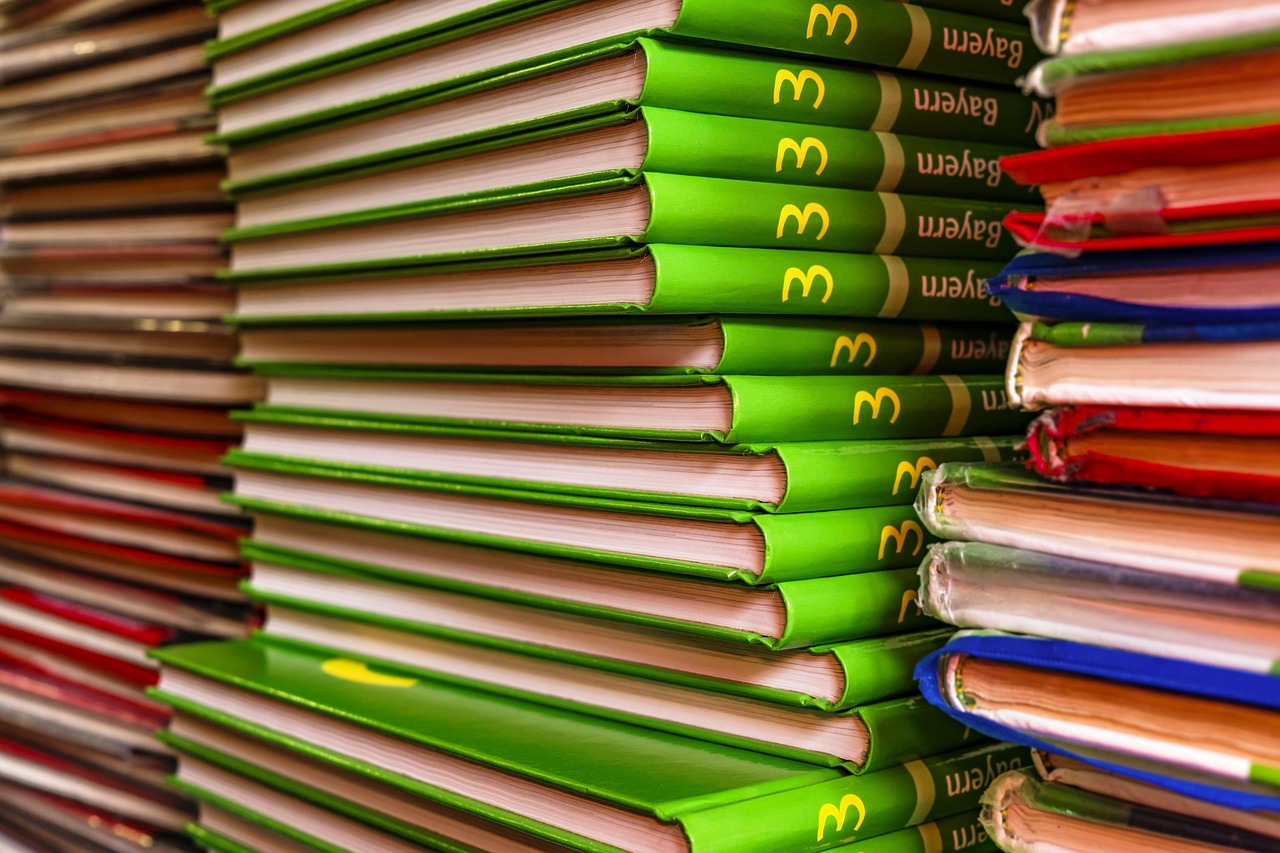
Introduction to Year 9 Reading
When it comes to engaging Year 9 students in English literature, selecting the right year 9 English books is paramount.
Reading in Year 9 plays a crucial role in developing both critical thinking skills and a lifelong passion for literature.
At this stage, pupils are transitioning from primary-level reading into more complex texts that introduce them to a wide array of themes and genres.
Year 9 is an ideal time for students to explore contemporary fiction, thrilling mysteries, and even the depths of historical novels.
These themes are essential in broadening their understanding of different cultures and historical contexts.
Exposure to a variety of genres, including dystopian and modern stories, provides students the opportunity to experience diverse narrative styles.
At Thomas Keith Independent School, we believe that offering a rich selection of year 9 English books is essential for engaging and challenging pupils.
Our reading programme is designed to cater to different interests, whether a student is fascinated by romance, gripped by thriller novels, or eager to embark on a historical journey.
By carefully curating a list that includes both contemporary and classic novels, we ensure students are continuously intrigued and inspired.
This variety not only enhances their reading skills but also develops their ability to interpret and critique various literary forms.
Introducing diverse narratives, our curriculum encourages students to think critically about the stories they read, explore themes of friendship, power, and identity, and understand the world through different perspectives.
This analytical approach helps to prepare students for future academic challenges, developing their ability to engage with complex texts and multifaceted themes.
Through an exciting and challenging reading list, Year 9 students are not only learning about literature but also about themselves and the society in which they live.
This makes our carefully selected list of year 9 English books not just educational resources but keys to unlocking imagination and intellectual curiosity.
The importance of fostering a love for reading in Year 9 cannot be understated; it is a foundational step towards lifelong learning and success in both academic and personal endeavours.

Contemporary Fiction for Year 9 Students
The landscape of contemporary fiction within year 9 English books is rich and varied, offering students an engaging entry into the world of modern storytelling.
These books are directly relevant to the experiences and challenges faced by today’s teenagers, making them ideal for year 9 students eager to explore narratives that resonate on a personal level.
At Thomas Keith Independent School, we recommend contemporary fiction that not only captivates but also inspires intellectual curiosity and critical thinking.
Titles such as “Future Hopes: Hopeful Stories in a Time of Climate Change” by Lauren James present a fusion of relevant themes with a focus on environmental challenges.
This book is a prime example of how contemporary fiction can provoke thought and dialogue around pressing issues in the modern world.
Another exemplary choice for year 9 English books is “This Book Kills” by Ravena Guron, a gripping mystery that keeps students engaged while also enhancing their analytical skills.
It delves into themes of crime and investigation with a modern twist, ideal for readers who enjoy thrillers.
Moreover, “Lionheart Girl” by Yaba Badoe combines elements of fantasy and African mythology, allowing students to explore diverse cultures and imaginative storytelling.
Contemporary fiction in the realm of year 9 English books often balances entertainment with educational value, making it indispensable for any reading list.
In these novels, students encounter relatable characters, dynamic plots, and a range of settings that challenge their perceptions and broaden their horizons.
The integration of diverse themes such as friendship, family dynamics, and personal identity helps foster empathy and introspection among young readers.
Engaging with contemporary fiction allows year 9 students to draw connections between literature and real-world issues, enhancing their understanding and appreciation of the written word.
At Thomas Keith Independent School, we believe in cultivating a lifelong passion for reading through these relevant and compelling narratives.
Ultimately, contemporary fiction is not just about enjoyment but also about offering a mirror to society, reflecting both its beauty and its complexities in ways that are accessible to young minds.
Classic Novels for Year 9 Readers
In the realm of year 9 English books, classic novels hold a significant place, offering timeless themes and valuable insights into human nature.
These classic works of literature are essential reading for Year 9 students, providing not only a window into different historical contexts but also a profound understanding of universal themes that remain relevant today.
Classic novels often explore complex themes such as morality, identity, and the human condition, making them a staple in the year 9 English books curriculum.
One quintessential classic is “To Kill a Mockingbird” by Harper Lee.
This novel explores themes of racial injustice and moral growth, making it an ideal choice for Year 9 readers seeking to understand the complexities of human society.
Another cornerstone of classic literature suitable for Year 9 is “The Catcher in the Rye” by J.D. Salinger.
This novel delves into themes of adolescence and identity, offering Year 9 students a relatable exploration of teenage angst and the search for self.
“Lord of the Flies” by William Golding is yet another essential classic for Year 9 English books.
Its examination of human nature and societal breakdown provides a gripping narrative that challenges students to consider the thin veneer of civilisation.
The inclusion of classics like these in the Year 9 curriculum not only enriches students’ literary knowledge but also enhances their critical thinking skills.
Such literature encourages Year 9 students to think analytically, making connections between the text and broader social and historical issues.
Classic novels are an invaluable component of Year 9 English books, paving the way for a deeper appreciation of literature and its implications on modern life.
At Thomas Keith Independent School, we recognise the importance of integrating these classics in our curriculum to foster an enduring love for reading and learning.
Encouraging engagement with classic novels prepares students for the analytical and critical thinking required in higher education, while also providing a foundation in the vast world of literature.
Through these classic novels, Year 9 readers are not only challenged but are also inspired to become lifelong learners and discerning readers.
Thrillers and Mysteries
Year 9 English books encompassing thrillers and mysteries play a crucial role in engaging teenage readers and introducing them to complex plotlines and intricate story structures.
These narratives often delve into suspenseful and challenging themes that captivate the students’ imagination and encourage them to explore the world of literature more deeply.
The inclusion of thrillers and mysteries in the Year 9 reading list is essential for fostering analytical skills and critical thinking among pupils, which are pivotal competencies in their educational journey.
Thrillers such as “This Book Kills” by Ravena Guron offer readers a gripping tale that combines mystery and a sense of danger, maintaining constant engagement with its unpredictable twists.
These narratives challenge students to piece together clues and anticipate outcomes, providing a mental workout that is both enjoyable and intellectually rewarding.
Engaging with such plots helps develop a student’s capacity for detailed observation and logical reasoning, both indispensable in the analysis of literary texts.
Mystery novels, while thrilling, also delve into complex character development, often weaving in social and moral themes.
“Monsters of Men” by Patrick Ness, for instance, invites Year 9 readers to explore the intricacies of human nature and conflict, played out in a suspenseful setting.
Such stories are not only captivating; they encourage readers to question motives, consider moral dilemmas, and understand the vast array of human emotions, thereby broadening their empathetic understanding.
By integrating thrillers and mysteries into the Year 9 English books collection, Thomas Keith Independent School aims to spark an enduring interest in literature that goes beyond surface entertainment to touch on deeper analytical and emotional engagement.
These genres are invaluable for their ability to compel students to engage with texts actively, question narrative techniques, and analyse character motivations, underpinning a robust foundation for their future literary pursuits.
Science Fiction and Fantasy
Science fiction and fantasy are integral genres within year 9 English books, providing students with imaginative escapes and stimulating their creative thinking.
The inclusion of science fiction and fantasy in a year 9 reading list is essential because these genres challenge students to explore new worlds and concepts beyond their everyday experiences.
These genres provide a unique blend of adventure, discovery, and moral questioning, which can captivate young minds and inspire critical thinking.
In science fiction, year 9 readers often encounter narratives exploring futuristic realities, advanced technology, and complex societal structures.
Books such as “Brave New World” by Aldous Huxley introduce themes of dystopia and human conditioning, urging students to reflect on contemporary societal trends.
Understanding the interplay between human nature and future advancements can be compelling for students who are intrigued by the possibilities of technological progress.
Fantasy novels, on the other hand, transport year 9 readers to enchanted realms where magic and mythical creatures reign.
Books like “The Twilight Saga” by Stephenie Meyer merge elements of romance with the fantastical, enthralling readers who are drawn to stories about supernatural beings and forbidden love.
The imaginative nature of fantasy encourages students to think beyond the constraints of reality and to embrace the creative potential within their own minds.
Within the context of year 9 English books, both science fiction and fantasy also serve as tools for exploring complex themes such as power, identity, and morality.
In Patrick Ness’s “Monsters of Men,” readers are plunged into a world where survival and ethical dilemmas force characters to redefine their beliefs and alliances.
Such narratives not only entertain but also invite students to consider the ethical implications of decisions and actions in a way that is both engaging and educational.
For Thomas Keith Independent School, recommending year 9 English books that include science fiction and fantasy means offering students stories that entertain while simultaneously educating them about broader life themes.
The potential for these genres to spark discussions around the dinner table or within classroom debates is immense, and they serve as perfect tools for cognitive and emotional development in young learners.
Historical Fiction and Biographies
Exploring historical fiction and biographies is an essential part of the Year 9 English books curriculum at Thomas Keith Independent School.
These genres are instrumental in providing students with a multi-faceted understanding of different historical periods and influential figures.
Year 9 English books often include historical fiction because they enable readers to engage with past events through compelling narratives, while biographies offer insight into the lives and achievements of notable individuals.
Historical fiction in Year 9 English books is a genre that melds well-crafted storytelling with factual historical contexts.
Books like “Empire of the Sun” by J.G. Ballard transport readers to wartime environments, providing a visceral sense of history through the eyes of fictional characters.
These stories help students connect emotionally with past events, creating a deeper understanding that goes beyond mere dates and facts.
On the other hand, biographies in Year 9 English books offer an in-depth look at the lives of real people who have shaped history.
Biographies such as “Amos Fortune, Free Man” by Elizabeth Yates provide inspiring accounts of resilience and achievement against adversity.
These narratives not only educate students about historical figures but also serve as motivation through their exploration of human endurance and innovation.
Historical fiction and biographies in Year 9 English books are critical for developing analytical skills and cultural awareness.
By exploring diverse settings and contexts, students can evaluate the cause-and-effect relationships within historical events and appreciate the complexities of human experience.
This aids in learning how history impacts contemporary society, framing today’s world within historical developments and personalities.
In conclusion, historical fiction and biographies are indispensable in Year 9 English books for fostering a well-rounded understanding of history and its enduring relevance.
At Thomas Keith Independent School, we aim to equip students with these insights through meticulously selected reading material that enhances both their historical knowledge and literary appreciation.
Dystopian and Adventure Stories
Dystopian and adventure stories are essential components of the year 9 English books that captivate young readers through thrilling narratives and imaginative worlds.
For students at Thomas Keith Independent School, exploring these genres within year 9 English books can greatly enhance their understanding of societal issues and personal resilience.
The appeal of dystopian literature often lies in its ability to present a speculative future, prompting readers to reflect on contemporary societal challenges.
Books like “The Hunger Games” by Suzanne Collins or “The Maze Runner” by James Dashner have become staples in this genre, providing engaging narratives that challenge the norms and provoke thought on governance, survival, and human nature.
These stories provide more than just an adrenaline rush; they often serve as cautionary tales that critique current aspects of society or project exaggerated outcomes of current trends, making them a valuable component of year 9 English books.
In addition to dystopian themes, adventure stories offer excitement through journey and discovery.
Classics such as “Treasure Island” by Robert Louis Stevenson remain popular in year 9 English books due to their timeless appeal and introduction to moral lessons learned through daring exploits and personal growth.
The combination of dystopian and adventure stories fosters an environment where students can explore complex themes like power, freedom, and the human condition while honing their analytical skills.
The exploration of these themes in year 9 English books encourages students to think critically about the world around them and ignite their imaginations, paving the way for intellectual growth.
By integrating these compelling narratives into the curriculum, Thomas Keith Independent School supports its mission to provide a broad and enriching literary foundation, equipping students with the tools to think deeply and creatively about their environment.
Graphic Novels and Illustrated Books
Graphic novels and illustrated books are an engaging component of year 9 English books, combining visual artistry with literary narratives to create a captivating reading experience for students.
The inclusion of graphic novels in year 9 is advantageous as they cater to visual learners and reluctant readers who may find the interplay of text and imagery more accessible and stimulating.
Graphic novels such as “American Born Chinese” by Gene Luen Yang not only offer compelling storylines but also delve into themes of identity, culture, and adolescence, making them an ideal choice for year 9 students exploring complex topics.
Illustrated books often cover a broad spectrum of genres, from fantasy and historical narratives to autobiographies, providing a diverse array of content that can complement the traditional year 9 English curriculum.
By integrating graphic novels and illustrated books into the reading list, Thomas Keith Independent School enables students to develop a deeper appreciation for storytelling while enhancing their visual literacy skills.
Additionally, these resources can serve as a bridge to more challenging texts by helping students build the confidence needed to tackle dense narratives found in other year 9 English books.
In summary, the selection of graphic novels and illustrated books as part of year 9 English books is a strategic approach to fostering a love of reading among teenagers.
These works provide dynamic storytelling methods that appeal to the diverse interests and learning styles of students, ensuring an enriching and engaging educational experience.
Themes and Topics in Year 9 Literature
In the diverse array of year 9 English books, students encounter a wealth of themes and topics that not only delight but also inform and challenge.
These themes provide the backbone for engaging discussions, critical thinking, and analytical skills development, which are integral to the educational objectives at Thomas Keith Independent School.
One prevalent theme in year 9 English books is identity and self-discovery.
Books such as “The Catcher in the Rye” by J.D. Salinger explore the complexities of adolescence, providing readers with insights into personal growth and the trials of teenage years.
This theme encourages students to reflect on their own identity and the factors that shape who they are.
Another significant theme is the clash between tradition and modernity.
Year 9 English literature often includes classics like “Brave New World” by Aldous Huxley, which juxtapose traditional values with modern scientific advancements.
Such books provoke discussions on the impact of technology on society and the ethical considerations it raises.
Friendship and loyalty also feature prominently in year 9 English books.
Stories like “Monsters of Men” by Patrick Ness examine the bonds between characters facing adversity, highlighting themes of trust, betrayal, and solidarity.
These narratives offer students opportunities to explore the dynamics of relationships and the moral dilemmas that accompany them.
Moreover, the theme of social justice is well-represented, challenging students to consider issues of equity, inequality, and human rights.
Books like “To Kill a Mockingbird” by Harper Lee allow readers to delve into historical and contemporary societal injustices, encouraging them to develop empathy and a sense of responsibility towards fostering a just society.
Lastly, the theme of survival against adversity is a staple in year 9 English books.
With titles such as “The Call” by Peadar O’Guilin, students gain insights into resilience and human spirit when faced with extraordinary challenges.
These stories inspire readers to consider what it means to endure and overcome obstacles in their own lives.
By exploring these themes and topics, year 9 English books prepare students to engage with a complex world, equipping them with the analytical tools needed for both academic and personal growth.
At Thomas Keith Independent School, we ensure these themes are thoughtfully integrated into our curriculum to enrich the learning experience and cultivate a lifelong love of literature.
Conclusion: Encouraging a Love for Reading
Instilling a love for reading in students, particularly through engaging year 9 English books, is a significant aspect of their educational journey at Thomas Keith Independent School.
Our carefully curated selection of year 9 English books aims to foster both literary appreciation and critical thinking skills in young readers.
By exploring a diverse range of genres—such as dystopian novels, historical fiction, and contemporary stories—the students are encouraged to engage with varied narratives and diverse perspectives.
This variety not only aligns with current trends in young adult literature but also ensures that each student can find material that resonates with their interests.
Incorporating year 9 English books into the curriculum is pivotal in developing students’ depth of understanding and empathy.
Parents and educators both play crucial roles in encouraging a reading culture that extends beyond the classroom.
Ultimately, fostering a passion for reading in year 9 students equips them with the skills and curiosity necessary for lifelong learning, setting the foundation for future academic and personal success.
