



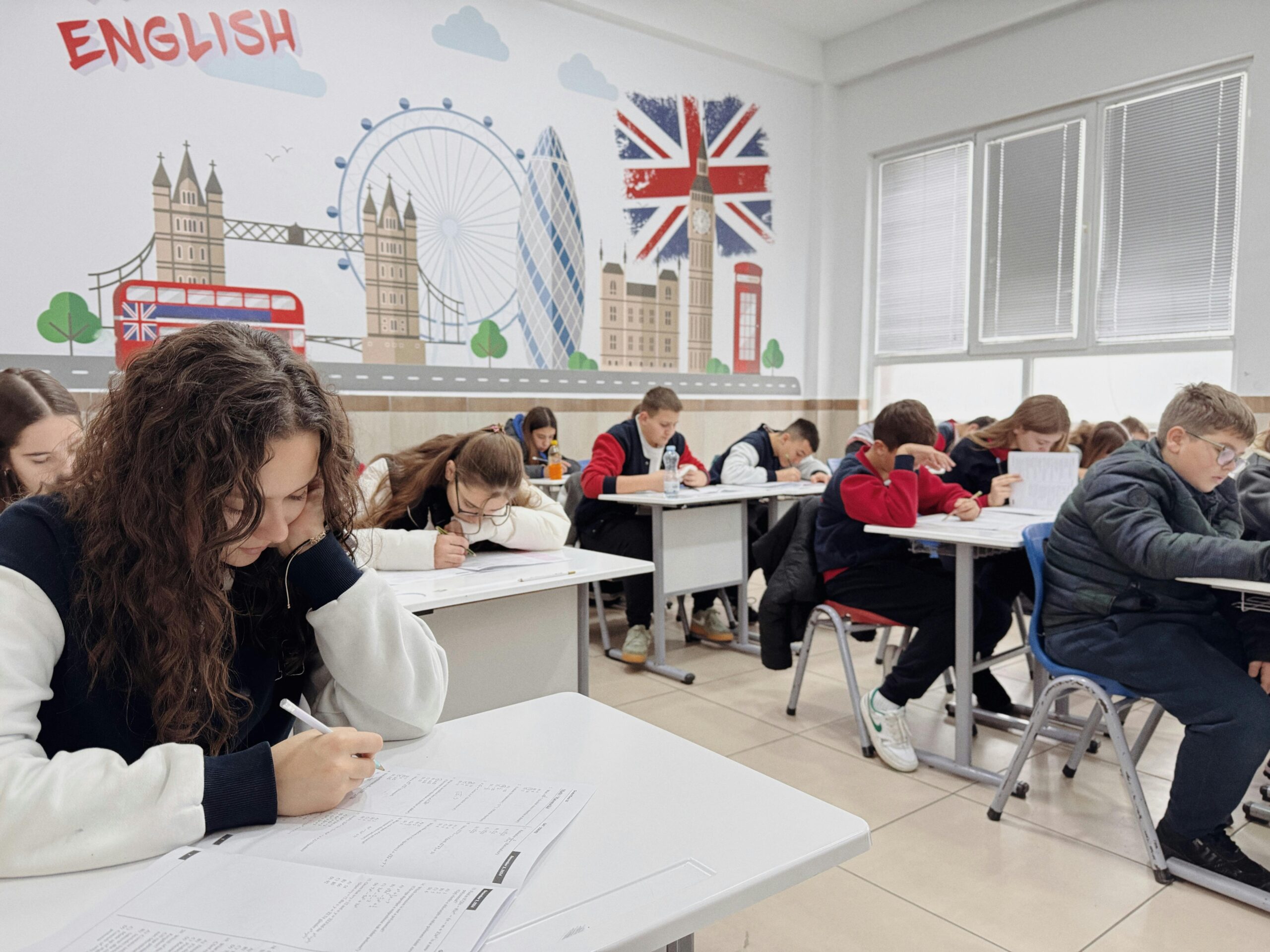
Introduction to English-Speaking Schools in Europe
The English Speaking Schools In Europe are enriched by a diverse range of English-speaking schools that cater to international students and expatriate families.
**English-speaking schools in Europe** are increasingly popular due to their global curriculum, multilingual exposure, and the high standard of education they offer.
These schools deliver a significant opportunity for students who seek a comprehensive education facilitated in English, combined with the rich cultural experiences Europe offers.
Parents and guardians searching for distinct quality schooling often consider these institutions due to their robust academic programmes.
**International schools** usually follow globally recognised curricula like the International Baccalaureate, British A-Levels, or the American AP.
This ensures that students are well-prepared for further education in top **universities** worldwide.
While Europe boasts a wealth of academic excellence, the demand for **English language education** is rising.
Many **international schools** are situated in cosmopolitan hubs such as Geneva, Zurich, Paris, and Vienna, providing easy access to **international airports**, making them appealing choices for globally mobile families.
The ability to speak multiple languages, including English, French, or even German, is invaluable in today’s **global market**, offering students clear advantages.
The introduction to English-speaking schools in Europe is not just about language proficiency; it’s about adapting to a world where cultural understanding is imperative.
Students are not only learning in English but are also gaining insights into different cultures and histories.
This broadens their perspectives, making them well-rounded individuals prepared to think critically and engage with the world’s challenges.
Ultimately, selecting one of the many reputable **English-speaking schools in Europe** means committing to an education system that emphasizes academic success and personal growth, ensuring students are ready to navigate our increasingly interconnected world.

Why Choose an English-speaking School in Europe?
Choosing English-speaking schools in Europe offers a plethora of advantages that attract families from across the globe, particularly those looking for comprehensive educational opportunities in a diverse setting.
Firstly, English-speaking schools in Europe cater to the educational needs of expatriate families, ensuring that children receive a consistent curriculum regardless of their location.
This continuity is particularly vital for students who often move between countries, allowing them to avoid disruption in their education.
Europe, known for its cultural diversity and rich history, provides students with a unique opportunity to experience a new way of life while continuing to study in English.
The continent boasts a range of international schools that follow the British curriculum, International Baccalaureate, or other renowned educational systems, thus offering parents a choice that aligns with their child’s educational needs and capabilities.
Studying in an English-speaking school in Europe prepares students for global citizenship.
Pupils are exposed to various languages and cultures, which enhances their linguistic skills and cultural intelligence.
This international exposure is invaluable in today’s interconnected world, where understanding and collaboration across cultures are increasingly significant.
Moreover, many English-speaking schools in Europe are located in cities with rich academic traditions and state-of-the-art facilities.
For instance, cities like Zurich, Geneva, Paris, and Vienna are home to schools that provide excellent academic resources, sports facilities, and extracurricular activities, nurturing well-rounded individuals prepared to face global challenges.
Finally, attending an English-speaking school in Europe can open doors to prestigious universities worldwide.
Students who have been educated in English in an international environment are often seen as attractive candidates by top universities due to their adaptability and broad worldview.
In summary, English-speaking schools in Europe offer a compelling combination of high academic standards, cultural diversity, and international exposure, making them an ideal choice for families seeking a world-class education in a global setting.
Top English-speaking International Schools in Europe
English-speaking schools in Europe provide an invaluable portal to global education, offering students a rich tapestry of multicultural experiences combined with quality teaching in the English language.
These international schools do not just cater to expatriate communities but also attract local families interested in an English-based curriculum.
Understanding the top English-speaking international schools in Europe involves examining their curriculums, campus facilities, teaching standards, and the cultural and extracurricular opportunities they offer.
One of the most prestigious English-speaking schools in Europe is **Institut Le Rosey** in Switzerland.
Often referred to as the “School of Kings,” Le Rosey offers a bilingual curriculum that melds the strengths of both Swiss and British education systems.
Students have access to extensive facilities, including arts centres, sports arenas, and winter campuses in Gstaad.
This school is renowned not only for its academic excellence but also for its global alumni network.
The **International School of Geneva**—the oldest of its kind—is another prominent name in the realm of English-speaking schools in Europe.
Founded in 1924, it is where the International Baccalaureate (IB) Programme was born.
Students benefit from a comprehensive curriculum that encourages critical thinking and cultural sensitivity—key components in preparing for the challenges of a global society.
In the United Kingdom, **TASIS The American School in England** provides an American-based education with a broad international outlook.
Situated in Thorpe, Surrey, the school’s beautiful campus is a short distance from London.
Offering both the IB and Advanced Placement (AP) courses, TASIS caters to students wishing to pursue higher education on both sides of the Atlantic.
**The British School of Paris** offers an authentic British education.
Conveniently located near the French capital, it draws families who wish to maintain British educational standards while living abroad.
The school follows the National Curriculum for England and Wales and prepares students for IGCSEs and A-Levels.
Finally, the **International School of Brussels** represents the diversity and cosmopolitan nature typical of English-speaking schools in Europe.
With a rich array of programmes including IB and Advanced Placement, it serves a multicultural student body, fostering inclusiveness through languages and service learning.
English-speaking international schools in Europe, as exemplified by these institutions, provide not only education but a lifelong network of connections, paving the way for future success globally.
Whether integrating into diverse cultural settings or excelling academically in their next educational pursuits, students at these schools benefit from well-rounded, diverse learning experiences.
Such schools, like Thomas Keith Independent School, represent the pinnacle of global educational experiences, combining the best of English educational standards with an enriching international environment.
Benefits of Studying in an English-Speaking School.l
Choosing to enrol in one of the prestigious English-speaking schools in Europe offers a multitude of advantages for both students and parents alike.
These schools provide an immersive educational environment where English is the primary language of instruction, catering to families seeking a standardised international curriculum.
By attending such schools, students are equipped with the necessary language skills and cultural competencies that are invaluable in a globalised job market.
One of the primary benefits of studying in English-speaking schools in Europe is the exposure to a diverse array of cultures and languages present within the classroom.
This diversity enhances the learning experience by fostering open-mindedness and cross-cultural understanding among students.
Additionally, the curriculum often incorporates elements of the local culture, providing a well-rounded educational experience that is both international and locally relevant.
In academia, English-speaking schools in Europe are known for their high educational standards and rigorous academic programmes.
These institutions often follow internationally recognised curriculums such as the International Baccalaureate (IB) or the British curriculum, which are highly regarded by universities worldwide.
Such programmes prepare students for higher education and provide them with a competitive edge when applying to top universities, both in Europe and globally.
Moreover, attending an English-speaking school in Europe can significantly enhance a student’s English language proficiency, an asset that is vital in today’s globalised world.
Proficiency in English opens up numerous opportunities in higher education and careers, allowing students to access a wider range of information, academic resources, and professional networks.
This linguistic ability, combined with the critical thinking and problem-solving skills nurtured in these schools, prepares students to thrive in various career paths across the globe.
Finally, the supportive and well-resourced learning environments of English-speaking schools in Europe encourage personal growth and the development of lifelong friendships.
The focus on holistic development ensures that students not only excel academically but also grow socially and emotionally, setting a solid foundation for their future endeavours.
In conclusion, the benefits of studying in English-speaking schools in Europe are manifold, offering students a comprehensive education that is both globally oriented and locally enriched.
These schools prepare students for the complexities of the modern world, providing them with the tools to succeed in their academic, professional, and personal lives.
Challenges and Considerations
When evaluating English-speaking schools in Europe, it is essential to consider the potential challenges and factors that might impact the educational journey.
While English-speaking schools in Europe offer a comprehensive and globally attuned curriculum, there are certain considerations that parents and students must keep in mind.
Firstly, the cultural adjustment in English-speaking schools in Europe can be significant.
The transition involves not only adapting to a new educational environment but also acclimatising to cultural nuances and social norms.
Each country in Europe has its cultural idiosyncrasies, which may require time and understanding to navigate effectively.
Language barriers, although minimised in English-speaking schools, can still pose a challenge outside the academic environment.
Interactions within local communities may require proficiency in the country’s native language, adding a layer of complexity.
Another consideration is the cost associated with attending English-speaking schools in Europe.
These institutions often come with prestigious reputations which are reflected in their tuition fees.
Parents must weigh these costs against the benefits, including potential career advantages and international networking opportunities offered by such schools.
Furthermore, logistics such as relocation and accommodation can affect the overall experience.
Finding suitable housing and managing the logistics of moving to a new country can be daunting.
Engaging with relocation experts or leveraging school resources can alleviate some of these pressures.
Ultimately, the choice of an English-speaking school in Europe should be based on a balance of educational aspirations and practical considerations.
While the challenges are notable, the unique educational experience and global prospects provided by these schools often outweigh the obstacles, offering a transformative journey for students.
How to Choose the Right School for Your Child
Selecting the right school for your child is a critical decision and choosing from English-speaking schools in Europe can provide a valuable international educational experience.
When considering the options available, it is vital to keep several factors in mind to ensure your child benefits from a conducive learning environment.
European English-speaking schools often offer a robust academic programme.
They align with international standards and provide qualifications that are recognised globally, such as the International Baccalaureate (IB) or A-Levels.
Consider the type of curriculum offered by the potential school, ensuring it suits your child’s academic needs and future aspirations.
Location is another fundamental aspect.
Many English-speaking schools in Europe are situated in vibrant cities with diverse cultural and social offerings.
Schools in Switzerland, for example, might provide different experiences compared to those in Spain or France in terms of language exposure and cultural immersion.
Assess the location not only in terms of what the city offers but also regarding accessibility and safety.
Class size and teacher-student ratio are also paramount in evaluating the right school for your child.
Smaller class sizes often foster a more personalised approach to teaching, ensuring that your child receives the attention and support needed to thrive academically.
Investigate the faculty’s qualifications and experience to ascertain the quality of teaching your child will receive.
Finally, assess the extracurricular offerings and facilities available at the schools.
English-speaking schools in Europe typically provide a wide range of extracurricular activities, from sports to arts, which are crucial for your child’s holistic development.
Evaluate whether the school’s facilities support these activities adequately and if they correspond with your child’s interests.
Researching English-speaking schools in Europe and weighing these considerations thoughtfully will guide you in choosing an institution that aligns with your child’s educational journey and personal growth.
At Thomas Keith Independent School, we understand the importance of making the right choice, and we are committed to providing detailed guidance to support you in this endeavour.
Conclusion
In conclusion, the decision to enrol your child in one of the esteemed English-speaking schools in Europe offers a myriad of benefits that extend beyond academics.
The English speaking schools in Europe not only provide a robust international curriculum but also immerse students in a multicultural environment that fosters personal and professional growth.
As the demand for global citizens increases, these schools prepare students for success on the international stage, offering languages, diverse cultural experiences, and a strong academic foundation.
These factors make English-speaking schools in Europe an alluring option for parents seeking a well-rounded, high-quality education for their children.
When considering an international education, it is vital to weigh the potential challenges, cultural adjustments, and financial considerations.
At Thomas Keith Independent School, we believe that the right choice can open doors to endless opportunities, building a bridge to a bright future.
Ultimately, choosing the right school comes down to personal priorities and values, ensuring that your child receives an education that aligns with their needs and aspirations.
