



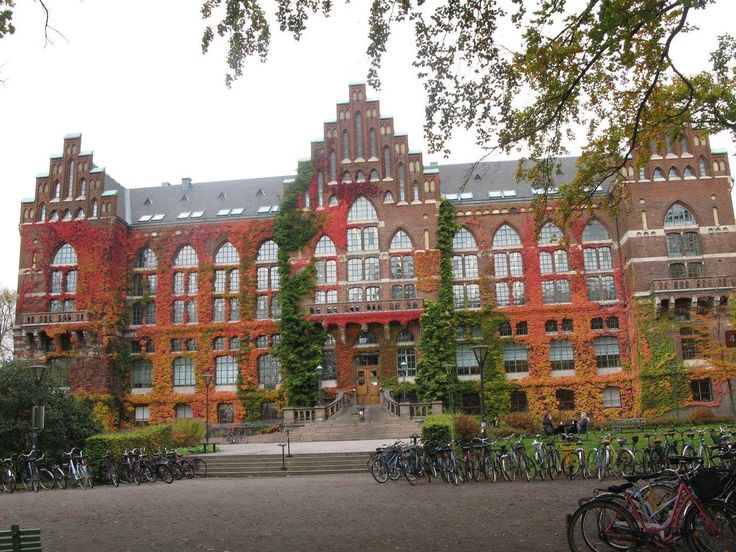
Introduction to American Schools in Sweden
American schools in Sweden play a pivotal role in offering an international educational experience, blending American pedagogical methodologies with the rich cultural heritage of Sweden.
These schools serve the expatriate community, providing a seamless transition for students accustomed to the American educational system.
This introduction to the unique aspect of American schools in Sweden sets the stage for understanding their impact on both students and the educational landscape.
American schools in Sweden are interestingly positioned, bridging educational practices from the United States with Swedish cultural and educational values.
The teaching staff, often a mix of international and local professionals, bring diverse methodologies to the classroom, ensuring a rich learning environment.
Parents believe in these institutions because they offer the highest quality education, which is reflected in the curriculum designed to adhere to both the United States education standards and local regulations.
The introduction of such international schools has enhanced the educational landscape by providing a diverse range of educational options.
These schools promote a vibrant, multicultural community where students are encouraged to learn through shared experiences and diverse perspectives.
Many American schools in Sweden offer programmes that facilitate a smooth transfer to Swedish gymnasiums, thus playing a vital role in a student’s academic journey.
This partnership between the American and Swedish educational systems benefits students by providing them with evidence-based teaching techniques and enhancing their leadership skills.
Students in these schools experience a holistic education, which includes participation in various extracurricular activities such as the Danderyd Olympics and Workshop Wednesdays, further promoting a sense of community and engagement.
These institutions have had positive impacts on alumni, who successfully transition to top universities globally, evidencing their success and quality.
The excitement surrounding American schools in Sweden is evident in their thriving communities, where gratitude from families and staff is expressed regularly through newsletters, blogs, and community events.
In conclusion, American schools in Sweden not only provide an exceptional educational experience but also contribute significantly to the cultural and academic cohesion between the USA and Sweden.
By allowing students to receive an education of the highest quality, these schools continue to uphold and promote educational excellence, ensuring students succeed in their future academic endeavours.
The Educational Experience: Comparing Sweden and the USA
American schools in Sweden offer a unique educational experience that bridges the methodologies of the American and Swedish educational systems.
When assessing American schools in Sweden, it is essential to consider the curriculum differences, teaching styles, and cultural adaptations that these institutions incorporate.
One notable feature of American schools is their focus on broad-based education, characterised by a liberal arts approach that encourages students to explore a wide range of subjects.
This contrasts with the Swedish education system, which often emphasises student independence and specialised learning paths earlier in one’s academic career.
Moreover, American schools in Sweden integrate International Baccalaureate (IB) and IGCSE programmes, providing students with globally recognised qualifications.
These programmes align well with the Swedish tradition of promoting international-mindedness and lifelong learning among students.
The student experience is enriched by collaborative learning techniques prominent in Swedish institutions, fostering a sense of community and partnership among students.
American schools in Sweden also incorporate extracurricular activities such as sports, arts, and student government, which play a vital role in developing leadership skills and enhancing personal growth.
Both educational systems value inclusivity but approach it differently.
American schools emphasise diversity and inclusion by celebrating various cultural events throughout the academic year, while Swedish schools integrate these values through policy and civic education.
In terms of teacher-student interactions, American schools often extend personalised support and guidance, contrasting with the more egalitarian and self-directed learning environment observed in Sweden.
American schools in Sweden help students transition smoothly from high school to university life, preparing them for both Swedish universities and international institutions.
Ultimately, the presence of American schools in Sweden offers a hybrid educational experience, allowing students to benefit from the strengths of both educational paradigms.
For students and families seeking an education system that provides a well-rounded and internationally recognised foundation, American schools in Sweden offer a compelling option.
As a leading online British educational institution, Thomas Keith Independent School values the importance of understanding different educational experiences to meet the needs of our diverse student body.
In conclusion, the fusion of the American and Swedish educational philosophies within these schools creates a dynamic learning environment aimed at developing well-rounded global citizens.

Transitioning from American Schools to Swedish Gymnasium
The transition from American schools in Sweden to the Swedish gymnasium system is a significant step in a student’s educational journey.
American schools in Sweden often follow a curriculum that combines elements of the American educational model with some local influences, preparing students for an international academic environment.
A key aspect of this transition is the shift in educational structure and teaching methods.
In American schools, the curriculum typically emphasises a broad, liberal arts education with a focus on individual subjects.
In contrast, the Swedish gymnasium system offers specialised programmes that prepare students for specific fields of study or careers.
This means students transitioning from American schools in Sweden to a Swedish gymnasium must adapt to a more focused and career-oriented curriculum.
One critical area of difference is the approach to assessments and examinations.
American schools often employ a continuous assessment system, including coursework and regular testing.
Swedish gymnasiums, however, tend to place more emphasis on final examinations and project work, which can be an adjustment for students used to a different evaluation method.
Furthermore, students may experience a cultural shift as they move from the diverse, international communities of American schools in Sweden to the more locally influenced environment of Swedish gymnasiums.
This change can impact their social and academic experiences, requiring them to develop new interpersonal skills and adapt to different learning contexts.
To facilitate a smooth transition, many American schools in Sweden offer guidance and resources to help students navigate the Swedish educational landscape.
Supportive measures may include orientation programmes, language courses, and counselling services to ease cultural and educational adaptation.
Ultimately, the transition to Swedish gymnasium from American schools in Sweden is not just an academic shift but also a profound personal and cultural transition.
Students who embrace this change gain a unique perspective and robust preparation for higher education, whether they choose to continue their studies in Sweden or abroad.
At Thomas Keith Independent School, we understand the importance of this transition and strive to provide the necessary support and guidance for our students during this pivotal stage.
The Role of International Schools in the Community
International schools, including American schools in Sweden, play an indispensable role in fostering community development and integration.
These institutions serve as a bridge between diverse cultures, enhancing the international fabric of the communities they inhabit.
The presence of American schools in Sweden, for instance, offers a unique educational perspective that enriches the local community by providing a curriculum that blends American educational values with Swedish cultural elements.
One of the primary roles of international schools is to facilitate the integration of expatriate families into the local community.
By offering an American educational experience abroad, these schools help students maintain a sense of continuity in their education while adapting to their new environment.
This results in a smoother transition for students and their families, who might otherwise face challenges in assimilating into a different educational system.
Moreover, American schools in Sweden contribute to the local community by promoting multiculturalism.
Through events, workshops, and collaborative activities like the renowned Danderyd Olympics, these schools foster an intercultural dialogue that benefits both students and residents alike.
This interaction aids in developing mutual respect and understanding between different cultures, reinforcing the community’s overall cohesion.
International schools also play a vital role in providing high-quality education that prepares students for future success.
They deliver an educational experience focused on academic excellence and personal development, often offering qualifications such as the International Baccalaureate (IB) or International General Certificate of Secondary Education (IGCSE).
These qualifications are recognised globally, thus offering students from American schools in Sweden opportunities to pursue higher education globally.
Furthermore, the presence of international schools benefits the local economy.
They attract foreign families, boosting demand for housing and other services, while also providing employment opportunities for both expatriates and locals.
By embedding themselves within the community, international schools ensure that their contributions extend beyond education to tangible societal benefits.
In summary, international schools, and particularly American schools in Sweden, act as catalysts for cultural integration and community enrichment.
Through quality education and active community engagement, these schools not only support academic success but also foster a sense of unity and shared purpose within the broader community.
Student Life and Extracurricular Activities
Student life at American schools in Sweden offers a diverse range of opportunities beyond the classroom, promoting a well-rounded educational experience.
American schools in Sweden prioritise extracurricular activities as an essential part of their educational model, ensuring students receive a balanced education.
These institutions encourage students to participate in various activities, from athletics to arts, providing a platform to discover and enhance personal talents.
Extracurricular activities are vital as they play a significant role in students’ personal development, leadership skills, and community engagement.
In American schools in Sweden, sports such as basketball, soccer, and athletics are integral parts of student life, facilitating physical fitness and teamwork.
The arts, including music, theatre, and visual arts, are equally emphasised, allowing students to express creativity and explore new passions.
Extracurricular activities extend beyond sports and arts to incorporate unique events such as the Danderyd Olympics and annual talent shows, which foster community spirit and student involvement.
Participating in such activities prepares students for future challenges, enhancing essential skills like time management, communication, and leadership.
Moreover, these experiences often align with the core values of American schools in Sweden, which aim to provide the highest quality education through fostering a supportive and inclusive community.
Students are encouraged to take on leadership roles, such as participating in student government, to gain valuable experience in governance and decision-making.
These aspects of student life not only support educational goals but also help in transferring skills that students can utilise in Swedish Gymnasium and beyond.
Ultimately, American schools in Sweden facilitate an environment where academic excellence is harmonised with personal growth through extensive extracurricular offerings.
Academic Achievements: IGCSE & IB Results
American schools in Sweden are renowned for their exemplary academic achievements, particularly in IGCSE and IB results.
These schools provide a rigorous educational experience that emphasises both academic excellence and personal development.
The IGCSE programme, known for its challenging curriculum, is meticulously designed to prepare students for further education, ensuring they receive a robust and comprehensive academic foundation.
American schools in Sweden typically report impressive IGCSE results, reflecting their commitment to the highest quality of education.
This success is attributed to a combination of expert teaching staff, engaging curricula, and state-of-the-art teaching techniques.
The International Baccalaureate (IB) programme further builds on this foundation by offering a progressive and holistic approach to education.
American schools in Sweden are exemplary in their delivery of the IB curriculum, consistently producing graduates who excel in university placements worldwide.
The IB results from these institutions demonstrate not only academic proficiency but also the development of critical thinking and leadership skills.
These programmes instil a sense of international mindedness and ethical responsibility, preparing students to succeed in an increasingly globalised world.
Moreover, the partnership between American schools in Sweden and local educational institutions fosters an environment where academic excellence and cross-cultural exchange thrive.
This collaborative approach contributes significantly to the high academic standards and outstanding achievements of students in the IGCSE and IB programmes.
American schools in Sweden continue to enhance their offerings, ensuring that they provide the best possible educational experience for their students.
With a focus on evidence-based teaching and continuous improvement, these schools remain at the forefront of international education, dedicated to producing tomorrow’s leaders.
Partnerships and Collaborations with Local Institutions
American schools in Sweden play a significant role in fostering partnerships and collaborations with local institutions.
These partnerships are crucial for enhancing the educational experience and providing a diverse range of opportunities for students to engage with the community.
They provide avenues for students to apply their learning in real-world contexts, thus facilitating a holistic educational approach.
Collaboration with local institutions also aids in bridging cultural gaps, allowing for a seamless integration between American educational practices and Swedish community values.
One of the primary benefits of these partnerships is the exchange of teaching techniques and educational strategies.
American schools in Sweden often bring innovative educational methodologies to the table, such as advanced leadership programmes and cutting-edge technology in classrooms.
In return, local Swedish institutions offer insights into traditional Swedish academic values and robust educational standards.
These collaborations are not limited to academics alone; they extend into extracurricular activities like the annual Danderyd Olympics and International Dot Day, which are shared cultural experiences that foster community spirit and cultural diplomacy.
Evidence suggests that partnerships with local universities and colleges offer students from American schools in Sweden a competitive edge when transitioning to higher education.
By establishing strong connections with institutions such as Swedish Gymnasiums, these schools ensure they provide the highest quality of education, helping students succeed in global academic environments.
Overall, the role of partnerships and collaborations with local institutions in Sweden is vital for American schools, as they create a thriving international community that emphasises shared learning and cultural exchange.
This collaborative approach ensures that students receive a well-rounded education that prepares them for future challenges in an ever-globalising world.
Alumni Success Stories
American schools in Sweden have a significant impact on their students’ future success, demonstrated through numerous compelling alumni success stories.
These stories, filled with evidence of students who have excelled in various fields, highlight the quality and international standards maintained by these institutions.
Successful transitions from American schools in Sweden to prestigious universities worldwide underline the schools’ commitment to providing the highest quality education.
Alumni often credit their achievements to the unique experiences and diverse community environments offered by these schools.
This international exposure and rigorous curriculum ensure students are well-prepared for global challenges.
Graduates from these schools frequently mention how the diverse opportunities, including leadership roles and extracurricular activities, played a vital role in their personal and professional development.
Alumni like Aleksander, whose journey from an American school in Sweden to a successful career in technology, demonstrate the school’s ability to facilitate and enhance essential skills.
These stories of success and gratitude from former students are crucial in attracting new families to consider American schools in Sweden, underscoring their reputation within the educational community.
For parents considering options for their children’s education, these success stories offer inspiring evidence of what their families might achieve by choosing these schools.
By sharing these narratives, American schools in Sweden not only celebrate their past pupils but also reinforce their commitment to continuous improvement and achieving excellence in education.
Conclusion: The Future of American Schools in Sweden
The future of American schools in Sweden is poised to be bright, reflecting a dynamic blend of educational philosophies and global perspectives.
American schools in Sweden have carved a niche for themselves by offering a curriculum that combines the rigour of American academic standards with Swedish educational values.
This unique approach facilitates a broad-spectrum learning experience for students, making these schools a popular choice for expatriate and local families alike.
The role of these institutions extends beyond academics, as they become vital components of the international community in Sweden.
They provide an inclusive environment where students from diverse backgrounds can learn, share, and grow together.
Additionally, American schools in Sweden are at the forefront of educational innovations, ensuring they remain competitive on a global scale.
Their adaptability and commitment to quality education equip students with the skills needed to succeed in an increasingly interconnected world.
In this era of globalisation, the partnerships and collaborations formed between these schools and local institutions in Sweden enhance both academic and cultural exchanges.
Such collaborations promise to pave the way for a more cohesive, yet diverse, educational community.
These partnerships also enhance the schools’ ability to offer comprehensive educational experiences that are responsive to both local needs and international standards.
By leveraging these alliances, American schools in Sweden can provide students with unparalleled opportunities for real-world learning and experience.
As the educational landscape continues to evolve, American schools in Sweden are expected to play a pivotal role in shaping the future of education in the region.
Their ability to innovate, adapt, and integrate global perspectives makes them valuable contributors to the wider educational discourse.
In conclusion, the future of American schools in Sweden is one of promise and potential.
They stand as exemplary models of international education, fostering not just academic excellence, but also cultural empathy and global citizenship among their students.
