



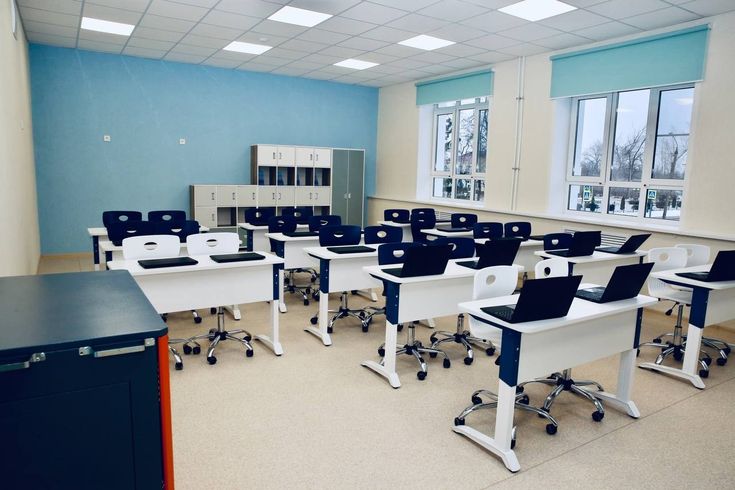
Introduction to American Schools in Moscow
American schools in Moscow provide a unique and diverse educational experience for students residing in Russia.
These institutions cater to the expatriate community and Russians seeking an international education.
Established to deliver an American-style curriculum, these schools emphasise a comprehensive educational approach that promotes critical thinking and global citizenship.
The Anglo-American School of Moscow is one of the prominent examples of such institutions, offering programmes from kindergarten to high school.
With a strong focus on the English language, American schools in Moscow facilitate a smooth transition for students either relocating from the United States or preparing to continue their studies abroad.
The institutions are known for their high academic standards, varied extracurricular activities, and commitment to fostering a supportive community for both students and parents.
Despite the geopolitical complexities between Russia and the United States, these schools have managed to maintain a high level of educational integrity and cultural exchange.
Parents considering enrolling their children in American schools in Moscow often cite the excellent academic value, the opportunity for children to be part of a multicultural environment, and the ability to earn international qualifications that are widely recognised worldwide.
Overall, American schools in Moscow offer a valuable blend of academic rigour and cultural diversity, preparing students for a variety of future academic and professional paths.
Overview of the Anglo-American School of Moscow
The Anglo-American School of Moscow stands as a prominent example of American schools in Moscow, providing education for expatriate families and Russian nationals alike.
Founded in 1949, the school has established a reputation for academic excellence and cultural exchange.
It is strategically situated in Moscow, making it accessible to the international community residing in the Russian capital.
The school offers a comprehensive curriculum that integrates American educational standards with international perspectives.
This includes programmes for various age groups, from primary education through to high school, ensuring a well-rounded academic experience.
The Anglo-American School of Moscow is notable for its diverse student body, which encompasses over 60 nationalities, providing a unique opportunity for cultural interaction and global understanding.
This diversity is supported by the school’s commitment to fostering an inclusive environment, where different perspectives are respected and valued.
In terms of facilities, the Anglo-American School of Moscow is equipped with state-of-the-art resources that support a wide array of extracurricular activities and advanced learning opportunities.
These facilities include modern science labs, technology centres, and extensive sports amenities, which are instrumental in offering students a balanced educational experience.
The school’s faculty is composed of experienced educators from various international backgrounds, committed to delivering high-quality education and preparing students for higher education both in the United States and worldwide.
This emphasis on educational excellence is reflected in the school’s consistently strong academic outcomes and its graduates’ successful admissions to prestigious universities globally.
Overall, the Anglo-American School of Moscow plays a crucial role in the landscape of American schools in Moscow, providing an educational bridge between the Western world and Russia, and facilitating a productive exchange of ideas and cultural values.
Educational Opportunities and Curriculum
American schools in Moscow provide a unique and comprehensive educational experience, leveraging a diverse international curriculum designed to meet the needs of expatriate families and local students seeking an American-style education.
These institutions often offer a blend of the American curriculum with elements that reflect the diverse, multicultural background of their student population.
This international approach ensures that students are not only prepared for further study in universities globally but are also sensitive to cultural nuances and international perspectives.
One of the hallmarks of American schools in Moscow is their emphasis on a liberal arts education.
This approach allows students to gain a well-rounded academic experience, encouraging critical thinking, creativity, and problem-solving.
Courses typically span a wide range of subjects, including humanities, sciences, mathematics, and arts, ensuring that students can explore a variety of interests and talents.
The curriculum in American schools in Moscow may also incorporate Advanced Placement (AP) courses, which provide students with the opportunity to earn college credit while still in high school.
AP courses are designed to challenge students with a rigorous academic workload that prepares them for the demands of university study.
In addition to AP courses, many American schools in Moscow offer the International Baccalaureate (IB) programme.
The IB curriculum is globally recognised and respected for its high academic standards, focusing on educating the whole child through a cross-disciplinary approach.
This allows students to develop skills in research, independent learning, and global understanding.
American schools in Moscow also place significant importance on extracurricular activities, offering a wide array of options from sports to music and theatre, facilitating the development of well-rounded individuals who can balance academics with personal growth and leadership skills.
Students are encouraged to participate in these activities, fostering a sense of community and teamwork.
Furthermore, the schools often integrate technology into the learning environment, utilising the latest educational tools to enhance the learning experience.
This prepares students for the modern digital world, ensuring they are technologically savvy and capable of thriving in a fast-paced, ever-evolving global economy.
In conclusion, the educational opportunities and curriculum at American schools in Moscow are designed to deliver a holistic and challenging educational experience.
This prepares students for success, not only in academia but also in their future professional endeavours.
By combining rigorous academics with cultural and extracurricular experiences, these schools aim to develop globally minded, knowledgeable, and principled individuals.

Challenges Faced by American Schools in Russia
American schools in Moscow encounter a unique set of challenges that influence their operation and educational delivery.
As international institutions, they must navigate the complexities of operating within a foreign educational landscape while maintaining the standards and expectations of American curricula.
Political tensions between the United States and Russia are a significant hurdle for American schools in Moscow.
These tensions can lead to heightened scrutiny and regulatory challenges that complicate day-to-day operations.
The geopolitical climate often results in strict government policies that can affect enrolment numbers, as diplomatic strains impact the mobility and decisions of expatriate families seeking an American education for their children.
Additionally, American schools in Moscow face the challenge of integration within the local community.
Balancing the preservation of American cultural values with the need for local cultural sensitivity requires thoughtful strategising from school administrators.
This necessitates a carefully curated curriculum that respects Russian customs while ensuring students receive a comprehensive American education.
It also extends to hiring practices, where schools must employ a blend of international and local staff to meet both educational and regulatory standards.
Financial sustainability is another concern as American schools often rely on tuition fees, which can fluctuate with the expatriate population’s stability.
Given the economic uncertainties influenced by international relations, schools must remain adaptable to changes in funding sources and cost structures.
A fluctuating student base requires a flexible financial model that can accommodate varying levels of enrolment without compromising the quality of education offered.
Furthermore, American schools in Moscow have to address language and cultural barriers faced by both students and their families.
This challenge impacts not only classroom communication but also the broader school community engagement.
Comprehensive support systems, such as language assistance programmes and cultural orientation initiatives, are essential to foster inclusion and facilitate a smoother transition for international students.
In conclusion, the challenges faced by American schools in Russia are manifold, encompassing political, cultural, and financial realms.
These institutions must navigate a complex landscape that demands diplomatic acumen, cultural awareness, and financial ingenuity to deliver a robust education that remains true to American values while respecting the local context.
Through strategic planning and flexible adaptation, American schools in Moscow continue to provide valuable educational opportunities despite these challenges.
The Political Climate and Its Impact on Education
The political climate in Russia significantly impacts the operation and educational mandate of American schools in Moscow.
American schools in Moscow often find themselves navigating a complex sociopolitical landscape that can affect their institutional stability and educational delivery.
As geopolitical tensions rise, these schools face unique challenges that are deeply tied to international relations and diplomatic ties.
One primary concern is the imposition of sanctions and political policies that can influence the availability of resources necessary for school operations.
These policies may lead to shortages of educational materials sourced from abroad, impacting the overall learning quality.
In addition, heightened scrutiny and increased regulations by Russian authorities on foreign institutions can complicate operational procedures.
American schools in Moscow must adhere to Russian laws while maintaining their educational ethos, which creates a delicate balance between compliance and mission fidelity.
The political situation can also affect staffing, as visa restrictions and diplomatic disagreements might limit the ability of schools to recruit and retain qualified foreign teachers.
Consequently, this can impact the diversity and quality of education that schools strive to offer.
Furthermore, the political narrative surrounding American institutions in Russia can shape public perception and parental choice, impacting enrolment numbers and school funding.
Parents may express concerns over the safety and political neutrality of the education their children receive, influencing their decision-making process.
Lastly, the interplay between politics and education in Moscow showcases the broader implications of how international schools serve as cultural and educational bridges despite geopolitical challenges.
In summary, the political climate in Russia has profound implications for the operation, staffing, and perception of American schools in Moscow, requiring these institutions to skilfully navigate both educational priorities and diplomatic intricacies.
Personal Stories: Experiences of Students and Teachers
American schools in Moscow offer unique and transformative experiences for both students and teachers, setting them apart from traditional educational environments.
These narratives highlight the distinct cultural and educational dynamics at play.
For students, attending American schools in Moscow provides an opportunity to immerse themselves in an international community while receiving a high-calibre education.
This environment fosters a sense of global citizenship where students learn alongside peers from diverse backgrounds.
The curriculum often incorporates international perspectives, making lessons not just about academics but also about understanding and adapting to different cultures and viewpoints.
Students gain first-hand experiences that help them appreciate the complexities of the global society they are a part of.
Teachers at these American schools face both challenges and rewards.
They are tasked with delivering an education that meets American standards while also respecting the local context and regulations.
This requires adaptability and an open-minded approach, as educators often need to modify teaching methods to cater to the diverse learning styles of their students.
Elinor Harty’s accounts, for instance, provide insights into the professional journeys of teachers who navigate the complexities of teaching in a foreign country.
In addition, teachers have the opportunity to be cultural ambassadors.
They contribute to the cultural exchange by sharing American customs and traditions with their students, thus fostering a mutual understanding.
This role is vital for building bridges between different cultures and promoting peace and collaboration.
These personal stories reveal the transformative power of education in such a setting, showing how American schools in Moscow serve as a microcosm of global interaction.
While challenges exist, the resilience and innovation displayed by both students and teachers reflect the enduring impact of these institutions.
The success stories of alumni who have thrived due to their education at American schools in Moscow further underscore the value of this unique educational opportunity.
The Role of International Schools in Cultural Exchange
International schools, including American schools in Moscow, play a crucial role in fostering cultural exchange.
These institutions serve as bridges between diverse cultures by bringing together students and educators from various backgrounds.
The presence of American schools in Moscow, such as the Anglo-American School, exemplifies how educational environments can cultivate understanding and camaraderie among different nationalities.
As students from around the world attend these schools, they are exposed to American educational principles while also sharing and celebrating their own cultures.
This blend of cultural diversity enriches the educational experience, allowing students to gain a broader perspective of the world.
American schools in Moscow, by integrating local and international students, encourage dialogue and intercultural communication, which are essential skills in our interconnected world.
Such interaction enhances students’ ability to appreciate the richness of global diversity and prepares them for future roles as global citizens.
Additionally, the curriculum in these international schools often includes subjects that emphasise global awareness and historical context, which aligns with developing a comprehensive worldview.
American schools in Moscow not only educate students academically but also provide an environment where cultural exchange is a natural and integral part of the learning experience.
This makes them invaluable in today’s globalised society, where understanding and cooperation between cultures are more important than ever.
Conclusion: The Future of American Schools in Moscow
The future of American schools in Moscow is intriguing yet uncertain, driven by both evolving educational needs and shifting political landscapes.
These institutions, known for providing high-quality education, face a dynamic environment shaped by international relations and cultural interactions.
American schools in Moscow have long served as a bridge for cultural exchange, simultaneously delivering American-style education and fostering global awareness among students.
Despite the challenges, the adaptability and resilience of these schools signify their steadfast commitment to their mission.
Current geopolitical tensions inevitably impact the operational aspects of American schools in Moscow, influencing everything from regulatory compliance to student demographics.
Yet, the demand for an international education persists, as parents continue to seek options that provide their children with the skills and mindsets necessary to navigate a globalised world.
To thrive in the future, American schools in Moscow must continue to innovate and ensure that their educational offerings remain relevant and attractive to both expatriate families and local Russians seeking a comprehensive international education.
Collaboration with local educational authorities and an increasing focus on a multicultural curriculum could enhance their appeal and sustainability.
In conclusion, while the path forward is complex, American schools in Moscow have a historical legacy of overcoming adversity and adapting to new realities.
Their continued success will depend on their ability to balance educational excellence with the realities of an ever-changing political and cultural landscape.
