



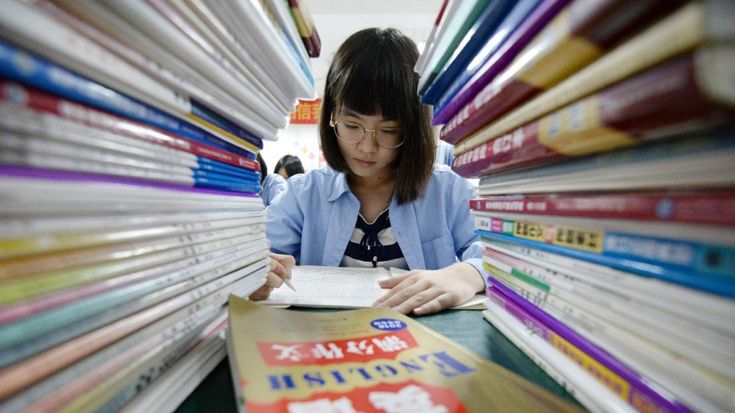
Introduction to Chinese International Schools
Chinese international schools have emerged as dynamic hubs for fostering a global educational experience, seamlessly blending Eastern and Western pedagogies.
With an increasing demand for bilingual proficiency and intercultural competencies, these schools cater to both local and expatriate families, providing a robust educational framework.
Chinese international schools are uniquely positioned to offer Mandarin immersion programmes, enhancing language proficiency and student agency.
Families are drawn to the comprehensive approach these institutions offer, which emphasises not only academic excellence but also emotional and social intelligence.
The focus on well-being, personalised learning, and sustainability is evident, reflecting a commitment to developing well-rounded global citizens.
In recent years, the growth of international schools in China has been propelled by a societal shift towards lifelong learning and a desire for learners to flourish in an increasingly interconnected world.
Thomas Keith Independent School, an online British institution, acknowledges the critical role these schools play in equipping students with the knowledge and skills necessary to thrive in diverse environments.
The integration of technology in classrooms further empowers students, providing greater opportunities for tailored and active learning experiences.
Chinese international schools are not just educational venues but platforms for students to engage with a future-oriented mindset, leveraging their passions and strengths in a supportive educational setting.
Such schools actively promote sustainability by encouraging students to become responsible custodians of the environment, nurturing their natural curiosity and commitment to positive social impact.
Ultimately, Chinese international schools continue to champion a holistic approach to education that aligns with modern educational demands, preparing students for the challenges and opportunities of the 21st century.
Well-being and Personalised Learning
Chinese international schools have increasingly prioritised student well-being and personalised learning experiences as fundamental components of the educational journey.
In the dynamic environment of international education, well-being plays a crucial role in ensuring that students not only excel academically but also flourish socially and emotionally.
The emphasis on well-being in Chinese international schools is evident through initiatives that promote a balanced lifestyle, integrating physical, social, and emotional health.
Schools aim to empower students to become responsible custodians of their well-being, harnessing technology and providing resources that support their journey.
Personalised learning in Chinese international schools tailors educational experiences to meet individual student needs and passions.
This approach leverages the power of technology to offer tailored educational plans, thereby equipping students with the skills required for lifelong learning.
By adopting personalised learning strategies, Chinese international schools provide students with a greater sense of ownership over their education.
This sense of ownership motivates students to actively engage with the curriculum, encouraging curiosity and fostering a natural desire to learn.
Furthermore, personalised learning in these schools is designed to recognise and build upon the strengths of each student, ensuring that educational objectives align with individual learning styles and proficiencies.
Chinese international schools are committed to creating environments where students’ voices are heard, offering them choice and agency in their educational experiences.
Such empowerment is achieved through flexible curriculum designs that adapt to diverse learning needs and foster student leadership.
In conclusion, the focus on well-being and personalised learning within Chinese international schools creates an educational framework that not only supports academic excellence but also nurtures holistic development.
The integration of these elements serves to engage students, providing them with a formidable foundation for success in an ever-evolving global landscape.

Sustainability and Student Agency
In the context of Chinese international schools, sustainability and student agency are increasingly prominent aspects of educational philosophy and practice.
Sustainability is not merely a buzzword but a vital component of curriculum and infrastructure within these schools.
Many Chinese international schools are committed to creating a sustainable future by integrating eco-friendly practices both in and out of the classroom.
Students are taught to become responsible custodians of the natural environment, instilling an appreciation and respect for natural resources.
This education on sustainability also involves practical applications, such as the promotion of recycling, the energising of renewable usage, and the fostering of green initiatives within the school community.
These practices serve not only as lessons in responsibility but also equip students with skills and knowledge that are increasingly vital in today’s world.
Within these schools, student agency is encouraged through a framework that motivates active participation in learning processes.
Students are empowered to take ownership of their educational journeys, which fosters a greater sense of responsibility and engagement.
The empowerment of student voice and choice is pivotal, enabling learners to tailor their educational experiences to suit their passions and aspirations.
Such an approach helps build leadership skills, critical thinking, and problem-solving abilities, while also considering social and emotional aspects of education.
Alongside personalised learning opportunities, students in Chinese international schools are encouraged to think critically and creatively, leveraging their strengths to take action on issues they care about.
The collaboration between sustainability and student agency in the ethos of Chinese international schools provides learners with opportunities to practice leadership and social responsibility actively.
This integration prepares students not only for academic success but also for lifelong contributions to society.
Ultimately, this holistic approach ensures that Chinese international schools are developing well-rounded individuals prepared to champion sustainability and enact positive change.
Interculturalism and Language Proficiency
Chinese international schools play a pivotal role in fostering interculturalism and language proficiency among students.
Interculturalism in education refers to the inclusion and respect for diverse cultures, ultimately preparing students for a globalised world.
In Chinese international schools, this concept is strongly emphasised through a Mandarin immersion programme that motivates students to engage deeply with both the language and culture of China.
Such immersion programmes allow students not only to learn Mandarin with proficiency but also to experience aspects of the culture firsthand.
Equipped with this knowledge, students develop a more profound intercultural understanding, which is crucial in today’s interconnected society.
Moreover, the emphasis on bilingual education in Chinese international schools equips students with the necessary language skills to thrive in multilingual environments.
Research indicates that students who engage in language immersion programmes often outpace their monolingual peers in overall academic achievement.
Interculturalism further instils a sense of agency among students, empowering them to think critically and communicate effectively across cultural lines.
These schools serve as a platform for integrating students from diverse backgrounds, fostering an environment where English and Mandarin are used interchangeably.
Beyond language proficiency, these schools offer a holistic education that helps build a greater sense of ownership in learning.
Furthermore, international schools in China are frequently championing initiatives that allow students to share their cultural backgrounds, creating a supportive environment for all.
In this way, Chinese international schools facilitate a natural, inclusive atmosphere where multiple languages and perspectives are not just accepted, but celebrated.
This commitment to interculturalism and language proficiency ensures that students are well-equipped to navigate and contribute positively to the increasingly interconnected global landscape.
The Role of Technology in Education
Technology has become an indispensable tool in modern education, and its role is particularly significant in Chinese international schools.
These institutions leverage the power of technology to enhance learning experiences and equip students with the necessary skills for the future.
In the context of Chinese international schools, technology offers a fantastic opportunity to personalise learning, catering to the unique strengths and needs of each student.
By integrating educational technology, schools can tailor instructional materials and methods to align with individual student interests and learning styles.
This personalised approach not only boosts student engagement but also fosters a greater sense of ownership over their educational journey.
Moreover, technology serves as a bridge for intercultural learning and communication, enabling students from diverse backgrounds to collaborate across digital platforms.
For instance, tools like video conferencing and collaborative applications allow students in Chinese international schools to interact with peers worldwide, enhancing their global perspective and intercultural competence.
Furthermore, technology empowers educators to innovate pedagogical practices and provides them with resources to design interactive and dynamic curricula.
Digital tools enable teachers to assess student performance more effectively, offering insights that inform instructional strategies and academic interventions.
In this light, the utilisation of technology within Chinese international schools not only promotes academic proficiency but also prepares students for a lifelong journey of learning.
Overall, the strategic implementation of technology in education champions a sustainable and future-ready learning environment that aligns with the evolving demands of the global educational landscape.
Theatre and Arts in Chinese International Schools
Chinese international schools increasingly recognise the integral role of theatre and the arts in fostering well-rounded education.
By incorporating performing arts into their curricula, these schools aim to equip students with essential social and emotional skills.
The emphasis on theatre and arts within Chinese international schools reflects a broader educational philosophy that values holistic development.
At the heart of this philosophy is the recognition of the arts as a powerful tool for enhancing creativity, empathy, and communication.
Theatre, in particular, provides students with a platform to explore self-expression and build confidence.
Through stage performances and productions, students are encouraged to think critically and collaborate, fostering a greater sense of ownership over their learning.
The arts not only engage students creatively but also promote intercultural understanding.
With China’s diverse cultural landscape, theatre and arts programs often integrate aspects of traditional Chinese culture as well as international influences.
This interculturalism enriches students’ educational experiences and prepares them for global citizenship.
Moreover, the inclusion of theatre and the arts in Chinese international schools aligns with the growing demand for personalised learning.
Schools adapt these programs to meet the varied interests and strengths of their students.
Such tailoring offers students the opportunity to pursue their passions while developing lifelong skills.
For example, students interested in leadership roles may take on responsibilities as directors or stage managers, equipping them with invaluable experience.
In summary, the theatre and arts within Chinese international schools are vital in nurturing creativity and fostering intercultural awareness.
These programs champion a holistic approach to education, ensuring that students are not only academically proficient but also culturally and socially capable.
As part of this educational landscape, Chinese international schools provide a platform for students to flourish in an ever-evolving global framework.
Conclusion: The Future of Chinese International Schools
Chinese international schools are poised to play a significant role in the global educational landscape.
The future of these institutions looks promising as they continue to evolve and adapt to the changing needs of students and society.
With an increased focus on personalising learning, embracing cultural diversity, and integrating cutting-edge technology, Chinese international schools are setting new standards in educational excellence.
These schools are uniquely positioned to prepare students for a globalised world, equipping them with essential skills such as intercultural understanding and language proficiency.
As sustainability becomes a crucial component of educational agendas worldwide, Chinese international schools are leading initiatives to foster responsible environmental stewardship among students.
Additionally, the emphasis on student agency ensures that learners are active participants in their educational journey, thereby fostering a greater sense of ownership and motivation.
In conclusion, the future of Chinese international schools is marked by innovation, inclusivity, and a commitment to nurturing the leaders of tomorrow.
The ongoing developments within these schools represent not just a shift in educational practices but also an opportunity to influence future generations positively.
As these institutions continue to grow and innovate, they will undoubtedly remain pivotal in shaping the future of global education.
