



Introduction to International Schools in Germany
International schools in Germany offer a unique educational experience, bridging global opportunities with local culture.
These schools are renowned for providing a world-class education that aligns with international standards, often following curricula such as the International Baccalaureate (IB), the British curriculum, or the American system.
Germany hosts a diverse array of international schools, with major cities like Munich, Frankfurt, and Berlin being home to some of the most recognised institutions.
Families moving to Germany often consider international schools for their flexibility and the opportunity for children to learn in an environment that prepares them for a global society.
One of the primary appeals of international schools in Germany is their strong emphasis on teaching in English, which positions students for success in the international arena.
Parents find value in the holistic approach these schools take, balancing rigorous academics with extracurricular activities that promote personal growth and social skills.
Another significant aspect of international schools in Germany is the diverse community they cultivate.
These schools attract families from various cultural backgrounds, fostering a sense of community and understanding among students.
The opportunity to interact with peers from all over the world instils in students a greater appreciation for diversity and global perspectives.
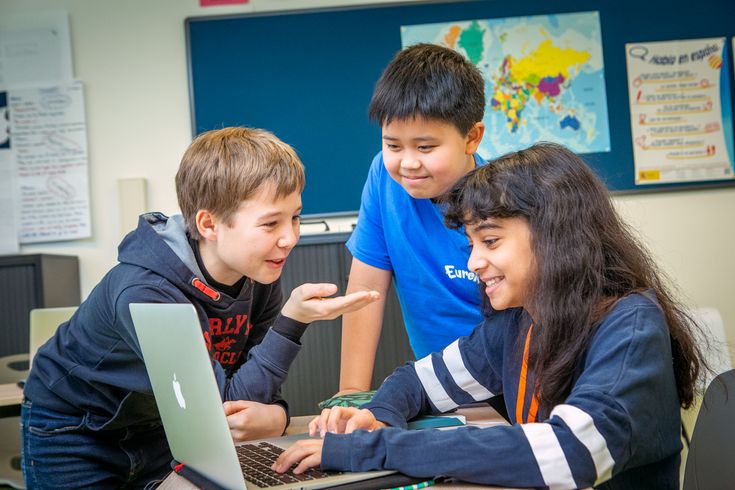
The integration of digital learning within these institutions further enhances the educational experience, allowing students to engage with technology essential for the 21st century.
Many international schools in Germany have state-of-the-art campuses equipped to support both traditional and digital forms of learning, facilitating a modern educational environment.
In conclusion, international schools in Germany offer an enriching educational ecosystem that connects students to a world of opportunities.
Parents seeking a global education for their children will find these schools to be a nurturing and challenging environment that encourages academic excellence and personal development.
Opportunities and Benefits of International Education
International schools in Germany stand out as exemplary institutions providing students with unparalleled educational opportunities and benefits.
The presence of international schools in Germany has created a landscape where students can explore diverse cultures and languages, which contributes significantly to their global outlook.
A critical advantage of these schools is the provision of a multilingual environment that is designed to enhance students’ language skills, immersing them in a rich tapestry of linguistic diversity.
In international schools, children can learn from classmates who hail from various parts of the world, broadening their understanding and appreciation of different cultures.
This exposure is essential in instilling a sense of global citizenship among the students.
International schools often follow prestigious curricula such as the International Baccalaureate (IB) or British A-Levels, which are recognised for their rigorous academic structure.
This ensures that students receive a high-quality education that equips them with the skills necessary for higher education, wherever they choose to pursue it.
In addition to academics, these schools focus heavily on extracurricular activities, affording students the opportunity to develop talents in sports, arts, and leadership.
This holistic approach to education ensures that students leave school not only academically proficient but also well-rounded individuals.
The community within international schools is typically very supportive, consisting of teachers, parents, and students who value multiculturalism and inclusivity.
For expatriate families, international schools in Germany offer a sense of continuity in education, especially for those moving from one country to another.
They provide a stable curriculum that can be recognised globally, minimising disruption in the educational journey of expatriate children.
Furthermore, the friendly campus environments are designed to help children quickly acclimate to new surroundings, aided by a community of peers who are likely experiencing similar transitions.
The digital and social media infrastructure within these schools is also noteworthy.
Students are often allowed to engage with cutting-edge technology, preparing them for the digital realities of the modern world.
International schools in Germany often provide platforms that connect students to social initiatives, both locally and internationally, fostering a sense of community involvement and social responsibility.
In conclusion, the opportunities and benefits presented by international schools in Germany are extensive, making them an exceptional choice for families seeking a global educational perspective.
Overview of Prominent International Schools
International schools in Germany are renowned for offering exceptional education and fostering a global perspective among students.
These schools, which include a mix of British, American, and other international curricula, are spread across major cities like Berlin, Munich, and Frankfurt, each contributing uniquely to the academic landscape.
Frankfurt International School, for instance, stands out not only as one of the largest in the country but also for its impressive campus that supports a diverse community of learners.
Emphasising IB (International Baccalaureate) programmes, this school prioritises creating a rich educational environment that encourages critical thinking and global citizenship.
Furthermore, the Bavarian International School in Munich is another esteemed institution known for its robust academic offerings and strong community values.
This school places particular importance on preparing students for higher education through the IB Diploma Programme, nurturing students’ academic and personal growth.
BIS Munich integrates innovative teaching with a dynamic learning environment, fostering global recognition and excitement for learning among students.
When exploring international schools in Germany, one must also consider the Berlin Brandenburg International School.
Known for its excellent bilingual programmes, the school connects students from diverse backgrounds, promoting a strong international ethos and a culture of inclusivity.
Additionally, Bonn International School offers a bilingual curriculum catering to early learners up to the IB Diploma, with a focus on innovation and digital learning that enhances educational opportunities for its students.
This network of international schools in Germany, along with others, embodies a commitment to providing world-class education.
They offer varied opportunities that extend beyond traditional academics, shaping students into well-rounded individuals ready to face global challenges.
At Thomas Keith Independent School, as an online British institution, we share the ethos of fostering an inclusive and holistic educational experience, emphasising values such as community, inspiration, and a love for lifelong learning.

Curriculum and Programs Offered
International schools in Germany are renowned for providing a diverse and comprehensive curriculum that is designed to cater to the educational needs of students from different cultural backgrounds.
The curriculum in these institutions often includes a combination of local, national, and international educational standards, ensuring a robust and well-rounded academic experience.
One of the primary offerings in international schools in Germany is the International Baccalaureate (IB) programme, which is highly regarded for its emphasis on critical thinking, cross-cultural understanding, and independent research skills.
In addition to the IB, many schools also offer the British curriculum, the American curriculum, and other international certification programs, which allow for a high degree of flexibility depending on the future aspirations and educational paths of their students.
This diverse curriculum structure not only provides students with a strong academic foundation but also prepares them for higher education opportunities across the globe.
Another critical aspect of international schools in Germany is the emphasis on language learning.
Given the global nature of their student body, these schools offer extensive language programs, including German, English, and often several other foreign languages, fostering a multilingual environment that enhances students’ global competence.
Furthermore, international schools in Germany enhance their curriculum with a variety of extracurricular activities aimed at developing social skills, leadership, and community engagement.
From arts and music to sports and digital media, these programs play a significant role in nurturing well-rounded individuals.
In conclusion, the curriculum and programs offered by international schools in Germany not only meet high academic standards but also provide enriching life skills, making them a compelling option for students looking for a global education.
Life and Community at International Schools
Life at international schools in Germany offers a unique and enriching experience, fostering a diverse community that is unmatched in many educational environments.
International schools in Germany are known for their vibrant social environments.
They connect students from different backgrounds, creating a global community that values diversity and cultural exchange.
This strong sense of community is central to the life of students and their families.
One of the key features of international schools in Germany is their commitment to promoting a sense of global citizenship.
Students are encouraged to engage in social activities that highlight international awareness and understanding.
This is often achieved through various school events, exhibitions, and cultural programs that celebrate the rich diversity within the student body.
Parents play an integral role in the international school community as well.
Through active participation and collaboration with teachers and school administrators, parents help shape the supportive environment that benefits their children’s learning experience.
The partnership between parents and schools strengthens the school community and promotes an inclusive environment.
International schools also create opportunities for students to connect beyond the classroom through extracurricular activities.
These may include sports, arts, and clubs that cater to a wide range of interests.
Such activities encourage teamwork, leadership, and social skills, contributing significantly to students’ holistic development.
Additionally, the digital learning environment in international schools in Germany facilitates connections between students, parents, and teachers.
Digital platforms and social media are commonly used to foster communication and collaboration.
They serve as channels for sharing important information and connecting with the larger global community.
In conclusion, life and community at international schools in Germany are defined by diversity, cultural exchange, and inclusivity.
These schools provide a supportive environment that nurtures personal growth and global-mindedness, preparing students for success in an increasingly interconnected world.
Digital Learning and Technological Integration
Digital learning and technological integration have become vital components in the educational landscape, particularly within international schools in Germany.
These schools leverage cutting-edge technologies to enhance educational experiences, providing students with the skills they need to thrive in a digitised world.
International schools in Germany are at the forefront of integrating technology into the curriculum, recognising the importance of bridging traditional education with modern digital tools.
At Thomas Keith Independent School, for example, digital learning is not merely an add-on but central to the curriculum, allowing students to explore and understand subjects deeply through interactive media and digital platforms.
Video tutorials, online resources, and virtual classrooms are now staples in the educational experience, enabling students to access a vast array of learning materials beyond the confines of the traditional classroom.
This integration is not just about utilising technology for the sake of innovation but enhancing students’ opportunities to engage with learning materials in new and exciting ways.
Moreover, a strong emphasis is placed on critical digital skills such as digital literacy, coding, and online research.
These competencies are essential in today’s global economy and are carefully woven into the educational fabric of international schools in Germany.
The focus on digital learning also supports a personalised learning journey, where educational content can be tailored to match each student’s pace and style, ensuring that every student can achieve their full potential.
Technology in the classroom has been shown to foster collaboration and communication among students, helping them to develop essential social media skills and engage in projects that require teamwork and cooperation.
Furthermore, teachers are trained to use advanced educational technologies effectively, ensuring that digital tools are used not just for engagement but to drive deeper understanding and mastery of subjects.
International schools in Germany also prioritise digital safety and ethics, teaching students important guidelines about navigating the online world responsibly.
This holistic approach ensures that students are not only proficient in using technology but are also prepared to be responsible digital citizens.
The commitment to technological integration in international schools in Germany is evident through tangible outcomes like improved student achievements and enhanced learning experiences.
In conclusion, the integration of digital learning tools in international schools in Germany represents an exciting evolution in education.
It prepares students for the demands of the digital age, aligns with global educational standards, and ensures that they leave school equipped with critical skills for their future careers.
Parental Involvement and Support
Parental involvement is a cornerstone in the educational framework of international schools in Germany, significantly enhancing the academic and social experiences of students.
International schools in Germany actively encourage parents to participate in various aspects of school life, understanding that engaged parents contribute to a stronger and more vibrant school community.
This synergistic relationship between educators and parents is pivotal in fostering a supportive environment that nurtures student success and well-being.
In international schools in Germany, parental involvement often starts with open communication between the school and families.
Regular updates, parent-teacher meetings, and workshops are standard practices that ensure parents are kept informed about their children’s progress and school initiatives.
These interactions not only help parents stay connected but also empower them to support their children’s learning effectively at home.
Beyond the classroom, international schools in Germany encourage parental participation in extracurricular activities, school events, and community service projects.
Such involvement allows parents to contribute their skills and expertise, enriching the educational experience for all students.
It also fosters a sense of community and shared responsibility towards achieving the school’s educational goals.
Moreover, international schools in Germany often provide platforms for parental feedback, ensuring that the school environment continues to evolve to meet the needs of its diverse community.
Parent advisory councils and regular surveys are common methods used to gather insights and suggestions from parents.
This collaborative approach ensures that the schools remain responsive to the ever-changing educational landscape and parental expectations.
In conclusion, the support and involvement of parents are crucial components in the success of international schools in Germany.
By fostering open communication, encouraging participation, and welcoming feedback, these schools create a harmonious community that recognises and values the role of parents in the educational journey of their children.
This mutual collaboration ultimately strengthens the educational offerings and prepares students to thrive academically and socially.
Challenges and Considerations
When considering international schools in Germany, understanding the challenges and considerations is essential for parents and students alike.
International schools in Germany provide numerous opportunities but also come with unique challenges that must be carefully navigated.
One significant consideration is the cost.
International schools in Germany are often private institutions, and tuition fees can be substantial.
Parents must carefully evaluate their budget and financial commitments, understanding that these fees are typically higher than local schools.
Language barriers can also present a challenge.
While English is the primary medium of instruction in many international schools in Germany, younger students and parents may face difficulties if they are not proficient in German, particularly when engaging with the wider community or in non-academic settings.
Cultural adjustment is another factor to consider.
International schools are a melting pot of cultures, offering a diverse environment but also requiring adaptability from students and parents.
Overprotection and underprotection are considerations parents must balance, ensuring their child’s safety while encouraging independence and confidence in navigating this global community.
It’s also crucial to consider the impact on lifestyle and social opportunities.
International schools in Germany often have demanding academic programs, which might affect the students’ engagement in social and extracurricular activities.
This requires families to consider balancing academic pursuits with a healthy social life to ensure well-rounded development, a key aspect that schools like Thomas Keith Independent School emphasise.
Overall, while international schools in Germany offer a rich tapestry of educational offerings and global experiences, careful consideration of these challenges is crucial to maximising the potential benefits for students’ academic and personal growth.
Conclusion: The Future of International Education in Germany
The landscape of international schools in Germany is poised for continued growth and adaptation as globalisation deepens and educational needs evolve.
As an epicentre for international education, these institutions offer more than just academic excellence; they provide a multicultural environment that prepares students for a globalised world.
International schools in Germany are increasingly recognised for their innovative approaches to education that include integrated technology, personalised learning experiences, and a commitment to fostering global citizenship.
In the foreseeable future, international schools in Germany will continue to expand their influence, setting benchmarks for excellence and innovation.
The demand for international education is expected to rise, driven by the increasing mobility of families and a robust expatriate community.
As a result, the future of international education in Germany will not only focus on providing world-class curricula but also on nurturing the unique identities of its diverse student bodies.
In conclusion, institutions like Thomas Keith Independent School will remain pivotal in shaping the educational journeys of students who are part of an interconnected global community.
These schools will remain at the forefront, ensuring that students receive a comprehensive education that is both relevant and transformative in the modern world.
