





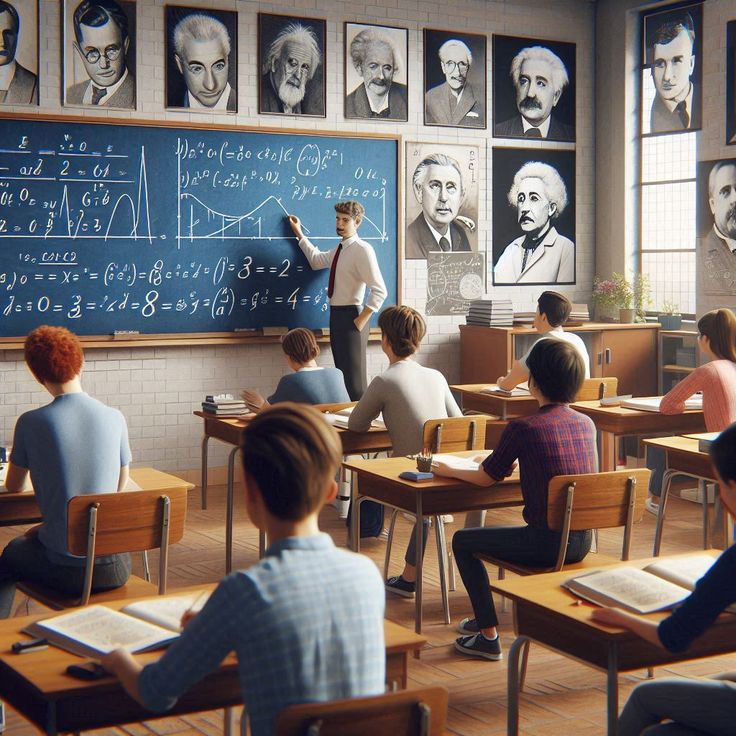
Introduction to Becoming a Secondary School Physics Teacher in the UK
To become a physics secondary school teacher UK, one must navigate a clear educational pathway involving key qualifications and professional development opportunities.
This career begins with acquiring the necessary academic credentials, followed by gaining practical experience through teacher training programmes.
Secondary education in the UK is an essential stage that shapes students’ understanding and appreciation of scientific subjects like physics.
As a prospective physics teacher, you play a crucial role in developing analytical and problem-solving skills among young learners.
Starting at the ground level, you’ll need to ensure you have strong performance in subjects related to physics, such as mathematics and general sciences, to build a robust foundational knowledge.
Enthusiasm for physics and an aptitude for explaining complex concepts are vital attributes for any aspiring teacher in this field.
Reflecting on how the UK’s educational framework supports secondary school physics education can be beneficial.
It is structured to promote interactive and engaging learning, encouraging students to explore their passion for physics through various educational initiatives.
Participation in enrichment programmes, such as masterclasses and taster sessions, can also enhance your subject matter expertise.
UK universities, renowned for their focus on educational excellence, offer postgraduate qualifications, such as the PGCE, specifically tailored to equip you with pedagogical skills and theoretical knowledge essential for teaching physics in secondary schools.
Moreover, attending events like Physics Taster Mornings or Online Masterclasses can further demonstrate your commitment to continuous learning and your dedication to keeping up with evolving educational strategies.
Should you seek to influence the next generation of scientists, engineers, and environmentalists, teaching physics at the secondary level provides a unique platform to achieve this, making a significant impact on students’ academic and career-oriented journeys.
Ultimately, becoming a physics teacher in the UK’s secondary school system is not only a fulfilling career choice, but also a meaningful contribution to students’ lives and societal progress, as it encourages scientific literacy and curiosity—essential elements in today’s rapidly advancing world.

Educational Pathways and Qualifications
Understanding the educational pathways and qualifications needed to become a physics secondary school teacher in the UK is crucial for aspiring educators.
In the UK, the journey to teaching physics at the secondary school level typically begins with a strong foundation in the subject itself.
Generally, prospective teachers are expected to have completed a related undergraduate degree in physics or a science-related field.
To be eligible for teaching, this degree often provides the necessary subject knowledge required to engage and educate secondary school students effectively.
Once a robust academic background is established, the next vital step is obtaining a Postgraduate Certificate in Education (PGCE) specialising in Secondary Education with Physics.
The PGCE is a pivotal qualification, providing not only the pedagogical skills necessary to teach effectively but also offering Qualified Teacher Status (QTS), which is essential for teaching in many UK schools.
Selection for a PGCE programme typically requires a degree in physics or a related discipline, coupled with GCSEs in Maths and English at grade C or above.
Universities such as Sunderland and Plymouth Marjon offer comprehensive PGCE courses that focus on developing both the theoretical and practical aspects of teaching physics.
These universities provide an immersive learning experience, incorporating school placements where prospective teachers can apply their knowledge in real classroom settings.
Furthermore, the application process for these programmes usually involves a demonstration of passion and commitment to teaching, often assessed through personal statements and interviews.
An understanding of physics principles, alongside the ability to communicate complex ideas in an accessible manner, is essential.
Additionally, continuous learning is encouraged through professional development courses and attending physics-specific events or masterclasses.
Institutions like the University of Oxford offer enriching physics events that nurture teaching skills and help maintain a connection with current scientific advancements.
Upon successful completion of the PGCE, new teachers must engage with continuous professional development to refine their teaching methods and stay updated with educational policies.
At Thomas Keith Independent School, we understand the importance of these pathways and qualifications.
Therefore, we offer resources and support to prospective physics teachers, ensuring they are well-prepared for a fulfilling career in shaping young minds in secondary schools across the UK.
The Role of PGCE in Physics Education
The role of the PGCE (Postgraduate Certificate in Education) is pivotal in equipping aspiring educators with the skills and knowledge required to teach physics at secondary schools throughout the UK.
For those aspiring to teach physics secondary school UK, the PGCE stands as a fundamental step in achieving Qualified Teacher Status (QTS), which is essential for teaching in state schools.
A PGCE in Physics Education typically entails a rigorous programme that integrates theoretical knowledge with practical teaching experience.
At Thomas Keith Independent School, we underscore the importance of such qualifications, as they ensure educators are thoroughly prepared to navigate the complexities of the physics curriculum.
One of the significant advantages of undertaking a PGCE is the balance it provides between academic study and hands-on experience.
Participants engage in modules that cover advanced physics concepts, educational theory, and contemporary teaching methodologies.
This ensures that graduates are not only proficient in their subject matter but also adept at delivering content in an engaging and accessible manner to secondary school students.
The PGCE also includes substantial placements in educational settings, offering invaluable experience in real classroom environments.
These placements allow prospective physics teachers to apply theoretical knowledge, develop classroom management skills, and adapt teaching methods to meet the diverse needs of students.
Moreover, the PGCE programme offers networking opportunities with peers, mentors, and professionals within the education sector.
This professional network is crucial for sharing resources, discussing educational challenges, and fostering continuous professional development, which is essential in the dynamic field of physics education in the UK.
At Thomas Keith Independent School, we appreciate the integral role that a PGCE plays in shaping competent and confident physics educators prepared to inspire the next generation of scientists.
By embracing both the academic and practical components of the PGCE, educators can effectively contribute to the advancement of physics secondary school education across the UK, driving both student interest and achievement in the subject.
University Programs and Resources
The path to teaching Physics in a secondary school in the UK often begins with enrolling in specialised university programs designed to equip prospective teachers with essential skills and knowledge.
These university programs play a critical role in shaping future physics educators who will inspire the next generation.
A variety of university programs across the UK offer degrees specifically geared towards educating students in Physics.
These programs typically combine rigorous coursework in physics content with educational theory.
Such programs ensure that graduates not only understand complex physics concepts but also how to effectively impart this knowledge to secondary school students.
Leading universities such as the University of Oxford and the University of Cambridge provide advanced Physics courses and resources that are highly beneficial for aspiring teachers.
These institutions often offer taster events and masterclasses, like Physics Taster Mornings, aimed at increasing a student’s engagement and passion for teaching.
Events such as these help students gain experience and insights into what it means to teach physics at the secondary school level.
Resources provided by universities frequently include access to cutting-edge research, digital libraries, and experienced faculty members who are leaders in their fields.
Prospective students should evaluate these resources when selecting a program, ensuring they have the necessary support structures in place for success.
The availability of online courses has also expanded access to quality physics education resources, making it easier for individuals to pursue teaching qualifications at their convenience.
At tailored programs offered by institutions like Thomas Keith Independent School, students can gain practical skills and academic knowledge that meet both current educational demands and anticipated future developments.
For those passionate about physics education, leveraging university programs and resources can substantially increase one’s aptitude and drive for teaching in a physics secondary school in the UK.
Engaging with Physics: Events and Masterclasses
Engagement in physics education within the physics secondary school UK landscape can be significantly enhanced through various events and masterclasses.
Participating in these interactive experiences not only boosts students’ interest in the subject but also deepens their understanding of complex concepts.
Secondary schools, including Thomas Keith Independent School, recognise the value of such engagement, offering events that make physics more accessible and appealing to young learners.
Masterclasses are instrumental in this educational journey, providing students with opportunities to explore physics beyond the standard curriculum.
These sessions often involve hands-on activities and problem-solving exercises that foster critical thinking and apply theoretical knowledge to practical scenarios.
Such immersive learning experiences are crucial in developing the skills necessary to succeed in future academic and professional endeavours.
Universities across the UK, such as the University of Oxford and University of Sunderland, frequently collaborate with secondary schools to host physics events.
These partnerships aim to inspire the next generation of physicists by exposing them to cutting-edge research and the latest advancements in the field.
Students who attend these events gain unique insights into potential career paths in physics, thereby increasing their motivation and ambition.
By integrating physics events and masterclasses into the physics secondary school UK curriculum, educators create a dynamic and stimulating learning environment.
These experiences not only ignite students’ passion for physics but also prepare them for higher education and beyond.
In summary, engaging with physics through events and masterclasses is a vital component of secondary education, helping to nurture informed and enthusiastic learners ready to tackle future challenges in the field of physics.
Practical Experience and Skill Development
In the context of physics secondary school UK education, practical experience and skill development form an essential component of effective teaching practise.
To excel as a physics teacher, it is crucial to have hands-on experience, not only in classroom management but also in conducting physics experiments and demonstrations.
Educational institutions, including physics secondary schools in the UK, place a strong emphasis on practical skills that allow students to better comprehend theoretical concepts through tangible experiences.
An integral aspect of preparing to become a physics teacher is gaining experience in a classroom setting.
This exposure can be achieved through teaching placements that are often a core part of educational pathways such as a PGCE (Postgraduate Certificate in Education).
Placements offer invaluable real-world teaching experience, allowing prospective teachers to apply their theoretical knowledge in practical scenarios.
These placements usually include classroom observations and active teaching sessions, where aspiring teachers can develop classroom management techniques and instructional skills while receiving feedback from experienced mentors.
Physics secondary school UK curricula often involve complex concepts that can be challenging for students to grasp without practical demonstrations.
Therefore, it is vital that teachers are adept at setting up and executing experiments that demonstrate key principles of physics.
A thorough understanding of laboratory equipment, safety procedures, and experimental protocols is essential for conducting effective physics classes.
Aspiring physics teachers should engage with resources such as university laboratories and educational workshops to refine their skills in this area.
Moreover, skill development for physics teachers in the physics secondary school UK system must extend beyond subject-specific competencies.
Strong communication skills, patience, and an aptitude for engaging students with diverse learning needs are essential.
Effective educators continually refine their teaching strategies and adapt lessons to stimulate curiosity and foster a deep understanding of physics.
Additionally, professional development opportunities such as workshops, seminars, and conferences can provide physics teachers with insights into the latest educational methodologies and technological advancements.
By continually enhancing their skills, teachers can ensure that they are equipped to deliver high-quality education and inspire the next generation of physicists.
In conclusion, practical experience and skill development are the bedrock of a successful teaching career within the physics secondary school UK framework.
Through dedicated practise, ongoing learning, and active participation in educational communities, aspiring physics teachers can cultivate the necessary skills to thrive in the classroom and make a lasting impact on their students’ educational journeys.
The Importance of Continuous Learning and Professional Development
In the ever-evolving landscape of education, particularly in the physics secondary school UK context, continuous learning and professional development are imperative for teachers to remain effective and engaging.
Staying current with advancements in physics and pedagogical strategies ensures that educators can deliver modern, relevant content to their students.
For a physics teacher in the UK, participating in professional development is not just a preference but a necessity.
The physics secondary school UK framework benefits significantly when teachers engage in ongoing learning, integrating new findings from the fields of science and technology into the curriculum.
Universities and educational organisations frequently offer courses and workshops aimed at expanding both content knowledge and teaching skills.
By engaging in these learning opportunities, teachers not only enhance their understanding of physics but also refine their teaching methodologies.
This continuous growth is vital in maintaining student interest and fostering a dynamic learning environment.
Masterclasses, particularly those focused on innovative educational strategies or cutting-edge physics research, offer valuable insights.
Events such as these also provide networking opportunities, allowing teachers to collaborate and exchange ideas with peers from various institutions.
Being part of a broader educational community can drive a deeper understanding and new approaches to teaching physics at the secondary school level.
Moreover, professional development addresses the challenges related to renewable energy and climate education, equipping teachers with the tools to educate students about contemporary environmental issues.
The integration of environmental science into physics lessons is becoming increasingly relevant, and teachers who pursue continuous learning can guide students more effectively in these areas.
In conclusion, for those involved in the physics secondary school UK sector, embracing lifelong learning and professional development is crucial.
It ensures that teachers remain informed, inspired, and capable of inspiring their students in turn.
By prioritising ongoing education, teachers can significantly contribute to the academic and personal development of their students, preparing them for future challenges.
Conclusion: Your Journey to Becoming a Physics Teacher
Embarking on the path to become a physics teacher at a secondary school in the UK is both a challenging and rewarding endeavour.
This journey requires a strong commitment to education and a passion for physics.
At Thomas Keith Independent School, we understand the intricacies involved in becoming an effective physics educator.
From the critical role of obtaining a PGCE qualification to engaging in continuous professional development, each step is essential.
The experience gained through university programs and the practical skills developed along the way enhance your capacity to teach physics effectively.
Continuous learning remains vital for adapting to new educational challenges.
Engaging with events and masterclasses further enrich your teaching toolbox, preparing you to inspire the next generation of students.
By following this comprehensive pathway, you are set to make a significant impact in the realm of physics secondary school education in the UK, nurturing curious minds and fostering a lifelong love for science.
