





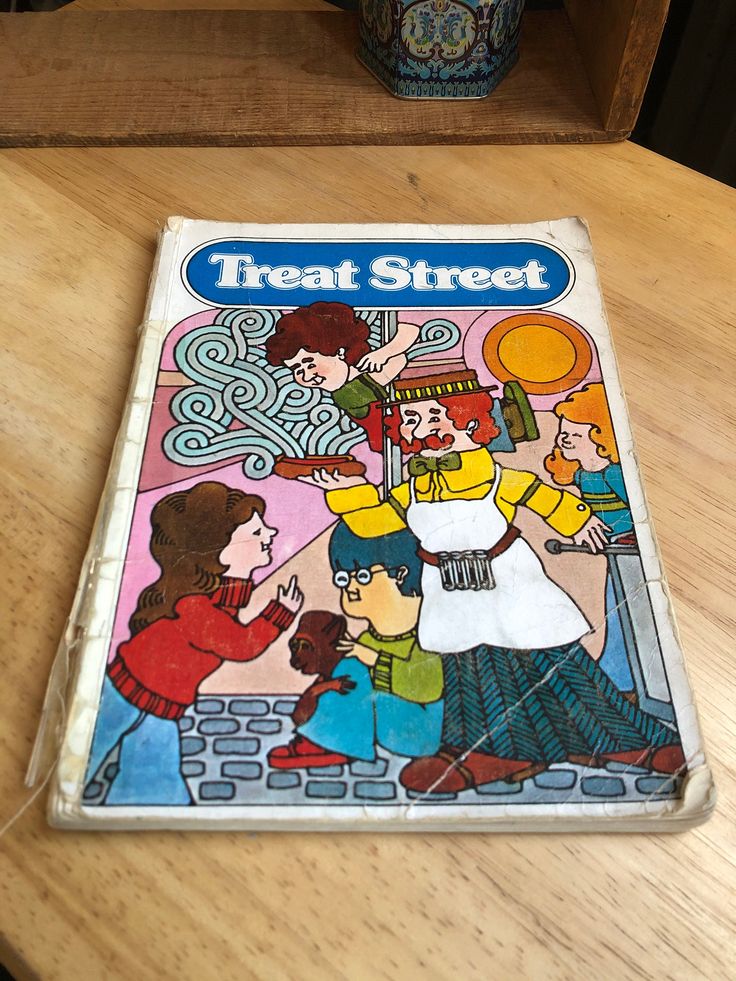
Introduction to 1970s UK Secondary School Reading
The study of secondary school reading books in the 1970s UK remains a rich subject that offers valuable insights into the educational practices of that era.
During the 1970s, the UK’s Secondary Education System placed a strong emphasis on classic literature, reflecting both the cultural and educational values of the time.
Authors such as Charles Dickens and William Shakespeare were staples in the curriculum, offering students a window into historical and thematic exploration.
Through texts like “Great Expectations” and “Macbeth,” literary analysis became a key component of the English Language and Literature syllabi.
Shakespeare’s plays, in particular, were instrumental in exploring complex themes such as power, love, and tragedy.
The curriculum of secondary school reading books 1in 970s UK also included modern classics, which allowed students to engage with contemporary themes and social issues.
Books such as Harper Lee’s To Kill a Mockingbird and George Orwell’s Animal Farm offered rich narratives that explored themes of racism, societal change, and moral challenges.
These reading choices were not merely academic exercises; they were carefully curated to foster critical thinking and cultural awareness among students.
Education in the 1970s faced challenges as well, including debates over the relevance of traditional content versus modern educational needs.
The growing diversity in the classroom required educators to adapt, balancing between classic texts and the inclusion of new, varied literary voices.
For Thomas Keith Independent School, understanding the evolution of secondary school reading in the 1970s UK provides valuable context for developing a dynamic and inclusive curriculum in today’s educational environment.
Emphasising both traditional and modern texts can help prepare our students to engage thoughtfully with the world, mirroring the rich literary heritage that has shaped educational practices for decades.
By revisiting the reading materials and strategies used during this transformative decade, we can gain insights into effective teaching methodologies and curricular development for future generations.

Popular Books in the 1970s Curriculum
The secondary school reading books in the 1970s UK reflected a diverse collection of literature that shaped the educational landscape of the era.
A wide selection of novels, plays, and poetry was aimed at engaging students while also exploring crucial societal themes.
Among the most influential titles in the 1970s curriculum were classic novels such as “To Kill a Mockingbird” by Harper Lee and “Lord of the Flies” by William Golding.
These books not only enhanced literary appreciation but also fostered discussions on themes like racism, social hierarchy, and human nature—central themes in 1970s education.
Shakespeare retained a strong presence in the curriculum, with plays like “Macbeth” and”Romeo and Juliet being staples in English classrooms.
These works not only highlighted the rich linguistic heritage of the English language but also delved into complex characters, power struggles, and themes of fate and ambition, offering students a profound understanding of human emotions and motivations.
Another significant inclusion was George Orwell’s “Animal Farm” and “1984,” which introduced students to dystopian narratives, encouraging deeper reflections on political ideologies and individual freedoms.
These novels were instrumental in developing critical thinking skills and understanding the sociopolitical contexts of the past and present.
The 1970s UK secondary school reading list also prioritised diverse voices, including Maya Angelou’s “I Know Why the Caged Bird Sings,” which provided personal insights into issues of identity, race, and social challenges faced by black communities.
Such additions to the curriculum were pivotal in broadening students’ perspectives and understanding of different cultural experiences.
Overall, the secondary school reading books from the 1970s UK were carefully curated to balance the appreciation of great classics with exposure to varied themes that resonated with young readers.
These selections ensured that the educational experience was not only literary but also reflective of broader social narratives, preparing students for a nuanced understanding of the world.
Influence of Classic Literature
The secondary school reading books of the 1970s in the UK had a profound influence on the educational landscape, particularly through the inclusion of classic literature.
Classic literature played a pivotal role in shaping the reading lists of the era, embedding timeless themes and moral questions that remain relevant in today’s curricula.
The inclusion of works by authors such as William Shakespeare, George Orwell, and Charles Dickens provided students with more than just an educational foundation; it offered insights into the human condition, societal structures, and the complexities of personal and political power.
William Shakespeare’s plays, such as “Macbeth” and “Romeo and Juliet,” were central to the secondary school reading books in the 1970s UK curricula.
These works not only introduced students to rich language and dramatic techniques but also explored themes of ambition, love, and tragedy that continue to resonate through time.
George Orwell’s Animal Farm and 1984 introduced students to the concept of dystopian societies, encouraging critical thought about authority, democracy, and the nature of freedom.
These texts remain crucial for developing analytical skills and understanding the broader implications of governance and societal control.
Charles Dickens’ works, like “Great Expectations”, provided a window into Victorian society, exposing students to issues of class, wealth, and morality.
The narrative complexities and character developments in Dickens’ novels taught students to appreciate nuanced storytelling and character arcs.
The secondary school reading books in the 1970s UK curriculum, therefore, not only honoured classical authors but also ensured that students were exposed to a diverse range of narratives and ideas.
This exposure fostered a generation of readers who were not only literate but also socially aware and capable of understanding complex literary and social concepts.
In conclusion, the influence of classic literature in the secondary school reading books in the 1970s UK was substantial, providing students with critical thinking skills and a deeper understanding of literature’s role in reflecting and challenging social norms.
These foundational texts continue to be celebrated and studied for their literary merit and their enduring relevance in discussing human experience and societal values.
The Role of Shakespeare in Education
Shakespeare’s works held a significant place in secondary school reading books in the 1970s UK, profoundly influencing the educational landscape.
His plays were not only staple texts but also served as educational tools that transcended mere reading assignments.
William Shakespeare’s enduring presence in the classroom was justified by the richness of language, universal themes, and complex characterisation found in his plays.
Classics such as “Romeo and Juliet,” “Macbeth,” and “Hamlet” were incorporated into the curriculum due to their exploration of timeless themes like power, ambition, love, and revenge.
These texts provided an opportunity for educators to introduce students to the nuances of human behaviour and social dynamics.
Moreover, Shakespeare’s works were instrumental in enhancing students’ understanding of the English language.
The complexity and beauty of his prose and poetry challenged students to expand their vocabulary and comprehend a diverse range of rhetorical devices.
This linguistic enrichment was viewed as vital in developing a deeper appreciation for literature.
The secondary school reading books of the 1970s UK used Shakespeare’s literature to encourage critical thinking and foster analytical skills.
Students were encouraged to engage with the text critically, exploring themes, character motivations, and the socio-political context of Elizabethan England.
Through assignments and discussions, students learned to articulate their interpretations and apply critical reasoning skills.
At Thomas Keith Independent School, we recognise that the works of William Shakespeare remain as relevant today as they were in the 1970s.
The timeless quality of his literature continues to captivate students and contribute to their intellectual growth, justifying the Bard’s perennial presence in educational syllabuses.
Shakespeare’s inclusion in secondary school reading books in the 1970s UK underscores the profound and lasting impact of classic literature in shaping a comprehensive educational framework.
Themes and Social Issues Explored
The secondary school reading books 1970s in the UK curriculum were rich with texts that delved into a variety of complex themes and social issues, providing students with not only a grasp of literature but also an understanding of the world around them.
A significant theme explored in the secondary school reading books in the 1970s UK was the struggle for identity and self-discovery.
Novels such as The Catcher in the Rye by J.D. Salinger and Jane Eyre by Charlotte Brontë challenged students to consider the intricacies of personal growth and the societal expectations placed upon young adults.
These texts encouraged readers to question norms and contemplate the broader social constructs of their time.
Another prevalent theme was the exploration of racism and prejudice, which was essential in the literature of this era.
Books like “T Kill a Mockingbird” by Harper Lee and The Adventures of Huckleberry Finn” by Mark Twain offered students valuable insights into the history and impact of racial inequality.
These stories prompted discussions on morality, justice, and the ongoing challenges within society to achieve true equality.
The secondary school reading books in the 1970s UK also frequently tackled themes of war and the human condition.
Texts such as All Quiet on the Western Front by Erich Maria Remarque and 184 by George Orwell invited students to explore the devastating effects of war and the societal implications of totalitarian regimes.
These narratives were more than just stories; they served as cautionary tales and reminders of the past, urging students to critically assess the world and the implications of political power.
Social issues such as poverty, class disparity, and family dynamics were also central to the curriculum.
Charles Dickens’s Great Expectations and John Steinbeck’s Of Mice and Men provide critiques of social stratification and the often unforgiving nature of economic hardship.
Through these texts, students were able to gain a deeper appreciation for the struggles of different social classes and develop empathy for those affected by socioeconomic challenges.
Overall, the themes and social issues explored in the secondary school reading books 1970s in the UK were diverse and impactful.
They not only enhanced students’ literary skills but also prepared them to be thoughtful, informed citizens capable of understanding and addressing the complexities of the modern world.
Teaching Methods and Literacy Strategies
The secondary school reading books of the 1970s UK curriculum played a significant role in shaping the literacy strategies and teaching methods employed during that period.
The instruction strategies of the time were heavily centred on phonics-based learning, which was essential for developing students’ reading skills.
Phonics, focusing on the relationship between letters and their sounds, was a vital component as it equipped students with the tools to decode words, enhancing their reading ability significantly.
In addition to phonics, educators also embraced the three-cueing system, although it was not without its controversies.
This method encouraged students to use meaning, structure, and visual cues to make sense of text, promoting a more comprehensive understanding.
While some educators supported this approach, arguing it enabled more holistic reading skills, others criticised it for potentially distracting from the primary focus on phonics.
Another prominent feature of literacy strategies in the 1970s was the integration of classic literature into the curriculum.
Books like To Kill a Mockingbird, 1984, and iAnmalarm were not just taught as literary texts but as vehicles to explore deeper social themes.
This approach trained students to think critically about the content they read, fostering higher-level comprehension skills.
The secondary school reading books in the 1970s UK setting also saw teachers adopting varied instructional styles to cater to different learning needs.
Some educators preferred direct instruction with a heavy focus on grammar and syntax, while others promoted a student-centred approach, allowing children to explore literature creatively within the classroom.
Furthermore, group reading sessions were implemented to encourage discussion and debate among students, thereby enhancing their understanding through peer learning.
This method also helped to address different cognitive levels within the classroom, ensuring students could learn at their own pace while engaging with the same material.
Ultimately, the teaching methods and literacy strategies of the 1970s were designed to equip students with foundational skills in reading and comprehension, acknowledging the diverse needs of learners within the educational landscape.
By integrating a combination of phonics and critical literary analysis, along with a diverse range of pedagogy styles, the secondary school reading books in the 1970s UK framework aimed to create skilled, thoughtful, and informed readers.
Challenges in Reading Education
The secondary school reading books of the 1970s UK curriculum presented various challenges in reading education, impacting both teaching methods and student engagement.
One of the significant challenges was the variance in students’ reading abilities across different grade levels.
This discrepancy made it difficult for educators to design a one-size-fits-all approach to teaching literature.
With classic texts like Shakespeare and Dickens forming a core part of the curriculum, students often struggled with the archaic language and complex themes inherent in these works.
The need to make these secondary school reading books, 1970s UK, relevant and engaging required innovative teaching strategies.
Another challenge was the limited diversity in the reading lists, which predominantly featured Western-centric literature.
This limitation often failed to reflect the growing multicultural demographic of British classrooms.
Students from diverse backgrounds found it challenging to connect with characters or scenarios that did not resonate with their own experiences.
The secondary school reading books in the 1970s UK framework had to evolve to include a broader range of perspectives and voices to ensure inclusivity.
Moreover, the teaching methods of the time heavily relied on rote memorisation and formal analysis, which could stifle students’ creativity and critical thinking skills.
Educators were often caught between the pressure to cover the prescribed texts thoroughly and the need to foster a genuine love for reading.
This pressure sometimes led to a transactional approach to literature, where the primary focus was on examination preparation rather than fostering a lifelong appreciation of books.
Adapting teaching methods to cater to varying literacy levels while maintaining curriculum standards requires a delicate balancing act.
These challenges highlighted the need for more adaptive pedagogical strategies, which would allow students to develop not just as readers but as thoughtful and critical thinkers.
In conclusion, the secondary school reading books of the 1970s UK faced challenges that forced educators and institutions to rethink traditional approaches to literature education.
By addressing these challenges, schools could better prepare students for a world that values diverse perspectives and critical engagement with text.
Conclusion: Legacy of 1970s Reading Lists
The secondary school reading books from the 1970s UK era continue to leave a significant legacy in modern education.
These books not only shaped the curriculum during their time but also influenced the way literature is taught today.
The selection of books, infused with rich themes and diverse narratives, provided students with the opportunity to explore complex characters and societal issues.
The impact of these reading lists extends beyond academics, having cultivated critical thinking and empathy among students.
Moreover, secondary school reading books from the 1970s UK contributed to a deeper appreciation of classic literature, enduring through generations.
As we reflect on these reading lists, it’s clear that they helped lay a foundational understanding of cultural and historical contexts in students’ lives.
This enduring influence demonstrates the timeless nature of well-curated reading materials in fostering a literate and informed society.
At Thomas Keith Independent School, we continue to value the importance of such curated literary experiences, ensuring our students are well-versed in both historical and contemporary texts.
