





Introduction to the UK Secondary School Biology Curriculum
The secondary school biology curriculum UK serves as a structured framework, guiding the educational syllabus within secondary schools to ensure a comprehensive science education.
This curriculum is vital for pupils transitioning from primary education and preparing for advanced studies, such as the General Certificate of Secondary Education (GCSE) and A-levels.
At Thomas Keith Independent School, our commitment to excellence in education drives us to adhere to the National Curriculum, which carefully outlines the core biology knowledge students must acquire.
The UK secondary school biology curriculum focuses on key themes such as cellular biology, physiology, genetics, evolution, and ecosystems.
These components not only encourage a deep understanding of biological systems but also foster critical thinking and scientific inquiry among students.
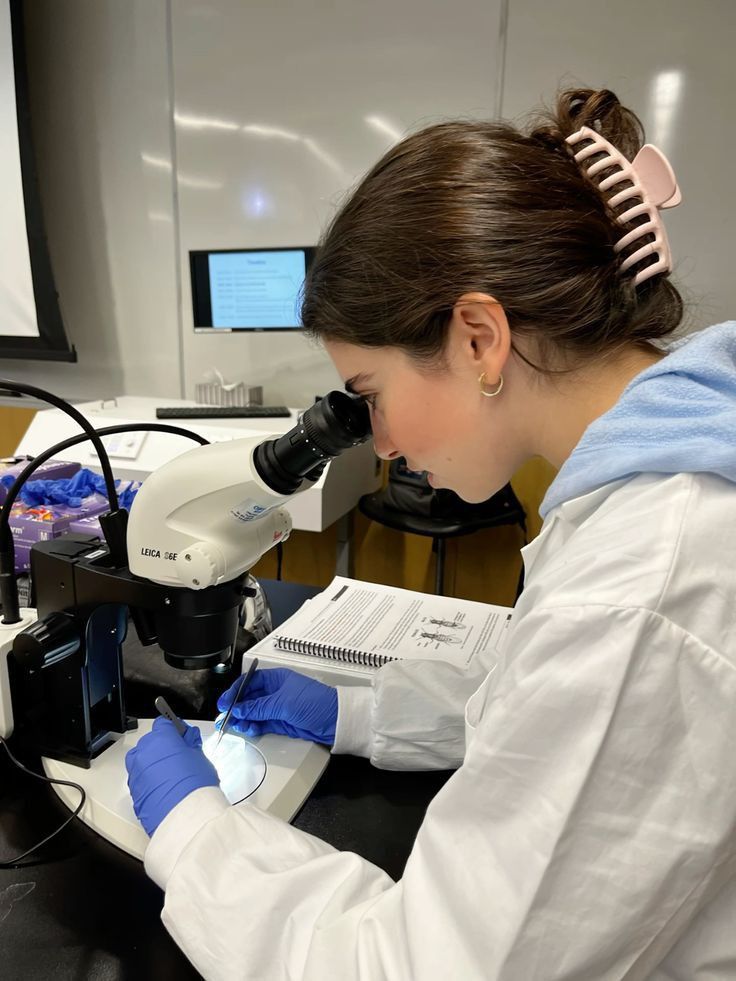
Incorporating practical experiments and scientific investigations is a hallmark of the biology curriculum, providing hands-on experience that is crucial for developing scientific skills.
Through well-structured biology classes, teachers are able to engage students, spark their curiosity, and help them appreciate the relevance of biology in everyday life and within the larger societal context.
Our school, like many others in the UK, ensures that the biology curriculum is delivered effectively by employing qualified teachers who are adept in both theoretical and practical aspects of secondary science education.
This alignment with the national standards guarantees that our students receive a robust education that equips them with the necessary skills and knowledge for their educational journey and future career paths.
Ultimately, the secondary school biology curriculum UK is designed not only to fulfil educational requirements but also to inspire students and instigate a lifelong interest in the sciences.
In accordance with government policy, the curriculum undergoes regular reviews to incorporate scientific advancements and educational research, making it both current and relevant.

National Curriculum Framework for Biology
The National Curriculum Framework for Biology forms a pivotal component of the secondary school biology curriculum UK.
It is designed to ensure students receive a comprehensive science education that is both coherent and challenging.
This framework outlines essential biological concepts that students must understand by the end of their secondary education.
The secondary school biology curriculum UK aims to develop students’ understanding of important scientific ideas, processes, and skills to foster a deep appreciation of the role of science in the natural world.
The curriculum includes studying ecosystems, cellular structures, genetics, human biology, and evolutionary principles.
It aligns with government specifications and policies to ensure a consistent educational standard across England.
A core aspect of the secondary school biology curriculum UK is its emphasis on scientific enquiry.
This encourages students to engage in investigative experiences, fostering critical thinking and problem-solving skills.
Laboratory work is fundamental, offering hands-on experience and bridging the gap between theory and practical application.
The framework also incorporates interdisciplinary connections with chemistry and physics, providing a holistic view of science.
This is crucial for developing a comprehensive understanding of how biological processes interlink with other scientific disciplines.
Furthermore, the curriculum is periodically reviewed and updated to accommodate advancements in biology and educational research.
This ensures that the secondary school biology curriculum UK remains relevant and at the cutting edge of scientific education.
At Thomas Keith Independent School, adherence to the National Curriculum Framework for Biology guarantees that students not only grasp the necessary biological concepts but also cultivate a lasting interest in science.
The use of a structured yet flexible framework enables teachers to tailor instruction to meet the diverse needs of all students while achieving educational objectives effectively.
The secondary school biology curriculum UK is enhanced by incorporating digital tools and resources, making it adaptable for both online and traditional classroom settings.
This flexibility is crucial in modern education, allowing institutions like Thomas Keith Independent School to provide quality education irrespective of the learning environment.
In conclusion, the National Curriculum Framework for Biology ensures that secondary education equips students with both the knowledge and skills necessary to succeed in further scientific study or diverse career paths.
Its robust and adaptable nature secures a foundational understanding of biology, preparing students for the challenges and opportunities that lie ahead in higher education and beyond.
Key Components of the Biology Curriculum
The secondary school biology curriculum UK is structured to provide students with a comprehensive understanding of biological concepts, fostering a deep appreciation for the complexity of life.
Core to this curriculum are several key components, which are designed to be engaging and informative, preparing students for further education and potential careers in science-related fields.
Firstly, the biology curriculum covers cellular biology, which serves as the foundation for understanding the intricate processes that sustain life.
Students are exposed to detailed studies of cell structure and function, offering insights into the basic building blocks of all organisms.
This component is crucial as it lays the groundwork for more advanced topics.
Secondly, genetics plays a pivotal role in the secondary school biology curriculum UK, where students explore heredity and genetic variation.
Understanding DNA, gene expression, and the principles of inheritance equips learners with the knowledge to appreciate how traits are passed down through generations.
These concepts are vital for making sense of modern developments in biotechnology and medicine.
Ecology is another essential component, focusing on the interactions between organisms and their environments.
The curriculum encourages students to investigate ecosystems, energy flows, and environmental sustainability, fostering an understanding of humans’ impact on the natural world.
Such studies aim to inspire responsible citizenship and awareness of global ecological issues among students.
Moreover, physiology and anatomy are prominently featured within the curriculum.
Through these topics, students examine the structure and functions of various biological systems in humans and other organisms.
This knowledge is not only fundamental for those interested in health sciences but also enhances graduates’ understanding of their own bodies and life processes.
Additionally, evolutionary biology is integral to the secondary school biology curriculum UK, where learners delve into the mechanisms of evolution and the diversity of living organisms.
By studying the evidence and theories that explain the adaptive changes in species over time, students gain an appreciation for the dynamic nature of life on Earth.
Overall, the secondary school biology curriculum UK is meticulously structured to nurture inquiry, critical thinking, and a love for science.
Each component interconnects to reveal the complexities of the biological world, ensuring that students at Thomas Keith Independent School are well-equipped with the skills and knowledge necessary for future success.
Teaching Methods and Classroom Experience
In the secondary school biology curriculum UK, teaching methods and classroom experience play a pivotal role in shaping students’ understanding and interest in the subject.
The approach to teaching biology is diverse, encompassing a blend of theoretical and practical activities designed to engage students actively.
At Thomas Keith Independent School, we emphasise the importance of an immersive and interactive classroom environment.
Hands-on laboratory experiments are a cornerstone of biology education, allowing students to apply theoretical concepts in a practical setting.
This not only aids in consolidating knowledge but also nurtures critical thinking and problem-solving skills.
Additionally, collaborative group work encourages students to discuss and explore biological concepts, fostering a deeper understanding through peer interaction.
Incorporating technology in the biology classroom is another innovative method that enhances the secondary school biology curriculum UK.
Digital tools and resources, such as virtual labs and interactive simulations, provide an engaging and dynamic learning experience.
These tools also help in making complex concepts more accessible and understandable to students at various levels of comprehension.
Furthermore, field trips and outdoor activities are integral to our teaching methodology.
Such experiences provide real-world context and relevance to biological concepts, making learning both exciting and practical.
By observing biological phenomena in natural settings, students gain a contextual appreciation for the subject matter.
Our experienced biology teachers at Thomas Keith Independent School adopt a student-centred approach, tailoring lessons to meet diverse learning needs and ensuring that every student can engage with and comprehend the curriculum.
Feedback and assessment are continuous, helping to identify areas for improvement and celebrate student achievements.
The secondary school biology curriculum UK is designed to be comprehensive and adaptive, meeting the learning objectives outlined by the national curriculum while encouraging a passion for biology.
By utilising varied teaching methods and providing enriching classroom experiences, we aim to inspire the next generation of biologists and scientists.
The Role of Dissection in Biology Education
Within the secondary school biology curriculum in the UK, the practice of dissection plays a significant educational role.
Dissection offers students a tangible, hands-on opportunity to study the anatomy of organisms and provides a deeper understanding of biological systems.
By engaging directly with the biological materials, students can connect theoretical knowledge from their biology classes with real-world biological complexity.
Dissection as part of the secondary school biology curriculum UK is often conducted in a controlled and ethical manner.
Schools ensure that the specimens used for dissection, such as frogs or mice, are sourced responsibly, reinforcing the importance of ethical standards in scientific study.
This practice not only enriches the learning experience but also instils a respect for living organisms, which is an essential aspect of biology education.
For many students, the experience of dissection enhances their interest in biology and can inspire a lifelong passion for the sciences.
It facilitates a comprehensive learning environment where students actively participate, encouraging curiosity and critical thinking skills.
Moreover, dissection contributes to the development of practical skills such as precision and attention to detail, which are invaluable beyond the classroom.
At Thomas Keith Independent School, we recognise the importance of balancing traditional methods like dissection with innovative teaching approaches.
This ensures that our students receive a well-rounded education that adheres to the highest standards of the secondary school biology curriculum UK.
By doing so, we prepare our students not only for future educational pursuits but also for contributing thoughtfully to the scientific community.
Assessment and Evaluation in Biology
Assessment and evaluation form a crucial part of the secondary school biology curriculum in the UK.
They ensure that the educational objectives of the biology curriculum are met and provide feedback on both teaching methodologies and student understanding.
At Thomas Keith Independent School, we implement rigorous assessment techniques to gauge student proficiency in biology.
One of the primary methods of assessment in the secondary school biology curriculum UK is through written examinations.
These exams test students on key concepts, scientific knowledge, and their ability to apply what they have learned in practical scenarios.
Practical assessments play a vital role as well, evaluating a student’s ability to perform experiments, collect data, and analyse results.
Such evaluations ensure that students are not only theoretically proficient but also skilled in laboratory practices, reflecting the comprehensive nature of the curriculum.
Coursework and continuous assessment offer additional insights into a student’s progress.
These assessments might include projects, lab reports, and smaller quizzes designed to test the student’s understanding of biology concepts over time rather than a single examination moment.
Feedback from these assessments is fundamental.
It helps students identify their strengths and weaknesses, allowing them to focus on areas that require improvement.
Teachers use this feedback to adapt their teaching strategies, thus improving the overall educational experience.
In conclusion, assessment and evaluation in the secondary school biology curriculum UK are integrated to enhance learning outcomes.
By employing a variety of assessment methods, Thomas Keith Independent School ensures that students receive a well-rounded biology education, equipping them with the necessary skills for future academic and professional pursuits.
Challenges and Opportunities in Biology Education
The secondary school biology curriculum in the UK presents a unique blend of challenges and opportunities for educators and students alike.
Understanding these aspects is crucial for improving the educational experience and outcomes.
One of the primary challenges within the secondary school biology curriculum UK is the rapid advancement of scientific knowledge.
Teachers must continually update curricula and teaching materials to reflect the most current scientific understanding.
This constant evolution can place a strain on resources and require substantial professional development.
Another significant challenge is the varying levels of student interest and engagement in biology classes.
Incorporating diverse teaching methods in the secondary school biology curriculum UK can help address this issue.
Interactive activities, laboratory experiments, and the use of digital resources can make learning more appealing and accessible to students with different learning preferences.
Conversely, the introduction of technology into the classroom presents an opportunity to enhance the secondary school biology curriculum UK.
Online platforms and educational apps can provide students with interactive and personalised learning experiences, offering a new dimension to traditional biology education.
Additionally, technology can facilitate collaboration, enabling students to participate in projects with peers both locally and globally.
Engaging with real-world applications of biology also represents an opportunity within the secondary school biology curriculum UK.
Integrating topics such as environmental biology, biotechnology, and genetics into the curriculum can help students connect classroom learning with real-world issues.
This approach not only increases relevance but also prepares students for potential STEM careers in an increasingly biologically oriented workforce.
In conclusion, while the secondary school biology curriculum UK faces certain challenges, it also offers numerous opportunities for innovation and improvement.
By addressing these challenges and capitalising on emerging opportunities, we at Thomas Keith Independent School can create a robust educational framework that fosters student success and lifelong interest in the biological sciences.
Future Directions and Innovations in the Secondary School Biology Curriculum UK
The secondary school biology curriculum UK is poised for significant transformation in response to the evolving demands of education and advancements in science.
In an era marked by rapid technological progress and a deeper understanding of biological sciences, the curriculum needs to continuously adapt to remain relevant and effective.
One of the most promising future directions for the secondary school biology curriculum UK is the integration of digital technology.
Digital platforms and virtual learning environments provide students with interactive and immersive experiences, enhancing their understanding of complex biological concepts.
The use of augmented reality (AR) and virtual reality (VR) creates opportunities for students to explore biological processes and structures in a detailed and engaging manner that traditional methods cannot replicate.
Such innovations make learning more interactive and cater to diverse learning preferences.
Another exciting development within the secondary school biology curriculum UK is the incorporation of cutting-edge scientific research into the syllabus.
As the field of biology continues to expand, introducing students to the latest research and discoveries will help them develop a contemporary understanding of the subject.
This approach not only invigorates the curriculum but also inspires students to pursue careers in science, thereby bridging the gap between education and scientific innovation.
Sustainability and environmental awareness are also critical themes that are increasingly being integrated into the biology curriculum.
In response to global challenges such as climate change, biodiversity loss, and ecosystem degradation, the secondary school biology curriculum UK must educate students on the importance of sustainability and empower them to contribute meaningfully to ecological preservation.
Teaching students about sustainable practices and the impact of human activities on the environment prepares them to address the pressing environmental issues of the future.
Furthermore, collaboration with scientific institutions and industry professionals could be another future direction for the secondary school biology curriculum UK.
Partnerships with universities and research organisations enable students to participate in workshops, field studies, and projects that provide real-world experience and practical skills.
Such collaborations can also help ensure that the curriculum remains current and aligned with the needs of higher education and industry.
In conclusion, the future directions and innovations in the secondary school biology curriculum UK are essential to keeping the curriculum dynamic and aligned with scientific advancements.
By integrating technology, incorporating contemporary scientific research, emphasising sustainability, and fostering collaborations with scientific entities, the curriculum can provide students with a comprehensive and future-ready education.
At Thomas Keith Independent School, we are committed to embracing these innovations to offer an education that is both engaging and transformative.
Conclusion
The secondary school biology curriculum in the UK is an essential framework that aims to impart a comprehensive understanding of biological concepts to students.
This curriculum framework not only prepares pupils for examinations but also for real-world applications.
At Thomas Keith Independent School, we acknowledge the importance of a well-rounded education in biology, which is evident in the way the curriculum is structured and delivered.
Our commitment to providing an engaging and effective learning experience ensures that students gain both theoretical knowledge and practical skills.
As we look toward the future, continuous adaptation of the secondary school biology curriculum in the UK is crucial to accommodate the evolving educational needs and scientific advancements.
Ultimately, this ensures that students are not only prepared for higher education and careers in biology-related fields but are also equipped to understand and engage with the biological challenges faced by society today.
