





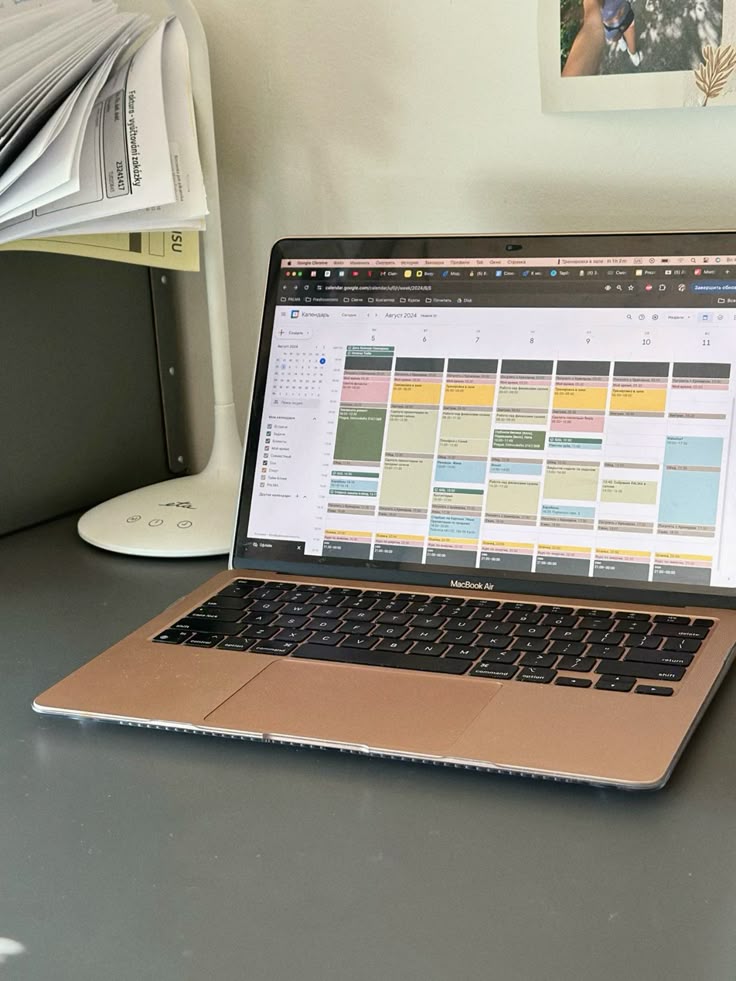
Introduction to UK Secondary School Timetables
The timetable of secondary schools UK plays a crucial role in the organisation and efficiency of educational institutions.
In a UK secondary school, the timetable is designed to ensure that students and teachers can manage time effectively for various subjects and activities.
Typically, a school timetable allocates time slots for subjects such as English literature, science, and mathematics, integrating period lengths that suit each subject’s needs.
The school day is often divided into discrete periods or lessons, which include a mix of core and elective subjects, allowing students to receive a well-rounded education.
In the context of Thomas Keith Independent School, the timetable of secondary schools UK is carefully structured to accommodate diverse student needs and preferences.
An efficient timetable is not just about scheduling classes but also about maximising the learning experience.
In secondary schools across the UK, timetabling considers factors such as the availability of rooms, teacher schedules, and the specific requirements of selective and grammar schools.
Timing is crucial, as certain subjects may require longer periods for practical lessons or assessments.
Timetabling also involves collaboration among school staff to ensure smooth operations throughout the academic year.
At Thomas Keith Independent School, an Online British School, the flexibility and adaptability of the UK secondary school timetable allow for innovation in teaching methods and curriculum delivery.
A well-planned timetable balances academic lessons with extracurricular activities, ensuring students have opportunities for personal development.
Moreover, the timetable of secondary schools UK serves as a framework for educational assessment and tracking student progress.
Teachers rely on the timetable to plan lessons efficiently and meet curriculum targets.
Meanwhile, students benefit from a structured day that supports learning and growth.
By integrating technology and innovative scheduling practices, schools like Thomas Keith Independent School are leading the way in developing timetables that are not only functional but also responsive to the evolving educational landscape.
This analytical approach to scheduling is instrumental in creating an environment where students can thrive and achieve their full potential.

Typical Structure of a Secondary School Day
The timetable of secondary schools UK is designed to provide a structured and balanced educational experience for students as they progress through their formative years.
A typical UK secondary school day is segmented into various periods that comprise different subjects, activities, and breaks.
This structured approach helps maintain an organised environment conducive to learning.
In the UK, a typical secondary school day usually starts around 8:30 AM.
Students often begin their day with a registration period or a morning assembly that sets the tone for the day, encouraging a sense of community and focus.
Each school day is typically divided into five to seven periods, each lasting around 50 to 60 minutes, to accommodate a variety of subjects like Mathematics, English, and Science.
Many schools incorporate double periods for more intensive subjects or practical sessions, particularly in areas like Science and Physical Education.
These periods are interspersed with short breaks to allow students to rest and socialise.
A mid-morning break of 15 to 20 minutes provides students with time to energise before resuming academic activities.
Lunchtime is a crucial part of the UK secondary school timetable, generally scheduled between 12 PM and 1:30 PM.
This period allows students to have their meals, engage in extracurricular clubs, or participate in sports.
Afternoon lessons continue until around 3:00 to 3:30 PM, depending on the school’s specific timetable.
Post-school sessions or extracurricular activities are common, offering students opportunities for enrichment and personal development beyond the standard curriculum.
In conclusion, the typical structure of a secondary school day in the UK, as outlined in the timetable for secondary schools UK, is meticulously crafted to balance academic rigour with the physical and social needs of students.
This framework is essential for nurturing well-rounded individuals who are prepared for future educational challenges.
Key Timetable Components
In understanding the timetable of secondary schools UK, it is crucial to identify the key components that define the structure and functionality of the school calendar.
A well-crafted UK secondary school timetable typically includes various essential elements that ensure the smooth operation of daily school activities.
The core component of any timetable secondary school UK is the allocation of teaching periods.
Each school day is segmented into multiple periods, often ranging from 30 to 60 minutes, where different subjects are taught.
This segmentation allows for a balanced distribution of lessons in subjects such as mathematics, science, literature, and the arts.
Ensuring that these periods are well-allocated is central to effective learning and teaching.
Another critical aspect of the UK secondary school timetable is the inclusion of breaks and lunchtimes.
These intervals, strategically scheduled between teaching periods, are vital for students’ mental and physical well-being.
Break times allow students to refresh and recharge, thereby improving focus and productivity during academic lessons.
The timetable of secondary schools UK also incorporates assemblies and other school-wide activities that foster a sense of community and shared goals.
Assemblies are usually held once a week, providing a platform for important announcements and fostering school spirit.
Extracurricular activities form another essential element.
They typically occur after school or during designated periods within the UK secondary school timetable.
These activities offer opportunities for students to pursue interests beyond the core curriculum, fostering personal and social development.
An often overlooked component is the teachers’ planning and preparation periods.
These are integral to the timetable of secondary schools UK as they enable teachers to prepare lessons, assess student work, and engage in professional development activities.
Careful scheduling of these periods is essential to maintain teaching quality and allow for collaborative planning among staff.
Finally, the timetable of secondary schools UK must accommodate specialised sessions such as practical lab work or drama rehearsals.
These require specific resources and spaces, necessitating careful planning to ensure facilities are utilised effectively without clashes or overbookings.
To sum up, a successful UK secondary school timetable must balance academic requirements with breaks, extracurricular activities, and essential planning time for teachers, all while considering the logistical constraints of the school.
This intricate orchestration is fundamental to providing a holistic education that meets the diverse needs of students at Thomas Keith Independent School and beyond.
The Role of Timetabling in School Operations
The timetable of secondary schools UK represents an essential framework that influences all areas of school operations.
Effective timetabling is crucial for the seamless functioning of any educational institution, including Thomas Keith Independent School.
Timetabling serves as the backbone of school operations by organising a structured schedule that determines which subjects are taught at specific times.
An optimised UK secondary school timetable ensures that resources such as classrooms, teachers, and materials are used efficiently.
Furthermore, the timetable facilitates effective time management, allowing schools to allocate time appropriately to both core and elective subjects.
This ensures that students receive a balanced education and that teaching staff can adequately prepare and deliver lessons.
In school operations, timetabling also plays a significant role in maintaining student discipline and maximising learning.
A well-planned timetable secondary school UK helps minimise transition times between classes, reducing the chances of disruption.
Moreover, by providing a clear framework, timetabling allows parents, teachers, and students to understand expectations, ultimately improving communication and planning.
At Thomas Keith Independent School, the UK secondary school timetable is designed to accommodate both academic and extracurricular activities, ensuring a comprehensive educational experience.
In conclusion, timetabling is more than a mere routine; it is a strategic tool that significantly impacts the academic and operational success of a school.
At Thomas Keith Independent School, we recognise its importance, continually striving to develop timetables that reflect our commitment to educational excellence.
Challenges in Creating Effective Timetables
Creating an effective timetable for secondary schools in the UK involves navigating a complex array of challenges.
The role timetables play in ensuring smooth school operations cannot be underestimated, yet the process of designing them is fraught with obstacles.
One major challenge is balancing the scheduling needs of different subjects, particularly given the constraints of available resources.
For example, science lessons require specific lab space and equipment, which can create bottleneck issues when these resources are limited.
Likewise, subjects like physical education may need specific facilities, adding another layer of complexity to the timetable secondary school UK planning process.
Another difficulty in crafting effective timetables stems from staffing constraints.
Schools must optimise teacher availability across various subjects while considering their specialisation and contractual limits.
This often necessitates the involvement of specialised timetabling software to manage and forecast these complex requirements efficiently.
Moreover, aligning the timetable with the curriculum while meeting regulatory requirements presents another challenge.
Schools must ensure that each subject receives adequate teaching time, which involves intricate calculations, especially for core subjects like English, Maths, and Science.
This ensures compliance with educational standards and maximises student learning outcomes.
Furthermore, individual students’ needs add another dimension of complexity to the timetable UK secondary schools creation process.
Efforts to accommodate both advanced learners and those requiring additional support can create conflicting demands on both time and teacher deployment.
Finally, communication among staff, parents, and students is crucial for implementing any timetable changes smoothly.
Without effective communication, the timetable itself can become a source of stress and confusion rather than a structured guide to daily activities.
The challenge lies in ensuring all stakeholders are well-informed and any inevitable conflicts or misunderstandings are promptly addressed.
Overall, developing a timetable for secondary schools in the UK is a demanding task that requires a fine balance between diverse needs and constraints.
Through understanding these challenges, schools like Thomas Keith Independent School can strive to create effective and efficient schedules that support both teaching and learning objectives.
Impact of Timetabling on Students and Teachers
The timetable secondary school UK system plays an integral role in shaping the academic experience for both students and teachers.
An effective UK secondary school timetable ensures that students have a balanced distribution of subjects throughout the week, preventing overload in particular areas.
This balance is crucial in maintaining student engagement and preventing burnout.
Students benefit from well-structured timetables as they provide a predictable routine, which is essential for establishing consistent study habits and managing time effectively.
The timetable secondary school UK system also allows for the strategic allocation of periods for practical sessions, extracurricular activities, and break times, contributing to a holistic educational experience.
For teachers, the UK secondary school timetable is equally impactful.
A well-planned timetable accommodates teacher preferences and teaching strengths, ensuring that staff members are placed in situations where they can excel.
Additionally, careful timetabling helps in managing workload, allowing teachers to prepare adequately for lessons, engage in professional development, and participate in school activities without feeling overwhelmed.
However, challenges arise when timetabling does not adequately consider teacher collaboration needs and resource availability, potentially leading to inefficiencies and stress.
In essence, the timetable of the UK’s secondary school system is a crucial component in fostering a productive and supportive educational environment.
When optimised, it enhances learning outcomes, improves teacher satisfaction, and ultimately contributes to the success of Thomas Keith Independent School’s mission in providing quality education.
Timetabling Software and Tools
In the context of the timetable in secondary schools UK, the use of advanced timetabling software and tools has revolutionised how schools operate.
Effective timetabling is essential for managing the daily schedules of both students and teachers, ensuring that resources are optimally allocated and that the educational process runs smoothly.
Sophisticated timetabling software is designed to handle the complexities of UK secondary school timetables, addressing multiple variables such as classroom availability, teacher requirements, and subject-specific needs.
These tools help in reducing errors that can occur with manual scheduling, thus preventing conflicts and ensuring a streamlined operation throughout the academic year.
At Thomas Keith Independent School, the use of such timetabling software aids in achieving efficiency by allowing for flexibility and adjustments as needed, ensuring that the school’s operations align with educational goals and standards.
Another advantage of using timetabling software is its ability to adapt quickly to changes, such as shifts in student enrolment or staffing adjustments, thus maintaining a dynamic and effective timetable.
Moreover, using technology for timetabling provides a digital platform where teachers and students can access their schedules easily, fostering transparency and communication within the school environment.
In conclusion, the inclusion of advanced timetabling software in the structure of a timetable secondary school UK not only enhances the operational efficiency of institutions like Thomas Keith Independent School but also contributes to an enriched educational experience for both students and teachers.
Conclusion: The Future of School Timetabling
The future of the timetable of secondary schools UK landscape holds promising transformations driven by technological advancements.
As schools increasingly integrate digital tools, the development and management of timetables are expected to become more efficient and adaptable.
At Thomas Keith Independent School, we anticipate utilising cutting-edge timetabling software to enhance our ability to meet diverse educational needs.
UK secondary school timetables will likely evolve to include more personalised scheduling, allowing students to tailor their learning experiences further.
Moreover, as educational theories advance, timetables can better accommodate various learning styles and methodologies, reflected in more dynamic and flexible schedules.
The ongoing collaboration between educators and technologists will be critical in shaping a timetable secondary school UK framework that is not only efficient but also enriching for both students and teachers.
In conclusion, the future of school timetabling is promising.
By embracing innovations, schools like Thomas Keith Independent School are poised to offer more tailored and responsive educational experiences.
