



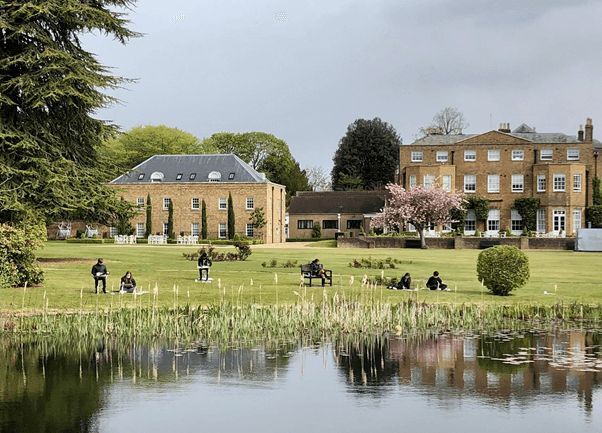
Introduction to UK State Boarding Schools
UK State Boarding Schools provide a unique blend of free education and fee-based boarding, distinguishing them from private boarding institutions.
These schools are operated by the state, offering education to pupils similar to any other state secondary or grammar school, while boarding facilities are charged separately.
Due to this arrangement, they can keep tuition costs low, making them a viable option for families seeking affordable yet quality education in the UK.
State boarding schools are integral to the British education system and a preferred choice for many parents, particularly service families and those with work commitments that involve regular travel.
These schools offer the consistency of a stable home environment at an affordable rate while ensuring children receive an enriching education similar to private boarding schools.
The standard of education at UK State Boarding Schools is often compared with their private counterparts.
However, they maintain a strict selection process primarily based on aptitude and eligibility rather than financial capability.
This ensures that pupils from diverse backgrounds have access to high-quality education and boarding facilities.
Many of the state boarding schools in England have impressive track records, with some outperforming private schools in examinations and university entry rates.
Schools like Lancaster Royal Grammar School and Hockerill Anglo-European College are examples of institutions often highlighted for their exceptional academic performance.
State boarding schools also provide various extracurricular activities and opportunities, mirroring the experiences offered by private boarding schools.
This allows students to engage in sports, arts, and social activities, fostering a well-rounded development during their formative years.
Due to their configuration, the audience for UK State Boarding Schools is generally broad and varied, serving both national and international pupils.
They cater significantly to service personnel and families who seek stable and consistent education amid their mobile lifestyles.
In conclusion, UK State Boarding Schools offer a compelling alternative to private education, with benefits such as affordability, diverse pupil enrolment, and comprehensive educational offerings.
When considering the overall value proposition, these institutions deliver significant advantages for families prioritising quality education without the hefty price tag typically associated with private schooling.
Eligibility and Admission Process for UK State Boarding Schools
Understanding the eligibility and admission process for UK State Boarding Schools is essential for parents considering this unique educational option for their children.
UK State Boarding Schools provide an opportunity for students to benefit from a high-quality education while experiencing the enriching environment of a boarding school, and eligibility criteria play a crucial role.
To be eligible for admission to a UK State Boarding School, children must hold British or EU/EEA citizenship, or they must have residency rights in the UK.
Unlike traditional schooling systems, these state boarding schools focus on admitting students who meet specific criteria set by the government.
This ensures that the eligible pupils are those who will benefit most from the opportunities provided.
The admission process for UK State Boarding Schools typically involves several steps.
Firstly, prospective pupils and their parents are encouraged to visit their chosen school during open days or scheduled visits.
This not only allows families to experience the boarding environment firsthand but also gives them a chance to interact with staff and current students, gaining a comprehensive understanding of school life.
UK State Boarding Schools often require students to take entrance examinations as part of their admission criteria.
These assessments evaluate the academic readiness of candidates, ensuring they meet the educational standards set by the school.
In addition to academic performance, some state boarding schools may consider other factors such as extracurricular achievements and personal interviews.
The emphasis on a holistic evaluation ensures that students are well-rounded and capable of thriving in a boarding environment.
Furthermore, each state boarding school has its own set of specific admission requirements and processes.
Certain schools may focus on specialist areas such as military, grammar, or European studies, aligning their criteria with these specialisms.
Prospective families are encouraged to contact the schools directly through their admissions office or browse their websites for detailed information on the criteria and deadlines.
It is important to note that while tuition at UK State Boarding Schools is covered by the government, boarding fees must be borne by the parents.
The boarding costs, however, are often significantly lower than those at independent boarding schools, making this an attractive option for many families.
In conclusion, the eligibility and admission process for UK State Boarding Schools is comprehensive and geared towards selecting students who will fully benefit from this educational model.
By understanding the criteria and ensuring that prospective pupils meet the requirements, parents can make informed decisions about their child’s educational future.

Comparison with Private Boarding Schools
UK State Boarding Schools offer a unique blend of education that contrasts in several key areas with private boarding schools.
Understanding these differences can help parents make informed decisions about their child’s education.
UK State Boarding Schools provide free education, with parents only paying for the boarding element.
This significantly reduces costs compared to private boarding schools, where both tuition and boarding fees are incurred.
In the realm of academics, both UK State Boarding Schools and private boarding schools boast high educational standards.
However, private institutions often have more resources at their disposal, which can be used to fund various extracurricular activities and facilities.
State boarding schools are open to a broader spectrum of the population, fostering a diverse and inclusive environment.
Conversely, private schools may have more selective admission processes, which can impact student diversity.
This inclusivity makes state boarding schools an attractive option for many families.
At UK State Boarding Schools, the curriculum often aligns with the national framework, ensuring students receive a comprehensive education.
Private boarding schools may offer alternative curricula, such as the International Baccalaureate, providing different educational pathways.
Both UK State Boarding Schools and private boarding schools emphasise pastoral care and student well-being.
Yet, the approach can differ, with private schools sometimes having more staff dedicated to specific areas of student welfare and personal development.
Facilities at private boarding schools are often seen as more luxurious compared to those at state institutions.
Nonetheless, many UK State Boarding Schools have undergone improvements to offer competitive facilities, ensuring students have access to quality resources.
When considering future opportunities, students from both sectors tend to excel in higher education and career paths.
The choice between a UK State Boarding School and a private boarding school often boils down to personal preference, financial considerations, and desired educational experience.
In summary, while UK State Boarding Schools offer cost-effective, inclusive, and high-standard education, private boarding schools provide a more resource-intensive educational environment.
The decision should be based on what aligns best with the student’s needs and family circumstances.
Top State Boarding Schools in England
UK State Boarding Schools provide an excellent educational experience with a unique twist, offering boarding facilities while being funded by the state.
These institutions often offer a high standard of education combined with the benefits of a boarding environment, making them an appealing option for many families.
In this section, we’ll examine some of the top state boarding schools in England known for their academic excellence and pastoral care.
Among the esteemed UK State Boarding Schools, Lancaster Royal Grammar School in Lancashire stands out.
Renowned for its rich history and academic success, Lancaster Royal Grammar School offers a broad curriculum with a strong focus on grammar and core subjects.
The school’s boarding provision is known for being supportive and nurturing, ensuring that pupils are well looked after.
Another noteworthy institution is Cranbrook School in Kent.
As a state boarding school, Cranbrook has consistently performed well in national league tables, excelling in both academics and extracurricular activities.
The school caters to a wide range of interests, encouraging pupils to participate in various clubs and societies, enhancing their all-around development.
Hockerill Anglo-European College in Hertfordshire provides an international perspective with its emphasis on modern languages and international relations.
A standout feature of this state boarding school is its International Baccalaureate programme, which appeals to parents looking for a curriculum with an international flair.
The boarding experience at Hockerill nurtures pupils’ independence and prepares them for global citizenship.
Brymore Academy in Somerset is also a top contender, particularly for pupils interested in agriculture and rural studies.
This state boarding school offers unique opportunities within its curriculum, providing hands-on experiences in farming and horticulture.
Brymore Academy’s boarding facilities are robust, ensuring a comprehensive pastoral care programme that supports the overall development of its students.
Holyport College in Berkshire is a relatively newer addition to the list of top UK State Boarding Schools, but has made significant strides owing to its collaboration with Eton College.
The partnership enriches the educational experience, offering students exposure to an elite academic environment.
Holyport focuses on providing a balanced education complemented by a strong pastoral system, ensuring that every pupil thrives both academically and socially.
In conclusion, UK State Boarding Schools such as Lancaster Royal Grammar School, Cranbrook School, Hockerill Anglo-European College, Brymore Academy, and Holyport College exemplify the quality and diversity of options available.
These schools not only maintain rigorous academic standards but also offer enriched boarding experiences that contribute significantly to students’ personal growth.
Families considering these schools can expect to find an environment that fosters academic excellence, character development, and holistic education.
Boarding Standards and Inspections
In the realm of UK State Boarding Schools, maintaining high boarding standards is paramount to ensuring a safe and supportive environment for pupils.
These schools are regularly subjected to rigorous inspections designed to evaluate various aspects of their boarding provision.
These inspections are conducted by the Office for Standards in Education, Children’s Services and Skills (Ofsted), or its independent equivalent, ISI, depending on the school’s governance.
The primary objective of these evaluations is to ensure that the boarding facilities meet the national minimum standards for accommodation, safeguarding, and pastoral care.
Boarding standards in UK State Boarding Schools are comprehensive, covering everything from the condition of the physical infrastructure to the quality of food and nutrition provided to boarders.
Inspectors assess how well the schools support the health and well-being of their pupils, a crucial aspect for the proper development of young individuals.
They also examine the effectiveness of the schools’ policies and procedures in promoting the welfare, health, and safety of students.
Furthermore, inspections in UK State Boarding Schools focus on ensuring compliance with health and safety regulations.
This includes fire safety measures and the adequacy of risk assessments in various boarding scenarios.
Schools that excel in these inspections often boast state-of-the-art facilities and robust support systems, contributing to a well-rounded education experience for their students.
Feedback from these inspections provides valuable insights for continuous improvement, enabling schools to enhance their boarding provisions and better cater to the needs of their pupils.
For reputable institutions like the Thomas Keith Independent School, adhering to these standards and excelling in inspections is not only a requirement but a commitment to providing exceptional education and boarding experiences.
Ensuring high standards in UK State Boarding Schools is a collaborative effort between the educational institutions, regulatory bodies, and the wider community, ensuring the highest quality of care and education for all pupils.
Benefits of State Boarding Schools
UK State Boarding Schools offer several benefits that make them an attractive option for parents and pupils alike.
These schools provide a unique blend of academic opportunity and personal development that is often unmatched by other educational institutions.
The primary advantage of state boarding schools is their affordability compared to private boarding schools.
Parents only pay for the boarding element, as the education itself is funded by the state, making it accessible to a broader range of families.
This financial model enables students from diverse backgrounds to benefit from a boarding education.
Another key benefit of UK State Boarding Schools is the high standard of education they offer.
Often, these schools boast impressive academic results and provide a broad curriculum that caters to different interests and career aspirations.
Many state boarding schools are also known for their enriched extracurricular programmes, which include sports, music, arts, and more, fostering a well-rounded education.
This holistic approach ensures that students develop not only academically but also personally and socially.
State boarding schools also provide a structured and supportive environment.
The boarding aspect encourages independence and self-discipline, as students live and study on campus.
This setting helps pupils develop important life skills, such as time management, responsibility, and social skills, which are beneficial throughout their lives.
Moreover, UK State Boarding Schools are subject to regular inspections and adhere to rigorous standards, ensuring the quality and safety of the boarding environment.
These inspections cover various aspects, including welfare, health and safety, and educational quality, providing peace of mind to parents and students alike.
In summary, the benefits of state boarding schools in the UK extend beyond academic achievements.
They offer an affordable yet high-quality education, a supportive and structured environment, and a diverse and enriched educational experience, preparing students for future success in all facets of life.
Challenges Faced by State Boarding Schools
UK State Boarding Schools play a vital role in providing high-quality education combined with boarding facilities at a reduced cost compared to private institutions.
However, these schools face several challenges that can impact their ability to deliver exceptional services.
One of the main challenges encountered by state boarding schools is funding limitations.
Unlike private boarding schools, UK State Boarding Schools primarily rely on government funding, which can often be insufficient to meet the demand for maintaining and upgrading boarding facilities.
This financial constraint affects their ability to offer extracurricular activities and modern resources that are often available in privately funded schools.
Another significant challenge is competition for enrolment.
With limited seats available, UK State Boarding Schools must attract students not only from the surrounding localities but also nationally and internationally.
This competition often leads to higher admission standards, which can inadvertently limit access for some students.
Changes in educational policies also introduce challenges for state boarding schools.
These institutions must continuously adapt to new regulations, curricula, and inspection standards, which can strain administrative resources.
Fluctuations in policy can lead to unforeseen operational adjustments that require both time and investment.
Furthermore, maintaining boarding standards is an ongoing challenge for state boarding schools.
They must consistently ensure that the residential experience meets high standards of care and safety, which are subject to regular inspections and independent reviews.
In addition to these operational challenges, UK State Boarding Schools face the ongoing task of balancing traditional educational values with the need to innovate and incorporate modern educational trends.
The integration of technology into teaching, while necessary, adds a layer of complexity, requiring both investment and staff training.
Efforts to address these challenges require strategic planning and collaboration with various stakeholders, including government bodies, parents, and the broader community.
By tackling these obstacles, UK State Boarding Schools can better serve students and secure their positions as valuable educational institutions within the public sector.
Conclusion
In conclusion, UK State Boarding Schools offer a distinct educational experience, blending the advantages of state schooling with the unique opportunities of boarding life.
These institutions provide an accessible option for families seeking quality education and comprehensive development for their children.
While challenges such as funding and resource allocation exist, the benefits of attending a state boarding school can be significant.
The support systems in place, along with rigorous academic standards, ensure that students receive a well-rounded education that prepares them for future success.
For Thomas Keith Independent School, understanding the nuances of UK State Boarding Schools helps in creating content that resonates with prospective students and parents looking for the best educational options in the UK.
Overall, UK State Boarding Schools represent a vital component of the British educational landscape.
For more information, visiting a school or engaging with the State Boarding Forum could provide further insights into what makes these schools an appealing choice.
