



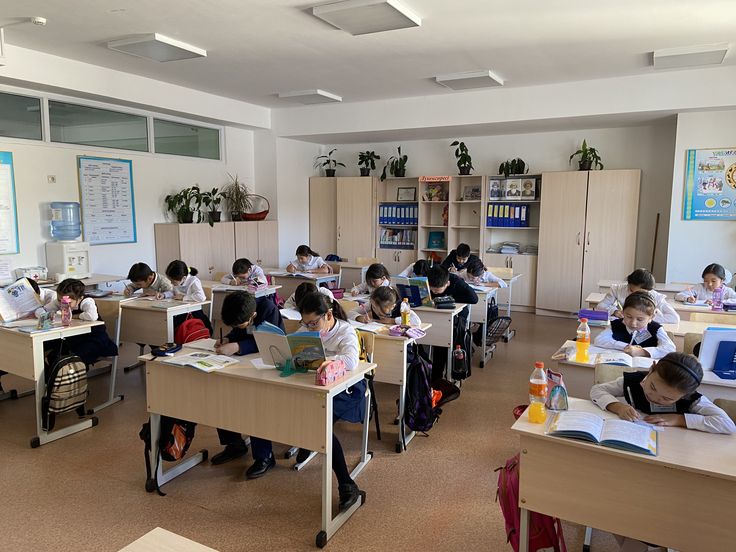
Introduction to American Schools Abroad
American schools abroad offer a distinct educational experience that combines the American curriculum with the rich cultural diversity of the host country.
For institutions like Thomas Keith Independent School, understanding the intricacies of American schools abroad is crucial for effectively positioning educational offerings on a global scale.
American schools abroad primarily serve expatriate communities and locals seeking an American-style education.
These institutions are unique as they operate under an umbrella of American educational philosophies while being deeply embedded in the local culture and context.
The standards and qualifications of American schools abroad are often aligned with those in the United States, providing similar opportunities for students.
An American school abroad typically adheres to a system of accreditation that ensures the quality and recognition of its diplomas.
This is vital for students applying to universities in the United States or other international educational institutions.
American schools abroad not only focus on traditional academics but also emphasise extracurricular activities such as cheerleading, basketball, and international Model United Nations events to provide a well-rounded education.
A significant advantage of these schools is the cultural immersion they offer, allowing students to gain a broader worldview.
Students are exposed to diverse cultures, languages, and historical perspectives, which can significantly shape their personal and academic growth.
Teachers in American schools abroad are often recruited from both the United States and the host country, bringing a wide range of experiences and teaching styles to the classroom.
This multifaceted teaching staff helps to enhance the educational experience by integrating various educational practices and methodologies.
Additionally, American schools abroad provide an environment that fosters community, friendship, and a unique sense of belonging among students from different backgrounds.
The challenges faced by American schools abroad include maintaining accreditation standards and adapting to differing educational systems and expectations in diverse regions.
Despite these challenges, the demand for American schools abroad continues to grow, reflecting the increasing value placed on an American-style education in the global arena.
Understanding the operational and academic structure of American schools abroad can guide international schools like Thomas Keith Independent School in crafting competitive and culturally relevant educational offerings.
In conclusion, American schools abroad represent a dynamic blend of American educational standards and international cultural richness, which can provide invaluable experience and opportunities for students worldwide.
Types of American Schools Abroad
American schools abroad offer a diverse range of educational structures, catering to the needs of expatriates and local students seeking an American-style education.
Understanding the types of American schools abroad can provide invaluable insights into their varied educational models and operational frameworks.
One prevalent type of American school abroad is the International American School, which primarily serves expatriate communities, including children of military personnel, diplomats, and corporate employees stationed abroad.
These schools often adhere to a curriculum that mirrors that of American schools in the United States, focusing on K-12 education to ensure consistency for students who may frequently relocate.
Another type of institution within the landscape of American schools abroad is the Bilingual School.
These institutions integrate both the American educational system and the local educational standards, providing students with a blended cultural and academic experience.
Bilingual schools are particularly prevalent in countries with strong diplomatic or historical ties to the United States, offering a curriculum that includes both countries’ historical and cultural components.
The American International School is yet another archetype, often found in major global cities.
These schools provide an international curriculum that combines elements of American educational practices with global perspectives, often incorporating the International Baccalaureate (IB) programmes.
This allows students in American schools abroad to gain credentials that are globally recognised, enabling smoother transitions if they pursue further education in different countries.
Moreover, some American schools abroad may focus specifically on Distance Learning and Online Education, a model that has become increasingly popular in recent years.
This approach is particularly beneficial for regions where a physical American school presence is not feasible, offering flexibility and access to quality education for students in remote locations.
Through digital platforms, students can participate in virtual classes, engage with American teachers, and access a comprehensive curriculum, replicating the classroom experience in an online environment.
Lastly, specialised American Preparatory Schools exist to prepare students for tertiary education at American universities.
These schools emphasise rigorous academic standards, advanced placement courses, and extracurricular activities to increase students’ competitiveness in the college application process.
Overall, these types of American schools abroad provide varied educational pathways, ensuring that the core principles of American education are upheld while allowing for adaptation to local contexts.
As part of Thomas Keith Independent School’s commitment to educational excellence, understanding these types can contribute to developing a more integrated global educational strategy.
By recognising and incorporating the principles of American schools abroad, institutions can expand their reach and enhance their appeal to a diverse student body, ultimately enriching the global educational landscape.

Accreditation and Standards
When it comes to American schools abroad, a critical aspect that ensures quality and credibility is accreditation and adherence to educational standards.
Accreditation acts as a seal of quality, confirming that the school meets specific academic and operational benchmarks set by recognised authorities.
Without accreditation, American schools abroad might struggle to gain trust and legitimacy, especially in diverse international settings.
There are several accrediting bodies involved in evaluating the standards of American schools abroad.
The Council of International Schools (CIS) and the New England Association of Schools and Colleges (NEASC) are prominent examples, providing rigorous accreditation processes.
These organisations assess aspects ranging from curriculum quality and student support services to faculty qualifications and administrative procedures.
For American schools abroad, achieving accreditation is not a one-time event but rather an ongoing process.
Periodic evaluations are conducted to ensure that these institutions maintain the necessary standards for quality education.
Failure to comply with accrediting body recommendations can result in probationary status or loss of accreditation, which can significantly impact a school’s reputation and enrolment rates.
Standards in American schools abroad are designed to align as closely as possible with those in the United States.
This alignment helps in providing a seamless transition for students moving between different educational systems.
However, one of the challenges in adhering to these standards is the cultural and educational policy differences between the United States and host countries.
American schools abroad must navigate these differences while maintaining the authenticity of American education.
Accreditation also opens doors for students, offering them opportunities for scholarships and facilitating easier access to universities, especially those based in the United States and other Western countries.
For educators and staff, accreditation status assures that their professional qualifications are recognised globally.
In conclusion, accreditation and standards play an indispensable role in the functioning of American schools abroad.
They serve as a compass guiding schools towards excellence, ensuring they offer students a legitimate and high-quality educational experience even when oceans apart from the United States.
Cultural and Educational Experience in American Schools Abroad
The cultural and educational experience offered by American schools abroad is as diverse as it is enriching.
American schools abroad have historically provided students with a unique opportunity to immerse themselves in different cultures while maintaining a curriculum that aligns with American educational standards.
The blend of local culture infused with American educational practices creates an environment that fosters both personal and academic growth.
Students in American schools abroad benefit from a bilingual or multilingual setting, which enhances their communication skills and cultural awareness.
Such an environment encourages students to cultivate a global mindset, preparing them as future leaders who understand the value of diversity and cultural exchange.
Teachers in American schools abroad often employ diverse teaching methods that integrate global perspectives into the classroom.
The use of varied pedagogical practices enhances the educational experience and effectively engages students from different backgrounds.
Moreover, these schools often celebrate cultural diversity through various programmes and events, such as international days and cultural festivals.
These activities allow students to learn about and appreciate different cultures beyond the textbook, making education a holistic experience.
The friendships and sense of community developed in American schools abroad are invaluable.
Students and faculty from different nationality groups come together, creating a sense of unity despite cultural differences.
This aspect of the American schools abroad experience continuously shapes students into well-rounded individuals with a deeper understanding of the world.
In conclusion, attending American schools abroad offers students a chance to engage with diverse cultures while receiving a quality education.
This duality enriches their learning experience and prepares them for a globalised future.
At Thomas Keith Independent School, we aim to replicate this enriching experience online, ensuring students benefit from both a quality British education and international cultural insights.
Opportunities and Challenges
American schools abroad present a myriad of opportunities and challenges that both enrich and complicate the educational landscape.
By operating under the umbrella of the American educational system, these schools serve as important cultural bridges, providing diverse experiences for students and staff alike.
One of the primary opportunities offered by American schools abroad is the exposure to a global environment.
Students and teachers engage with a range of cultures, languages, and perspectives that broaden their horizons and foster a greater understanding of international contexts.
This interaction helps students develop a strong sense of cultural diversity, which is invaluable in today’s interconnected world.
Additionally, these schools often maintain rigorous academic standards, preparing students for higher education in prestigious American universities and beyond.
However, running an American school abroad is not without its challenges.
One significant issue is the administrative hurdle of aligning the school’s curriculum and standards with both local educational requirements and American standards.
This dual compliance can complicate school operations, particularly in regions with strict government regulations.
Moreover, maintaining a qualified teaching staff can be difficult.
Attracting experienced teachers who are willing to move abroad requires competitive salary packages and benefits, which may not always be feasible for schools operating on limited budgets.
Another challenge lies in the cultural adaptation required from both students and teachers.
While exposure to different cultures is beneficial, adapting to new cultural norms and educational expectations can be challenging for some.
This adaptation process demands robust support systems within the school, including orientation programmes and continuous cultural training for all involved.
For schools like Thomas Keith Independent School, these challenges are compounded by the need to optimise online education for a global audience.
Navigating different time zones, providing resources that cater to a diverse student body, and offering language support are hurdles that require innovative solutions.
In conclusion, while the opportunities provided by American schools abroad are significant and contribute greatly to the global educational sphere, the challenges must be strategically managed to ensure these schools can operate effectively and provide quality education to their students.
Understanding these dynamics is crucial for any institution, such as Thomas Keith Independent School, looking to expand its reach and effectiveness in an ever-globalising world.
Case Study: American International School in Rome
The American International School in Rome is a prime example of how American schools abroad can integrate U.S. educational standards with rich cultural experiences.
Situated in the heart of Italy, this institution offers a unique blend of American curriculum tailored to an international context, making it an educational beacon for many expatriate and international families.
One of the standout features of the American International School in Rome is its commitment to providing a comprehensive American education while respecting the local Italian culture.
The ability to maintain an American curriculum is achieved through rigorous adherence to accreditation standards from recognised bodies, ensuring that the education provided stays true to American academic benchmarks.
Students at the school benefit from an education that is both globally-minded and locally attuned, offering courses and activities that enrich their cultural understanding and help shape their global perspective.
Moreover, the school provides a variety of extracurricular activities that reflect both American pastimes and Italian traditions.
This helps foster a sense of community and belonging among its students, encouraging friendships that span different cultures and backgrounds.
The faculty, composed of qualified teachers from diverse international backgrounds, plays a crucial role in delivering an educational experience that combines academic rigour with cultural enrichment.
Many educators are well-versed in international teaching methodologies, which enhances the school’s ability to cater to a diverse student body.
American schools abroad, like the American International School in Rome, face challenges related to balancing American educational ideals with local expectations and regulations.
However, by maintaining clear communication channels with parents and involving them in the community, these challenges can often be successfully navigated.
The American International School in Rome exemplifies the potential of American schools abroad to not only provide a superior education but also prepare students for a world that is becoming increasingly interconnected.
Conclusion: The Future of American Schools Abroad
The future of American schools abroad appears promising and poised for growth, reflecting their increasing importance in a globally connected world.
American schools abroad will continue to play a pivotal role in fostering international education and cross-cultural exchange.
As these institutions evolve, they are likely to expand their offerings, integrating more local cultural elements into their curricula while maintaining their American educational standards.
This fusion of cultures enhances the educational experience, providing students with a unique blend of both worlds.
With technological advancements, these schools are expected to adopt more digital learning tools, facilitating global communication and collaboration.
This evolution is set to enhance the quality of education, allowing American schools abroad to attract a diverse array of students from various cultural backgrounds.
Moreover, the demand for American schools abroad is likely to grow as globalisation increases and more families seek international experiences for their children.
However, to maintain their appeal and standards, these schools will need to overcome challenges such as maintaining accreditation and adapting to the varied educational regulations of host countries.
In conclusion, American schools abroad are well-positioned to offer a unique and robust education that not only adheres to American standards but also embraces the richness of global diversity.
This position ensures that they will remain a relevant and vital part of the international education landscape in the years to come.
