



Introduction to American Schools in Brazil
American schools in Brazil play a significant role in the educational landscape, offering a unique blend of American-style education within the Brazilian context.
These institutions provide families, particularly expatriates and locals seeking an American curriculum, with an opportunity to explore and experience the educational practices prevalent in the United States.
American schools in Brazil strive to cultivate an educational environment that not only emphasises academic excellence but also focuses on social and emotional learning.
These schools aim to help students grow and develop holistically, nurturing essential skills like leadership, collaboration, and critical thinking.
The presence of American international schools in Brazil is primarily concentrated in major cities such as São Paulo, Brasilia, and Recife.
They cater to a diverse community, including expatriates, local Brazilian families, and international students from various backgrounds.
A key feature of these schools is their focus on providing a comprehensive education that prepares students for higher education opportunities, both in Brazil and abroad, with a particular emphasis on institutions in the United States.
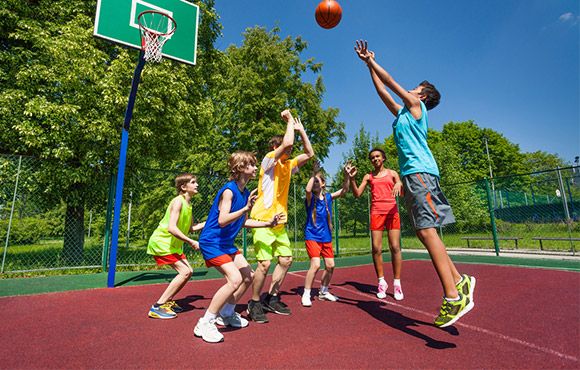
The dynamic curriculum offered by American schools in Brazil often includes a wide variety of extracurricular activities, such as theatre, basketball, tennis, track, and field.
Varsity sports teams, like futsal and basketball, are popular among students, providing them with an opportunity to develop their athletic abilities and team spirit.
Parent and teacher conferences play an integral role in the educational experience, fostering an open line of communication between stakeholders, ensuring that each child’s educational journey is supported.
Furthermore, American schools in Brazil often host parent engagement activities and community events that aim to create a unified and supportive school community.
In conclusion, American schools in Brazil are committed to delivering a well-rounded education that equips students with the skills necessary to succeed in an increasingly globalised world.
Their emphasis on academic rigour, cultural inclusivity, and extracurricular engagement sets them apart as educational institutions of choice for many families.
Overview of American International Schools in Brazil
American international schools in Brazil are part of a unique educational ecosystem that provides an immersive American-style education tailored to the needs of expatriate families and locals alike.
These institutions bridge cultural and educational paradigms to offer a curriculum rooted in American pedagogical methods, focusing on holistic education that emphasises critical thinking, creativity, and social responsibility.
The American School of Brasilia and Graded – The American School of São Paulo are prominent examples of such schools, renowned for their comprehensive academic programmes and vibrant community life.
Each institution maintains a commitment to preparing students for higher education and global citizenship, reinforcing the significance of American education in a rapidly globalising world.
American international schools in Brazil typically adhere to an educational model framed by key principles of American schooling, which stress innovation and student-centred learning.
This model often includes Advanced Placement (AP) courses, allowing students to gain college-level experience while still in high school.
Additionally, these schools place strong emphasis on extracurricular activities, including athletics like basketball, track, and field, as well as arts programmes such as theatre and drama production.
Moreover, faculties at American international schools in Brazil are dedicated to fostering an environment where diversity and multiculturalism prosper.
This encourages students to explore, learn, and grow in an environment that values different perspectives and experiences.
Such a nurturing atmosphere also extends to comprehensive support systems, ensuring the social and emotional well-being of students is prioritised.
Parent-teacher conferences are integral to these schools, reflecting their commitment to involving families in the educational process and ensuring clear communication regarding student progress and development.
In summary, American international schools in Brazil represent a significant chapter in the story of global education, embodying a blend of tradition and modernity that appeals to families seeking a robust and internationally recognised academic path for their children.

American School of Brasilia
The American School of Brasilia, known locally as Escola Americana de Brasília, stands as a premier example of American international schools in Brazil, offering a comprehensive education system that aligns with international academic standards.
Situated in the capital city of Brasília, this institution plays a significant role in the educational landscape by providing a curriculum that is both rigorous and adaptable, aiming to meet the diverse needs of its student body.
The American School of Brasilia offers a unique blend of American educational philosophies and practices, making it distinguished among its peers.
A key aspect of the institution’s appeal is its commitment to fostering social and emotional learning, an approach that supports the development of well-rounded individuals equipped with emotional intelligence and strong interpersonal skills.
The school champions a curriculum model that includes a broad spectrum of subjects, emphasising not only academic excellence but also holistic personal development.
Through an array of extracurricular activities such as theatre and athletics, students are encouraged to explore and grow beyond the classroom.
The school’s athletics programme is particularly noteworthy, with opportunities in sports such as basketball, tennis, and futsal, allowing students to develop their physical abilities and team skills.
An essential part of the American School of Brasilia’s mission is to engage parents and the community in the educational process, fostering a supportive environment that extends beyond the academic sphere.
Regular parent-teacher conferences and community events serve as platforms for collaboration and open communication, ensuring that the students’ educational experiences are supported from all angles.
In summary, the American School of Brasilia embodies the ethos of American schools in Brazil by delivering a well-rounded education that not only prepares students for academic success but also nurtures their social and emotional growth, making it a leading choice for families seeking a comprehensive and internationally recognised educational experience.
Graded – The American School of São Paulo
Graded – The American School of São Paulo is one of the premier American schools in Brazil, offering a world-class educational experience that blends international academic standards with Brazilian cultural values.
Founded in 1920, Graded serves as a model of excellence in international education, drawing students from diverse backgrounds and preparing them for higher education worldwide.
The school boasts a rigorous curriculum that aligns with both American and International Baccalaureate (IB) frameworks, ensuring that students receive a comprehensive education that covers key areas such as mathematics, science, humanities, and the arts.
Graded emphasises a holistic approach to education, focusing not only on academic excellence but also on social and emotional learning.
The school actively promotes a well-rounded student experience, offering a variety of extracurricular activities, including sports like basketball, tennis, and track and field, as well as drama and theatre productions.
Participation in these activities fosters student growth and cultivates skills such as leadership, teamwork, and communication.
Graded’s commitment to community engagement is reflected through its various outreach programmes and partnerships with local organisations, which aim to instil a sense of social responsibility in students.
Parents and teachers at Graded enjoy an active and supportive community, reinforced through regular parent-teacher conferences and strategic meetings that address student progress and well-being.
Graded is also proud of its notable alumni, who have excelled across different fields globally, a testament to the school’s dedication to nurturing successful, compassionate future leaders.
In conclusion, Graded – The American School of São Paulo stands as a beacon of American international education in Brazil, dedicated to producing individuals equipped with the knowledge, skills, and attitudes necessary to thrive in an interconnected world.
Curriculum and Educational Model
The curriculum and educational model adopted by American schools in Brazil are pivotal in shaping the academic journey of students within these institutions.
These schools offer an American-style education that is designed to prepare students for global opportunities in higher education and beyond.
The core of the curriculum in American schools in Brazil often revolves around a comprehensive blend of US educational standards, which include a focus on mathematics, sciences, humanities, and the arts.
Students are encouraged to explore and learn through a model that promotes critical thinking and problem-solving skills.
The educational model is typically inquiry-based, which encourages students to ask questions, engage in discussions, and develop a deeper understanding of subjects.
Additionally, American schools in Brazil integrate social and emotional learning as part of their educational framework, ensuring that students not only achieve academically but also grow emotionally and socially.
The inclusion of extracurricular activities such as theatre, track, and field, as well as sports like basketball and tennis, further broadens the learning experience, promoting teamwork and leadership skills.
In adapting the American curriculum, these schools often tailor content to accommodate local contexts, allowing for a culturally enriching educational experience that respects Brazilian values and traditions.
This fusion of educational standards ensures that students receive a holistic education that is both internationally recognised and locally relevant.
In conclusion, the curriculum and educational model of American schools in Brazil not only prioritise academic excellence but also foster a nurturing environment where students are encouraged to develop a well-rounded skill set.
Extracurricular Activities and Athletics
Extracurricular activities and athletics form a crucial part of the educational experience at American schools in Brazil.
These institutions, including the American School of Brasilia and Graded – The American School of São Paulo, prioritise a holistic approach to education, which extends beyond traditional academic offerings.
Students at these schools have the opportunity to engage in a wide array of extracurricular activities that enhance their social and emotional development, key components of the American educational model.
Futsal is notably popular among sports activities, reflecting Brazil’s rich football culture.
Students participate in futsal leagues and competitions, which help develop their team spirit, coordination, and physical fitness.
Furthermore, schools often host inter-school competitions and invitational tournaments, providing students with an opportunity to showcase their skills in a competitive yet collaborative environment.
In addition to futsal, American schools in Brazil offer other athletic programmes, including basketball, tennis, track and field, and volleyball.
These programmes are designed to cater to a variety of interests and abilities, ensuring that all students have an opportunity to participate.
The presence of well-trained coaches and modern facilities further enhances the quality of these programmes.
Beyond athletics, students can immerse themselves in a range of arts and cultural activities.
Drama clubs, theatre productions, and music bands are integral parts of the extracurricular landscape.
Students can explore their creative talents and gain confidence through performances and exhibitions.
These programmes not only cultivate artistic skills but also foster teamwork and communication abilities among participants.
Extracurricular activities at American schools in Brazil are also designed to strengthen the community.
Events such as exhibitions, alumni spotlights, and cultural festivals bring together students, parents, and faculty, creating a vibrant and inclusive school environment.
Ultimately, the comprehensive extracurricular offerings available at American schools in Brazil underscore the institutions’ commitment to fostering well-rounded individuals who thrive academically, socially, and emotionally.
Social and Emotional Learning
Social and emotional learning (SEL) is a cornerstone of the educational approach at American schools in Brazil.
These institutions emphasise the development of social and emotional skills in their students as much as they do academic prowess.
At American schools in Brazil, SEL is integrated into the curriculum to cultivate self-awareness, empathy, and interpersonal skills.
Students are encouraged to explore and express their emotions, learn how to set goals, and develop decision-making skills in a supportive environment.
Teachers play a pivotal role in this model by acting as guides and facilitators who help students navigate complex social dynamics.
By prioritising social and emotional learning, American schools in Brazil are committed to developing well-rounded individuals prepared for the challenges of the globalised world.
Programmes and initiatives aimed at promoting SEL are often woven into daily activities, ensuring that students have regular opportunities to practise and refine these skills.
A robust social and emotional programme creates a school culture of respect and inclusivity, which significantly enhances the learning experience.
Parents and community members are also engaged in the process, fostering a collaborative approach that reinforces the social and emotional learning framework beyond school premises.
This comprehensive focus on social and emotional learning ensures that students acquire the skills necessary to thrive in diverse environments, meeting the needs of not just the student but also setting the stage for future success both personally and professionally.
Parent and Teacher Engagement
Effective parent and teacher engagement is a vital component of educational success in American schools in Brazil, fostering a collaborative environment that benefits students’ academic and emotional development.
In the landscape of American international education, particularly within the context of Brazil, the synergy between parents and teachers greatly influences school culture and student success.
American schools in Brazil often promote parent-teacher conferences as a staple of their engagement strategy, aiming to create open communication channels.
These conferences serve as a platform for discussing student progress, addressing concerns, and setting goals collaboratively.
Furthermore, these schools often implement interactive platforms and tools, encouraging real-time updates and direct communication between faculty and families.
Parental involvement extends beyond conferences, with schools organising workshops and community events that invite family participation.
Such initiatives enhance community cohesion and provide parents with valuable insights into the school’s instructional methods and educational goals.
Additionally, American schools in Brazil understand the importance of cultural sensitivity in fostering parent and teacher engagement.
By acknowledging and respecting the cultural backgrounds of their diverse student body and families, these institutions create an inclusive atmosphere where all perspectives are valued.
This cultural awareness is essential to building trust and fostering strong partnerships between home and school.
The availability of social and emotional support resources is another dimension of engagement in these schools.
Counsellors and educators often collaborate with families to support students’ holistic development, addressing both academic and personal challenges.
These resources are vital for developing students’ social skills, emotional resilience, and overall well-being.
By maintaining a robust network of communication and support, American schools in Brazil ensure that parents are integral participants in their children’s educational journey.
This level of engagement not only supports academic achievement but also contributes to creating a thriving and inclusive school community.
Alumni and Community Impact
The American schools in Brazil play a crucial role in nurturing not just academically capable individuals but also influential alumni who make significant contributions to their communities.
These institutions take pride in producing graduates who excel in various fields on both local and international stages.
An exemplary alumni network is a testament to the strong educational foundation and social ethos embedded in these schools.
In Brazil, American schools have cultivated a community-centric spirit among students and alumni alike.
These institutions often encourage students to participate in community service programmes, thereby instilling a sense of responsibility and commitment to societal progress.
Many alumni of American schools in Brazil have become leaders and change-makers, drawing on skills and values acquired during their academic journey.
Their impact is often felt in diverse sectors, including business, social services, and the arts, where they bring innovative ideas and leadership qualities to the forefront.
Moreover, these schools organise alumni spotlight events and networking opportunities, facilitating ongoing engagement with current students.
This interaction fosters an environment where experiences and knowledge are shared freely, enhancing the educational journey for future cohorts.
Such initiatives accentuate the long-term value of being part of an American school in Brazil, underlining not just academic success but community influence as a pivotal outcome.
In summary, American schools in Brazil are not merely educational institutions; they are incubators of future leaders who actively contribute to their communities, ensuring their impact is both meaningful and sustained.
Conclusion
The analysis of American schools in Brazil highlights their significant impact on educational practices in the region.
These institutions offer extensive opportunities for both academic and personal development, fostering environments where students can thrive and excel.
Their international curriculum and diverse extracurricular offerings provide a comprehensive education, preparing students for a globalised world.
The involvement of parents and the broader community further reinforces the strength of American schools in Brazil, creating a nurturing atmosphere for learning.
In conclusion, American schools in Brazil continue to set a high standard for education, largely contributing to the success of students wherever their future may lead.
Their influence and commitment to developing well-rounded individuals underscore their importance in the educational landscape of Brazil.
