



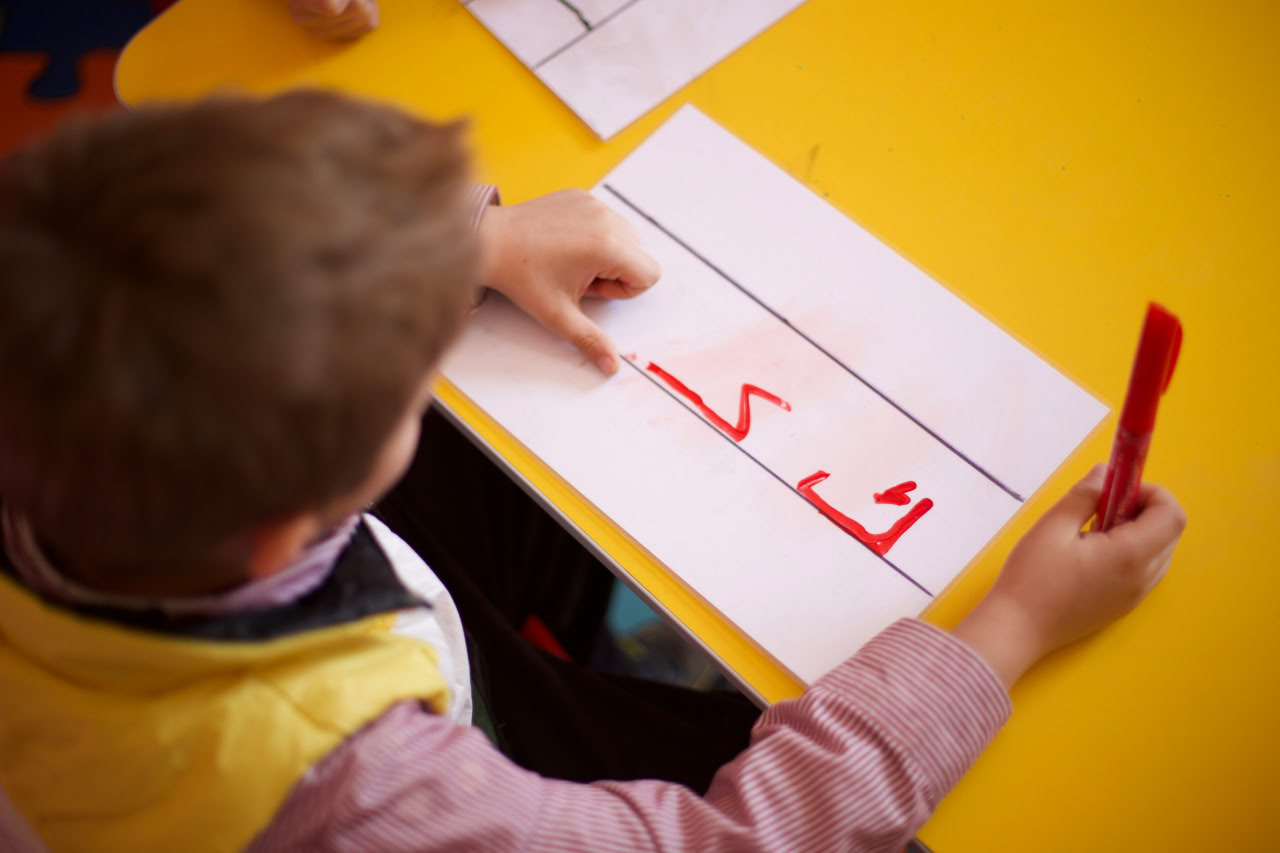
Introduction to GCSE Arabic
In today’s globalised world, understanding diverse languages is an essential skill, and the GCSE Arabic course offers students a profound opportunity to delve into the intricacies of the Arabic language.
GCSE Arabic provides learners with a comprehensive foundation in Modern Standard Arabic, preparing them for higher levels of language study and enhanced communication skills.
As a qualification recognised by numerous educational institutions, GCSE Arabic is designed to cultivate linguistic proficiency, cultural awareness, and analytical thinking.
This course is part of the Edexcel suite of languages, known for its rigorous standards and comprehensive assessment guidelines.
Students at Lady Evelyn Independent School studying this qualification will not only enhance their language skills but also gain a competitive edge in fields such as international relations, business, and translation.
The GCSE Arabic curriculum is structured to help students achieve fluency in speaking, reading, and writing, making them adept at both verbal and written communication.
With the growing importance of Arabic-speaking markets, particularly in global trade and diplomacy, studying GCSE Arabic opens doors to numerous career opportunities and cultural exchanges.
Our online platform offers engaging resources and a flexible learning environment, making Lady Evelyn Independent School a prime choice for students aiming to excel in their Arabic studies.
Furthermore, the course’s focus on language mastery ensures that students develop a strong understanding of grammar, syntax, and vocabulary, crucial for effective communication.
Enrolment in the GCSE Arabic programme at our school means students are equipped with the skills needed to excel in both academic and practical environments.
In conclusion, opting for GCSE Arabic at Lady Evelyn Independent School provides students with a route to success in both further education and diverse career paths.

Understanding the GCSE Arabic Course
The GCSE Arabic course is a comprehensive programme designed to develop students’ proficiency in Modern Standard Arabic.
At Lady Evelyn Independent School, the GCSE Arabic curriculum is tailored to equip learners with essential language skills, accommodating various levels from beginner to advanced.
By undertaking the GCSE Arabic course, students gain the necessary skills to effectively communicate, understand, and engage with Arabic-speaking environments, thus opening up numerous opportunities for further education and career prospects.
The structure of the GCSE Arabic course is meticulously crafted to balance foundational language skills with cultural insights.
Students are introduced to core components including grammar, vocabulary, and pronunciation, which form the basis of effective communication in Arabic.
The curriculum also emphasises listening, reading, writing, and speaking skills, ensuring that students can navigate diverse linguistic scenarios with confidence.
Moreover, the integration of cultural elements aids students in understanding the customs and traditions of Arabic-speaking countries, rendering the language learning experience more enriching.
A unique feature of the GCSE Arabic course is its modular approach, which allows learners to progress at their own pace while mastering distinct topics and themes.
Each module is purposefully designed to cover specific aspects of the language, such as formal and informal communication, and thematic vocabulary aligned with daily life contexts.
Assessment within the GCSE Arabic course is multifaceted, comprising examinations and coursework to evaluate students’ understanding and applied knowledge of the language.
This rigorous assessment framework not only measures linguistic competence but also serves as an indicator of progress, guiding further instructional strategy.
The Edexcel GCSE Arabic qualification is recognised internationally and is a testament to students’ dedication and expertise in the language.
Students at Lady Evelyn Independent School benefit from a supportive learning environment, with access to experienced tutors and a wealth of resources tailored to enhance their educational journey.
Understanding the intricacies of the GCSE Arabic course is crucial for making the most of the learning experience.
With a focus on real-world application and cultural literacy, the GCSE Arabic course prepares students for challenges and opportunities in an increasingly interconnected global landscape.
Enrol in the GCSE Arabic course at Lady Evelyn Independent School and embark on a transformative educational journey that extends beyond linguistic fluency to a profound appreciation of cultural diversity.
Benefits of Learning GCSE Arabic
Learning GCSE Arabic offers numerous advantages that extend far beyond the classroom, enhancing both personal and academic growth.
The GCSE Arabic course equips students with essential language skills, enabling them to speak, read, write, and understand Modern Standard Arabic, a key dialect used in formal communications and media across the Arabic-speaking world.
This linguistic competence is particularly beneficial in today’s globalised society where multilingualism is increasingly valued.
One of the primary benefits of mastering GCSE Arabic lies in its ability to significantly improve cognitive development.
Research has shown that language learning can enhance memory, problem-solving skills, and creative thinking abilities.
Thus, by engaging with the intricate structure and rich vocabulary of the Arabic language, students can cultivate advanced cognitive skills that aid their overall academic performance.
Moreover, GCSE Arabic opens up a myriad of opportunities in higher education and career prospects.
As Arabic is one of the United Nations’ six official languages, proficiency in Arabic can be an asset for careers in international relations, global business, and roles within governmental and non-governmental organisations.
For students planning to pursue further education, such as International Relations or Middle Eastern Studies, GCSE Arabic provides a robust foundation.
The cultural insights gained from learning Arabic also play a pivotal role in fostering cultural sensitivity and global awareness.
Understanding the nuances of Arabic-speaking cultures encourages students to appreciate diversity, promoting a broader worldview.
For students at Lady Evelyn Independent School, engaging with GCSE Arabic can be particularly rewarding, as it integrates cultural studies, enabling them to better appreciate the historical and sociocultural contexts of Arabic-speaking regions.
Additionally, achieving a good grade in GCSE Arabic is recognised as a valuable qualification by universities and employers alike, reflecting a student’s commitment, perseverance, and ability to tackle challenging subject matter.
This positive recognition can enhance a student’s academic portfolio, creating a competitive edge in future educational and professional environments.
In summary, learning GCSE Arabic provides students with a rich array of benefits, ranging from cognitive enhancements and cultural appreciation to expanded career and educational opportunities.
At Lady Evelyn Independent School, we are committed to providing top-tier education that prepares our students for success on this international stage.
Course Syllabus and Structure.
Understanding the GCSE Arabic course syllabus and structure is pivotal for students aiming to excel in this subject.
The GCSE Arabic curriculum offers a comprehensive framework designed to develop the language skills necessary for effective communication in Modern Standard Arabic.
At Lady Evelyn Independent School, we ensure that our courses align with the rigorous standards set by examination boards, such as Edexcel, to provide a robust learning experience.
The syllabus is divided into four key components: listening, speaking, reading, and writing.
Each component carries equal weight, accounting for 25% of the final grade, thereby providing a balanced assessment of thestudent’s’ proficiency in GCSE Arabic.
Listening
The listening module of the GCSE Arabic course allows students to develop their ability to understand and interpret spoken Arabic.
Through carefully crafted audio materials, students are exposed to various themes and contexts, improving their capacity to recognise different accents and dialects.
Incorporating both everyday and formal language, this component ensures that learners can navigate real-world conversations with confidence.
Speaking
The speaking component is crucial in evaluating the student’s ability to communicate fluently and effectively in Arabic.
During this part of the course, students participate in both prepared and spontaneous dialogues.
They are encouraged to express their opinions and ideas, covering diverse topics that range from personal interests to global issues.
These exercises aim to enhance students’ articulation and the ability to engage in meaningful discussions.
Reading
In the reading section, GCSE Arabic students are introduced to a wide array of texts, including short stories, articles, and formal documents.
The texts selected provide cultural insights and cover various genres that are essential in understanding the linguistic diversity of Arabic.
This component aims to build vocabulary, improve comprehension skills, and foster an appreciation for Arabic literature.
Writing
Finally, the writing component is designed to assess students’ ability to produce coherent and well-structured texts in Arabic.
Students undertake tasks that require them to write for different purposes and audiences, such as essays, letters, and reports.
Emphasis is placed on grammar, syntax, and lexicon, ensuring that students develop the skills to produce clear and accurate written Arabic.
By understanding the GCSE Arabic course syllabus and structure, students at Lady Evelyn Independent School can maximise their learning potential.
Our curriculum is structured to meet the diverse needs of learners, providing them with a solid foundation in the Arabic language, and equipping them with skills that are essential for further educational and professional opportunities.
Entry Requirements and How to Start
Embarking on the GCSE Arabic journey is an enriching endeavour that can open numerous opportunities for students interested in mastering a critical global language.
To gain a comprehensive understanding of the entry requirements and how to start your GCSE Arabic course, it’s important to consider several key components.
Firstly, the GCSE Arabic does not have extensive entry requirements, making it accessible for students with a range of prior knowledge and experience.
However, having a basic understanding of Modern Standard Arabic can be beneficial as the GCSE Arabic syllabus often builds on foundational language skills.
Schools or exam centres might suggest that students have a basic level of Arabic proficiency to ensure they can cope with the curriculum demands.
At Lady Evelyn Independent School, we welcome students from diverse language backgrounds and offer support to bridge any preliminary skills gaps.
Starting your journey with GCSE Arabic involves selecting a qualified exam centre or institution that offers the course, such as Lady Evelyn Independent School.
Our school provides structured pathways and tailored guidance to help students enrol in the course, integrating seamlessly into their academic curriculum.
The enrolment process includes registering for the GCSE Arabic examinations administered by accredited bodies like Edexcel, which is renowned for its rigorous and holistic language programs.
It’s important to note the registration deadlines for exam entries, which typically occur months in advance of the examination date.
Planning is crucial to ensure a smooth transition into the course and thorough preparation for the assessments.
To effectively begin the GCSE Arabic course, students should invest in the appropriate resources and textbooks, such as those suggested by their instructors or the examining body.
These materials are essential for navigating the different components of the syllabus, including grammar, vocabulary, and cultural contexts.
In addition, engaging with extracurricular resources, such as online language platforms, Arabic language apps, and interactive modules, can enrich the learning experience.
These resources provide practical exposure to the nuances of the Arabic language, supporting classroom learning with real-world applications.
Starting with GCSE Arabic at our school offers the advantage of personalised instruction from experienced tutors who are well-versed in the complexities of the language.
Combining scheduled lessons with self-directed study and utilising available resources can significantly enhance language acquisition and ensure a fruitful learning journey.
In summary, understanding the entry requirements and how to start the GCSE Arabic course involves careful consideration of language background, timely registration, and access to comprehensive study materials.
With the support of Lady Evelyn Independent School, students are well-equipped to excel in finally achieving a proficient level of Arabic, paving the way for future academic and professional success.
Assessment and Examination Process
The assessment and examination process for GCSE Arabic is meticulously designed to ensure students acquire a comprehensive grasp of the language.
Students are evaluated through a combination of written, oral, reading, and listening exams, each focusing on different aspects of the Arabic language.
The GCSE Arabic assessment is split into four key components, each of which carries equal weight, ensuring a balanced evaluation of all language skills.
The writing assessment challenges students to express themselves effectively in Arabic, demonstrating their mastery of grammar and vocabulary.
It includes structured tasks that require students to produce coherent texts, showcasing their ability to communicate ideas clearly in written form.
The oral examination is a critical part of the assessment process, where students engage in conversation with an examiner.
This component is designed to test students’ ability to speak Arabic fluently and confidently, assessing their pronunciation, intonation, and ability to interact in spoken dialogues.
For the listening assessment, students are tested on their ability to understand spoken Arabic in various contexts.
This part assesses their skill in interpreting information from audio sources, focusing on their ability to grasp the main ideas and specific details from spoken language.
The reading examination evaluates students’ comprehension skills through a series of texts, ranging from literary to informational.
Students must demonstrate their ability to understand written Arabic, interpret meanings, and extract information accurately from the text.
For students at Lady Evelyn Independent School, preparing for these assessments involves a structured approach, with resources and guidance tailored to maximise their potential in each examination component.
Our school provides numerous practice opportunities and resources, such as past papers and interactive modules, to ensure students are well-prepared.
Understanding the intricacies of the GCSE Arabic assessment process is essential for achieving high grades, and our specialised preparation is designed to enhance students’ proficiency in all aspects of the GCSE Arabic coursework.
Attention to these components ensures that our students not only succeed academically but also gain valuable language skills applicable to real-world scenarios.
Tips for Excelling in GCSE Arabic
Achieving excellence in GCSE Arabic requires strategic preparation and engagement with the language at various competency levels.
Here are some valuable tips to help you maximise your performance in Arabic GCSE, aiding language retention and mastery over time.
Firstly, consistent practice is crucial when preparing for GCSE Arabic.
Regularly engaging with the language, both spoken and written, helps to reinforce vocabulary and grammar rules.
Make time each day for reading Arabic texts, practising listening skills, and speaking the language.
Align your practice with the GCSE Arabic curriculum to ensure you are meeting course requirements and focusing on relevant themes.
Secondly, utilise a variety of resources to strengthen your understanding.
Consider incorporating textbooks, online courses, and language apps into your study routine.
These resources can offer diverse perspectives and practice opportunities crucial for deep comprehension in GCSE Arabic.
Online platforms often have interactive content that can enhance your learning experience by providing instant feedback and context-rich materials.
Additionally, practice past examination papers to familiarise yourself with the exam format and question styles in GCSE Arabic.
Taking timed tests can improve your time management skills and reduce exam day anxiety.
Look for common question patterns and practice writing structured responses to improve clarity and conciseness.
Engage with a language community to enrich your learning experience.
Join Arabic language forums and engage in conversations with native speakers or other students preparing for GCSE Arabic.
This interaction can provide you with real-world language exposure, helping you apply the skills learned in a classroom setting to practical situations.
Finally, consider working with a tutor or joining study groups.
A tutor can offer personalised guidance and tailor lessons according to your individual needs in GCSE Arabic.
Study groups, on the other hand, can provide collaborative learning experiences and support through peer evaluations and discussions.
By following these tips, you will build a solid foundation to excel in GCSE Arabic, enhancing both your knowledge and confidence.
As part of the Lady Evelyn Independent School’s commitment to providing top-tier education, we encourage leveraging these strategies to achieve a commendable grade in GCSE Arabic.
Resources and Study Materials
The availability of quality resources and study materials is crucial for succeeding in the GCSE Arabic course.
To optimise learning outcomes, students are encouraged to utilise a variety of materials that cater to the different components of the GCSE Arabic syllabus.
A well-rounded approach includes textbooks, online resources, past exam papers, and language practice tools.
Textbooks specifically designed for the GCSE Arabic curriculum provide structured content that aligns with examination requirements.
These books often include comprehensive grammar explanations, vocabulary lists, and practice exercises that are essential for gaining proficiency in Modern Standard Arabic.
In addition to textbooks, online platforms offer a wealth of interactive resources that can supplement textbook learning.
Websites dedicated to the Arabic GCSE syllabus often provide downloadable materials, video tutorials, and quizzes that provide valuable practice for both listening and speaking components.
Using past exam papers is another effective strategy for preparing for the GCSE Arabic assessments.
These papers offer insights into the format and type of questions that are likely to appear, allowing students to familiarise themselves with time management during the exams.
Moreover, engaging in regular practice with past papers helps in identifying areas that require further attention, thus strengthening exam techniques.
Language practice tools, such as mobile applications and language exchange platforms, offer dynamic methods for enhancing Arabic skills outside the traditional study setting.
These tools often feature interactive exercises that improve speaking and listening skills, essential competencies for the GCSE Arabic course.
Finally, for students enrolled at Lady Evelyn Independent School, our online library also includes recommended readings and access to exclusive Arabic tutoring sessions that focus on key aspects of the GCSE Arabic requirements.
By diversifying study materials and resources, students can deepen their understanding of the language, enriching their overall learning experience and paving the way to achieving a high grade in GCSE Arabic.
Why Choose Edexcel for GCSE Arabic?
Choosing Edexcel for the GCSE Arabic is a decision that offers numerous benefits to students aiming for academic success and proficiency in Modern Standard Arabic.
Edexcel’s GCSE Arabic qualification is highly recognised and respected, ensuring that your language skills are acknowledged both nationally and internationally.
The course provides an excellent framework that supports learners in developing their speaking, listening, reading, and writing abilities, essential components for mastering the Arabic language.
One of the key reasons to opt for Edexcel is its focus on comprehensive assessment.
The GCSE Arabic examination structure under Edexcel is designed to evaluate students holistically.
It covers a plethora of themes and topics, encouraging students to apply their language knowledge in real-world scenarios, thereby nurturing practical communication skills.
Moreover, Edexcel provides a range of resources to enhance the learning experience.
These resources include textbooks, online materials, and past papers, allowing students to gain insight into examination styles and expectations, which is crucial for effective preparation.
Edexcel’s commitment to student success is evident in its support system, which includes detailed guidance and feedback from moderate-examination processes, helping learners understand their strengths and areas for improvement.
Additionally, Edexcel’s flexibility in entry timings and assessment dates caters to various learning paces, making it accessible for students with different educational needs and schedules.
The structured yet adaptable nature of Edexcel’s GCSE Arabic makes it an attractive choice for both schools and independent candidates seeking a robust qualification.
By choosing Edexcel, students at Lady Evelyn Independent School are assured a well-rounded and effective Arabic education that aligns with global standards, preparing them for further linguistic and cultural explorations.
Conclusion: Advancing with GCSE Arabic
Undertaking the GCSE Arabic course is a vital step toward mastering the Arabic language and gaining a deeper understanding of Arabic culture.
As an academically rigorous programme, GCSE Arabic offers students a unique opportunity to develop comprehensive language skills that are highly sought after both academically and professionally.
At Lady Evelyn Independent School, we recognise the importance of equipping students with language skills that enable them to engage confidently in a multicultural world.
Completing the GCSE Arabic provides students with a recognised qualification that can open doors to higher education and career paths, especially in fields where multilingual communication is an asset.
The journey of learning and mastering Arabic through the GCSE programme is both challenging and rewarding, and it serves as a strong foundation for further language study or practical use in various contexts.
Choosing GCSE Arabic is not just about acquiring a language skill; it’s about preparing for a future where cross-cultural communication is increasingly essential.
Engaging with GCSE Arabic allows students to embrace diverse perspectives and think critically, attributes that are invaluable in today’s globalised society.
At Lady Evelyn Independent School, our commitment is to guide students through this enriching educational experience, ensuring they emerge well-prepared to utilise their language skills in any future endeavour they choose to pursue.
