



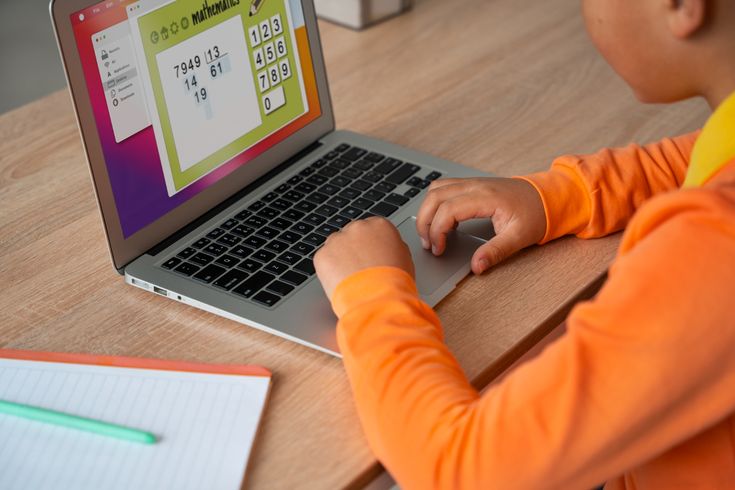
Introduction to Homeschooling in South Carolina
Home school programs in South Carolina have transformed significantly, offering diverse opportunities for families seeking customised education pathways.
In South Carolina, homeschooling has grown in popularity due to the flexibility it offers to the parent and the child.
Parents have the freedom to tailor the curriculum to fit their child’s unique learning needs, ensuring an education that is both comprehensive and personal.
Homeschooling in this state is governed by specific laws and requirements, making it essential to understand the legal aspects before embarking on this educational journey.
South Carolina’s homeschooling community is vibrant, supported by various homeschool associations and accountability groups that provide guidance and resources.
These associations not only assist parents in meeting the state’s regulations but also enrich the homeschool experience through access to curriculum material, field trips, and social interactions.
Moreover, homeschooling offers an opportunity to instil Christian values and other ethical teachings consistently within the family unit.
South Carolina provides several options for parents to choose from when starting a home school program.
Among these are enrolling in the South Carolina Association of Independent Home Schools (SCAIHS), joining a homeschool association with at least 50 member families, or following the homeschool statute under the district’s supervision.
Each option has its own set of requirements and benefits, adding to the flexibility and customisation available in a homeschool setting.
Understanding these pathways is crucial for creating a successful educational experience for students.
As the number of homeschooled students rises, so too does the availability of resources and support.
South Carolina offers a plethora of homeschooling groups and co-ops that facilitate a more engaged and interactive learning environment.
Parents seeking to homeschool in South Carolina will find that the thriving community, combined with the state’s supportive legislation, serves as a solid foundation for educational success.
This landscape perpetuates an adaptable and engaging learning experience that embraces both academic rigour and family values.
Understanding South Carolina Homeschool Laws
Navigating the home school programs in South Carolina requires a comprehensive understanding of the state’s homeschool laws.
These laws are designed to offer flexibility to parents while ensuring that homeschool education meets statutory requirements.
South Carolina’s homeschool laws provide three distinct options, giving parents the freedom to choose the most appropriate path for their child’s education.
The first option involves homeschooling under the homeschool statute, also known as “Option 1.”
This approach necessitates approval from the district’s board of trustees, mandating that parents teach a standard curriculum for at least 180 days per year.
A record of subjects taught, attendance, and educational progress must be maintained, along with a semiannual progress report submitted to the board.
The second option allows parents to join the South Carolina Association of Independent Home Schools (SCAIHS).
SCAIHS membership not only streamlines compliance with state laws but also provides access to extensive support and resources, which can be highly beneficial in tailoring the curriculum to the unique needs of each child.
The third option involves enrolment in a homeschool association with at least 50 member families.
Such associations often offer tailored guidance and accountability, enhancing the homeschooling experience in South Carolina.
Being part of a larger community provides networking opportunities and access to shared resources, enriching both the students and the parents’ homeschooling journey.
Compliance with these legal options ensures that home school programs in South Carolina can operate within the law, safeguarding the educational standards while allowing personalisation and flexibility.
Parents should additionally ensure that their chosen option meets all teaching, record-keeping, and assessment requirements to maintain legal status.
Ultimately, understanding these legal frameworks equips families with the necessary tools to successfully implement a homeschool program in South Carolina, ensuring academic success and legal compliance.

Choosing the Right Homeschool Option
When embarking on the journey of educating your child through home school programs in South Carolina, making an informed decision on the best homeschool option is imperative.
South Carolina offers several pathways for parents to legally homeschool their children, each fostering unique benefits and requirements.
Understanding these options will ensure that the choice aligns with your family’s educational goals and legal responsibilities.
South Carolina’s homeschooling landscape is defined by three distinct options.
The first is to enrol in the South Carolina Association of Independent Home Schools (SCAIHS).
This option is favoured for its comprehensive support system, offering curriculum guidance, record-keeping, and access to online resources for families who seek a structured approach.
SCAIHS provides a robust framework, ensuring that both student and parent maintain the required educational standards.
The second option is to join a homeschool association containing at least 50 member families, commonly referred to as the “50-Member Group.”
These organisations provide a degree of flexibility while also ensuring compliance with state regulations.
They often offer additional resources such as group activities and social events, which can be instrumental in a child’s social development.
The third and final route involves homeschooling under South Carolina’s homeschool statute, often considered direct homeschooling.
This option grants parents the most freedom but also demands adherence to more stringent requirements.
Parents must maintain records, submit semi-annual progress reports, and ensure their child engages with a substantial curriculum, including essential subjects such as science and history.
Choosing the right option is greatly influenced by various factors, including your child’s learning style, family dynamics, and educational philosophy.
Parents should carefully evaluate the resources and support each option offers.
Contacting local homeschool groups, attending informational sessions, and consulting experienced homeschooling parents can provide valuable insights.
At Thomas Keith Independent School, we encourage parents to seek an option that not only complies with legal requirements but also matches their personal educational goals.
The right choice will empower your student to thrive in their educational journey, unlocking their unique potential through quality home school programs in South Carolina.
Curriculum and Resources for South Carolina Homeschoolers
In the diverse landscape of home school programs in South Carolina, selecting the right curriculum and resources is crucial for educational success.
Understanding the specific requirements and available materials will help families tailor learning experiences to suit their child’s unique needs.
This approach enables students to thrive academically and personally.
South Carolina homeschoolers have access to a variety of curriculum options.
Each comes with its own set of instructional methods and educational philosophies.
Parents can select from established programmes, such as those offered by national organisations, or opt for personalised, eclectic approaches that combine different resources.
The freedom to choose allows families to incorporate specific values and priorities into their home education model.
For subjects such as science and history, options abound, including online curricula, hands-on projects, and unit studies.
Home school programs in South Carolina are particularly resourceful in offering thematic lessons that bring real-world relevance into the home classroom.
Utilising local resources, like museums and cultural events, can further enrich these topics and stimulate student engagement.
In addition to core subjects, the inclusion of extracurricular activities and field trips is vital.
South Carolina homeschoolers can enjoy visits to educational destinations such as the Myrtle Beach Aquarium or the historic sites in Charleston.
These experiences complement academic learning with practical, real-world insights.
Maintaining a balance between structured learning and creative exploration helps students develop a comprehensive skill set.
Record-keeping is an essential component of South Carolina homeschooling, especially for compliance and academic progression.
Parents must ensure that documentation covers attendance, subjects taught, and the student’s progress.
This systematic record not only satisfies state requirements but also serves as a reflective tool that can assist in adjusting teaching methods and materials to better meet the students’ evolving needs.
South Carolina’s homeschooling landscape is both rich and supportive.
Numerous online platforms, such as Time4Learning, offer flexible learning schedules that can adapt to any home environment.
These platforms often include assessments and progress reports that help monitor and tailor the student’s educational journey.
The wide array of home school programs in South Carolina offers along with a robust network of support groups, co-ops, and accountability associations, ensures that no family should feel isolated in their homeschooling endeavour.
Resources are readily available to guide, support, and inspire.
In this dynamic educational environment, students are not only learning but thriving.
The Role of Homeschool Associations
In the landscape of home school programs in South Carolina, homeschool associations play a pivotal role.
These associations provide essential support and structure for families choosing to educate outside the traditional school system.
By enrolling in a homeschool association in South Carolina, parents and students gain access to a wealth of resources, ensuring compliance with the state’s homeschooling laws.
Homeschool associations in South Carolina offer an array of services designed to guide parents through the homeschooling process.
They serve as a bridge between the family and the educational requirements mandated by the state.
For instance, associations like the South Carolina Association of Independent Home Schools (SCAIHS) provide curriculum guidance, record-keeping support, and legal compliance assistance.
These groups are invaluable for parents who might be overwhelmed by the legal and administrative aspects of homeschooling.
Accountability is another crucial aspect provided by homeschool associations.
By joining an association with at least 50-member families, parents can ensure they meet South Carolina’s legal requirements for homeschooling.
These organisations often require regular updates and progress reports, which can help maintain educational standards and provide peace of mind for the parents.
Homeschool associations also foster a community spirit by organising events, workshops, and co-ops.
This sense of community is vital for both parents and children, offering opportunities for socialisation and shared learning experiences.
Networking with other homeschooling families can provide support, exchange of ideas, and innovative educational methods.
In conclusion, homeschool associations in South Carolina are integral to the successful implementation of home school programs.
They ensure that families not only meet legal obligations but also enjoy a supportive, enriching educational experience that benefits both students and parents.
Field Trips and Extracurricular Activities
Field trips and extracurricular activities play a critical role in home school programs in South Carolina, offering diverse learning experiences beyond the traditional curriculum.
These activities enrich students’ education, fostering skills that are essential for personal and academic growth.
Home school programs in South Carolina are in a unique position to integrate field trips flexibly due to the personalised nature of homeschooling.
Field trips serve as a vital component in providing experiential learning to children.
Destinations such as the Myrtle Beach Aquarium and the EdVenture Children’s Museum in Columbia offer interactive experiences that cater to both primary and secondary students.
These locations provide practical, hands-on learning opportunities that are instrumental in reinforcing concepts taught in subjects like science and history.
Extracurricular activities extend learning beyond academics by enabling children to explore interests in arts, sports, and community service.
Participating in such activities helps build leadership skills, teamwork, and resilience.
Homeschooling families often collaborate through homeschool groups and co-ops for organising field trips and activities, ensuring that the children benefit from social interactions and peer involvement.
In South Carolina, numerous homeschool associations facilitate access to a range of resources for planning these enriching experiences.
Associations often offer guidance and organise group trips, which can be more cost-effective and logistically simpler for families.
Ultimately, the flexibility provided by home school programs in South Carolina encourages a comprehensive education approach, combining academics with a fulfilling array of field trips and extracurricular activities.
These experiences are integral in nurturing well-rounded individuals ready to thrive in their future pursuits. F
Record-Keeping and Documentation
Effective record-keeping and comprehensive documentation are fundamental components of successful home school programs in South Carolina.
Keeping meticulous records not only ensures compliance with South Carolina homeschooling laws but also aids in tracking a student’s progress and achievements.
The requirement for maintaining accurate records is a crucial aspect that home-schooling families must adhere to in the state.
Records typically include attendance, subjects taught, and examples of student work, ensuring that each learner meets the academic standards expected in the South Carolina home school programs.
Parents are generally required to keep detailed documentation, which includes progress reports and evaluations, to demonstrate a child’s advancement in their educational journey.
These records are vital when transitioning to public or private schooling, as they provide a documented history of the student’s academic achievements.
Maintaining records also supports parents in tailoring the curriculum to meet the unique needs of their children, ensuring that each student’s education is as personalised and effective as possible.
Additionally, thorough documentation can assist in preparing for annual assessments or standardised tests, which are often part of the home school programs in South Carolina.
Families can leverage digital tools and applications to simplify the documentation process, making it easier to update and access records.
Parents need to understand what is required under the South Carolina homeschool statute or through member associations like SCAIHS.
By staying organised and diligent with record-keeping, families can ensure their chosen homeschool program is both successful and compliant with state regulations.
At Thomas Keith Independent School, we offer guidance and support to our families, helping them navigate the complexities of record-keeping in South Carolina’s homeschool programs.
Support and Guidance for Homeschooling Families
In the realm of home school programs in South Carolina, providing adequate support and guidance for homeschooling families is paramount to ensuring a successful educational experience for both parents and students.
The role of support systems cannot be overstated, as they offer essential advice, resources, and community connections indispensable for homeschooling success.
One of the most effective ways South Carolina homeschool families receive support is through homeschool associations.
These entities, like the South Carolina Association of Independent Home Schools (SCAIHS), provide comprehensive guidance on curriculum development, record-keeping, and legal compliance.
Such associations act as a bridge, helping parents understand homeschooling requirements while offering them much-needed assurance.
Guidance in homeschooling also extends to the wealth of resources available online.
Platforms like Time4Learning and Power Homeschool offer structured curricula and substantial resources specifically tailored for South Carolina standards.
These resources serve to enrich the learning experience and cater to the unique educational needs of each child.
In the context of support, the emphasis is often on the importance of community.
Homeschool groups and co-op networks provide an interactive forum for families to share experiences, educational strategies, and social activities.
Such collaboration not only enhances the learning environment but also helps parents develop more creative and flexible learning plans suited to their family’s educational philosophy.
Furthermore, parents in South Carolina can access various online forums and social media groups dedicated to homeschooling.
These platforms enable real-time interaction where concerns can be addressed promptly and advice dispensed freely.
In conclusion, the infrastructure of home school programs in South Carolina is fortified by a well-rounded support system.
By leveraging these resources and guidance pathways, homeschooling families can unlock their full educational potential and foster an enriching, comprehensive learning journey for their children.
Conclusion: Thriving as a Homeschool Family in South Carolina
Home school programs in South Carolina offer a robust framework for families aiming to provide a tailored education for their children.
Embracing homeschooling allows families to customise the learning experience to fit the unique needs of each child, fostering both academic and personal growth.
By utilising resources and support networks, families can ensure that their homeschool programs are engaging and effective.
The flexibility inherent in home school programs in South Carolina ensures that all unique learner requirements are met, contributing to an enriched educational experience.
Families are encouraged to make use of the many homeschool associations and resources available in South Carolina to their advantage.
Overall, the ability to adapt and personalise the curriculum, combined with legal compliance and support systems, allows homeschooling families in South Carolina not just to meet educational standards but to exceed them.
This tailored approach is key to thriving and enjoying the full benefits of homeschool programs South Carolina has to offer.
