





Introduction to GCSE Humanities
The study of humanities GCSE offers a unique opportunity for pupils to engage with a diverse range of subjects that explore human culture, history, and society.
At Thomas Keith Independent School, we understand the importance of effective humanities GCSE revision for academic success.
This subject encompasses various disciplines, including history, geography, religious studies, and elements of social sciences.
Each discipline provides insights into the world, helping students to develop critical thinking and analytical skills.
Understanding the humanities at GCSE level is not merely about memorising facts.
It requires an analytical perspective to interpret historical events, geographical patterns, and cultural developments.
History, as a core component of humanities, invites students to analyse past events that shape our contemporary world.
Similarly, geography enhances pupils’ understanding of the physical world and human interactions with the environment.
Religious studies introduce students to diverse belief systems, offering an appreciation for cultural and spiritual diversity.
The interdisciplinary nature of humanities GCSE ensures that students are well-rounded in their knowledge and understanding.
To maximise their potential, students should employ a variety of revision techniques, such as engaging with online resources, attending study sessions, and utilising revision guides.
Effective humanities GCSE revision not only prepares pupils for examinations but also nurtures their intellectual curiosity and lifelong learning skills.
This comprehensive approach to learning is intended to equip students with robust educational foundations, preparing them for further studies and future careers.
At Thomas Keith Independent School, we aim to support each pupil’s journey through tailored educational resources and expert guidance, ensuring success in humanities GCSE and beyond.
Teachers encourage students to question, analyse, and engage with content critically, fostering a classroom environment that values inquiry and discovery.
This commitment to educational excellence positions our students to excel in their examinations and beyond, building the skills necessary for success in both academic and personal spheres.
Understanding and applying knowledge across the humanities is an invaluable asset that shapes informed, thoughtful global citizens.
Our educational model prioritises these competencies, ensuring humanities students not only succeed academically but also contribute positively to the world around them.
Key Topics in GCSE History
For students engaging in humanities GCSE revision, understanding the core topics in GCSE History is essential for academic success.
The GCSE History curriculum provides a rich tapestry of events and developments which have shaped the modern world.
One of the central topics is the study of Weimar and Nazi Germany from 1918 to 1939.
This unit explores the tumultuous period following World War I, the rise of the Nazi Party, and the consequential impacts on German society.
It is crucial to understand the social and economic factors that contributed to Hitler’s ascent to power during your humanities GCSE revision.
Another significant topic is the history of medicine in Britain from c1250 to the present day.
This topic allows students to examine how medical practices and public health policies have evolved.
An analytical approach to this subject is to consider how historical pandemics and medical advancements have influenced current healthcare systems.
Moreover, students will delve into the complex relations during the Cold War era, studying how superpowers like the USA and the USSR navigated political tension without escalating into direct conflict.
Analysing these topics encourages students to consider the impact of geopolitical strategies and diplomacy.
GCSE History also covers Elizabethan England, focusing on the cultural and political developments during the reign of Queen Elizabeth I.
Understanding this period involves examining key figures, such as Elizabeth herself, as well as major events like the Spanish Armada.
When embarking on humanities GCSE revision, it’s important to contextualise these historical narratives within broader global histories.
At Thomas Keith Independent School, our approach encourages students to connect historical events to current world affairs, fostering a deep, analytical understanding of the past.
By engaging thoroughly with these key topics, students not only enhance their knowledge for exams but also develop valuable critical thinking skills.
Ensuring a structured approach to revision by focusing on these pivotal historical moments can greatly optimise the humanities GCSE revision process.

Effective Revision Strategies
When it comes to humanities GCSE revision, employing effective revision strategies is crucial to success.
At Thomas Keith Independent School, we understand the importance of structured revision methods to maximise student achievement in humanities subjects.
Developing a comprehensive revision timetable is the first step in ensuring consistent study habits.
A well-planned timetable allocates dedicated slots for each subject, allowing for a balanced approach that prevents burnout and promotes consistent retention of information.
Active engagement with the material is essential in humanities GCSE revision.
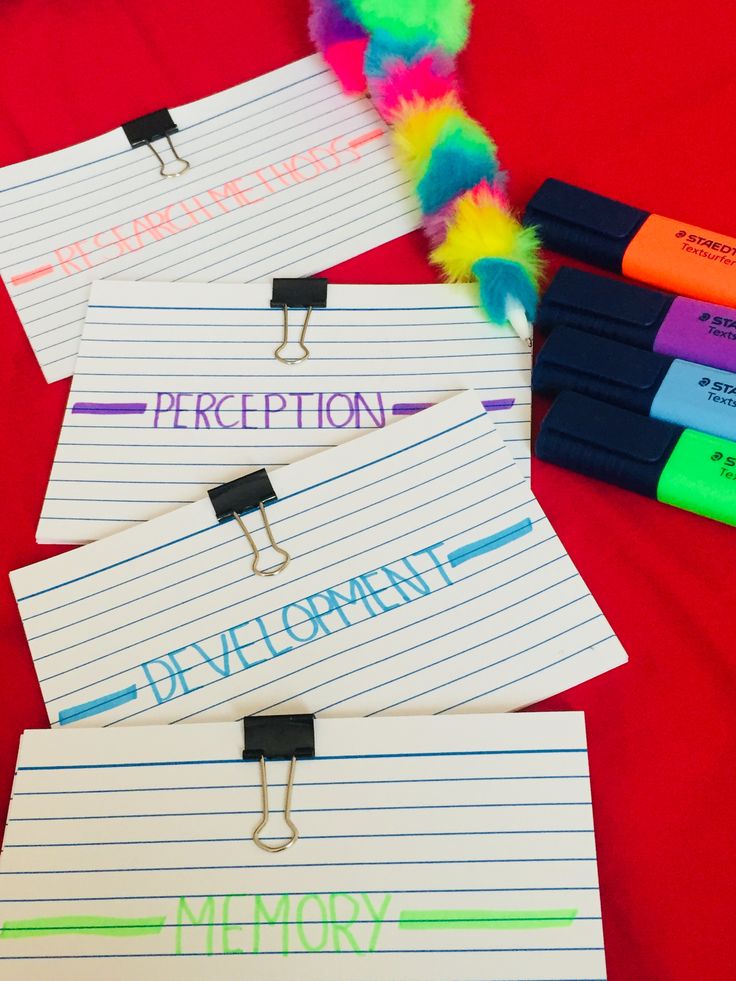
One highly recommended technique is the use of revision cards or flashcards.
These tools help in reinforcing key concepts and enable quick reviews, crucial in subjects like history and geography where detail memorisation is important.
Transforming notes into visual aids such as mind maps or diagrams can further enhance memory retention.
These visual tools are particularly effective in illustrating connections between different historical events or geographical concepts, simplifying complex topics into more digestible formats.
The practice of past papers is another fundamental strategy that cannot be overlooked.
Past papers provide insights into the exam format and help students familiarise themselves with the types of questions they might encounter.
This practice not only builds confidence but also improves time management skills, critical under exam conditions.
Utilising online resources is an increasingly prevalent strategy in modern GCSE revision.
Platforms offering interactive quizzes and video tutorials can complement traditional study methods, especially for students who benefit from varied learning approaches.
At Thomas Keith Independent School, we encourage students to leverage digital resources for a holistic learning experience.
Regular self-assessment through quizzes is vital to gauge progress and identify areas where further study is needed.
By keeping track of their performance, students can focus their efforts on weak spots, thereby enhancing their overall command of the subject.
Finally, incorporating breaks and recreational activities into revision schedules is essential.
Science shows that the brain requires rest to function optimally, making it important to balance study with leisure.
Incorporating these effective revision strategies will undoubtedly lead to a more confident and well-prepared approach to humanities GCSE examinations.
Utilizing Online Resources
In today’s digital age, online resources are invaluable for humanities GCSE revision.
Leveraging digital tools and platforms can significantly enhance a student’s preparation for their exams.
The wealth of resources available online provides students with the flexibility to customise their study approaches, catering to individual learning preferences.
Websites such as BBC Bitesize and educational platforms like Seneca Learning offer a plethora of subject-specific content, from detailed notes to interactive quizzes.
Students can access revision material tailored to the specifications of various examination boards, such as AQA, Edexcel, and OCR.
This ensures that learners focus on relevant content and effectively align their preparation efforts with exam expectations.
Video content from online educators and YouTube creators further supports humanities GCSE revision.
Platforms like Khan Academy offer visual and auditory learners unique ways to grasp complex concepts.
Videos can break down historical events or geographical phenomena into manageable segments, aiding retention and understanding.
Moreover, online forums like The Student Room provide students with a space to discuss topics and query difficult concepts.
Engaging in discussions with peers across the UK can lead to a deeper understanding and allow students to view topics from various perspectives.
Additionally, flashcard apps such as Quizlet facilitate active recall and spaced repetition—two highly effective revision strategies.
By utilising these platforms, students can test their knowledge on the go and build long-term retention of key terms and dates.
To maximise results, students should integrate online resources into a structured revision plan.
Combining traditional study methods, such as reading textbooks and taking notes, with digital resources, ensures a balanced approach.
At Thomas Keith Independent School, we encourage our students to embrace the full spectrum of modern learning tools available for humanities GCSE revision.
This multi-faceted approach not only fosters a greater understanding of the subject matter but also instils digital literacy skills essential for future academic and professional pursuits.
Recommended Revision Guides and Books
In the realm of humanities GCSE revision, selecting the right revision guides and books is crucial for effective study.
These resources provide structured content and practice exercises that align with exam specifications, aiding students in consolidating their knowledge.
One of the most recommended series for humanities GCSE revision is the CGP range.
CGP Books are renowned for their clear, concise, and engaging presentation of content.
Their GCSE Geography and History revision guides are particularly notable for including online editions and practice quizzes that reinforce learning.
For History, both Edexcel and AQA offer topic-specific guides that delve into periods such as Weimar and Nazi Germany, the American West, and Elizabethan England.
These guides help students focus on pivotal events and themes necessary for the exams.
In Geography, AQA and Edexcel B revision guides provide comprehensive coverage, bolstered by enhanced digital resources such as videos and interactive quizzes.
Moreover, they feature exam practice workbooks that include model answers, assisting students in understanding exam question patterns and effectively structuring their responses.
Incorporating these revision guides into your study routine can significantly enhance your humanities GCSE revision.
They offer not only content review but also facilitate the application of knowledge through practice questions and mock exams, which are integral to achieving academic success.
For students at Thomas Keith Independent School, leveraging these resources can bridge the gap between classroom learning and individual study, ensuring a holistic approach to humanities examination preparation.
Interactive Learning with Quizzes and Videos
Interactive learning with quizzes and videos can significantly enhance your humanities GCSE revision.
This approach not only engages students but also deepens their understanding of complex subjects.
Quizzes serve as an excellent tool to reinforce knowledge by offering a self-assessment mechanism that highlights areas of strength and those requiring improvement.
For humanities subjects like history and geography, quizzes can cover a range of topics from primary events to detailed case studies.
Videos, on the other hand, provide a dynamic way to explore humanities topics.
Visual storytelling helps to illustrate historical events or geographical phenomena, making them more relatable and easier to recall.
By incorporating multimedia elements, videos can break the monotony of traditional study methods and offer varied perspectives through interviews, documentaries, and animated explainers.
Incorporating quizzes after videos ensures that students retain the information they have viewed, promoting active learning.
At Thomas Keith Independent School, we acknowledge the benefits of interactive learning in the humanities GCSE revision process.
We encourage students to use platforms that offer comprehensive quizzes aligned with the curriculum, such as CGP Books and BBC Bitesize, which provide tailored content specifically designed for GCSE students.
These resources, equipped with both quizzes and videos, engage students effectively, enabling them to approach their exams with confidence.
It’s also essential for students to engage with timed quizzes for real exam simulation.
Practising under exam conditions not only helps in better time management but also reduces anxiety on the actual exam day.
Quizzes with immediate feedback allow students to rectify their mistakes and understand their misconceptions.
Furthermore, educational videos found on platforms like YouTube or within online learning portals offer global insights and real-world applications for humanities concepts.
This method of learning plays a crucial role in broadening the student’s perspective, as it provides context beyond textbooks.
Aligning these interactive methods with traditional study techniques ensures a balanced and comprehensive preparation strategy for humanities GCSE revision.
Balancing Humanities with Other Subjects
Effectively balancing humanities GCSE revision with other subjects is a critical strategy for any student aiming to excel across the board.
At Thomas Keith Independent School, we believe in a holistic approach to learning that integrates unique strategies tailored to the humanities alongside other academic subjects.
It is essential to allocate dedicated study time for each subject, ensuring that humanities revision fits seamlessly into your overall study schedule.
Creating a balanced revision timetable can help in managing time effectively.
This enables you to focus sufficiently on humanities while not compromising on other core subjects like Mathematics, Science, or English.
Using planners or digital tools can be extremely useful in tracking these study sessions.
For humanities subjects, incorporating a range of revision techniques such as mind maps and flashcards can enhance memory retention.
These techniques often complement the linear and problem-solving skills required in subjects like Mathematics and Science.
In addition, practising past papers across all subjects allows students to apply knowledge in varying contexts, which is particularly beneficial for humanities exams that often require analytical and essay-based answers.
Moreover, the integration of interdisciplinary learning can enhance the understanding of humanities contexts.
For example, linking historical events with their geographical implications or examining the societal impact through literature contributes to a more comprehensive grasp of content.
By maintaining a balanced approach, students can reduce overall stress and build diverse skill sets that are valuable for further education and personal development.
It is advisable to regularly review and adjust the revision plan to accommodate changing needs and priorities throughout the academic year.
Through disciplined planning and a strategic approach, humanities GCSE revision can be seamlessly integrated with other subjects to create a well-rounded and thorough academic experience.
Conclusion: Preparing for Success in GCSE Humanities
Achieving success in humanities GCSE revision requires a strategic approach and dedication.
By focusing on the humanities GCSE revision process, students can effectively cover a wide range of topics, enhancing their understanding of history, geography, and religious studies.
To excel, it’s crucial to start your revision early, allowing ample time to revisit challenging areas.
Incorporating a variety of resources can significantly boost your humanities GCSE revision efforts.
Utilising recommended textbooks, online resources, and educational websites will provide a comprehensive understanding of the subject matter.
Furthermore, practising past papers and engaging with interactive quizzes can help identify knowledge gaps and reinforce learning.
At Thomas Keith Independent School, we encourage students to develop a structured revision plan, balancing humanities with other subjects to ensure a holistic academic experience.
Remember, consistent effort and a positive mindset are key to successful outcomes.
By committing to these strategies, students will be well-prepared to embrace the challenges and opportunities of GCSE humanities.
