




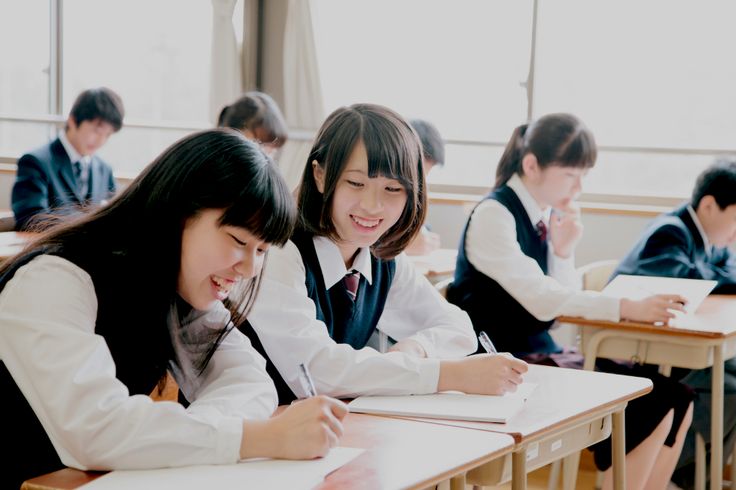
Introduction to IB Schools in Japan
IB schools in Japan offer a unique educational experience that aligns with international standards and fosters a global outlook among students.
The International Baccalaureate (IB) programme is recognised worldwide for its rigorous assessment methodology and comprehensive curriculum.
This programme is designed to cater to the differing needs of students at various stages of their education, from primary to career-related studies.
In Japan, IB schools are strategically established to serve an increasing demand for globally recognised education frameworks.
Both local and international students benefit from the holistic development approach that IB schools in Japan provide.
Through an emphasis on inquiry, action, and reflection, students are encouraged to engage deeply with the subject material.
The candidate schools for the IB programme in Japan work closely with authorised organisations to adhere to strict academic standards.
The process of becoming an authorised IB world school involves rigorous evaluation and continuous improvement efforts to maintain the quality of education.
This ensures that schools in Japan offer the IB curriculum designed to meet the expectations of an ever-evolving global education landscape.
The integration of the IB programme into the Japanese educational system represents a progressive adaptation to international norms.
It provides opportunities for students to interact and collaborate with peers around the world, promoting cultural exchange and understanding.
Membership in the IB network also supports professional development for educators, as teachers are provided avenues to enhance their teaching methods through workshops and collaborative initiatives.
As a hub of educational innovation, Japan’s IB schools are integral in shaping students who are not only academically proficient but also socially and ethically conscious.
The schools strive to instil a sense of responsibility towards improving the community and building a better world, in line with the core values of the International Baccalaureate mission.
In conclusion, IB schools in Japan are pivotal in providing a bridge between local education systems and international capabilities.
They play an essential role in preparing students for the demands of higher education and a competitive global workforce.
By offering the IB curriculum, these schools contribute significantly to Japan’s educational landscape and its aspirations towards internationalisation.

The Purpose and Benefits of the IB Programme
The International Baccalaureate (IB) Programme, renowned in IB schools in Japan and worldwide, is designed to offer a holistic and internationally recognised educational framework that fosters critical thinking and intercultural understanding.
The primary purpose of the IB Programme is to develop inquiring, knowledgeable, and caring young people who are motivated to succeed.
This objective aligns seamlessly with the ethos of IB schools in Japan, which strive to cultivate a global perspective among their students.
IB schools in Japan enjoy numerous benefits from implementing the IB Programme.
Firstly, the programme is structured to provide a well-rounded education.
It includes comprehensive subjects aimed at developing a student’s intellectual, personal, emotional, and social skills.
This broad curriculum is suitable not only for academic success but also for personal growth, a principle highly valued by IB schools in Japan.
Moreover, the IB education framework supports students in becoming lifelong learners, a philosophy that enhances their readiness for higher education and career opportunities on an international scale.
Another significant benefit that IB schools in Japan reap is the structured progression through the IB’s Primary Years Programme, Middle Years Programme, and Diploma Programme.
This sequence ensures continuity and a deepened understanding of academic disciplines as students advance through different educational stages.
Through its emphasis on inquiry-based learning and its rich network of educators and learners, the IB Programme encourages students to engage with global issues critically and creatively.
IB schools in Japan specifically value these aspects as they instil an appreciation for diverse cultures and multilingual proficiency, which are crucial competencies in today’s interconnected world.
The IB Programme also offers substantial professional development opportunities for teachers.
This fosters a highly skilled teaching staff capable of delivering high-quality education and contributing meaningfully to the school community.
With its focus on producing well-rounded students equipped with critical and analytical skills, the IB Programme remains a compelling choice for IB schools in Japan, helping students to thrive in an ever-evolving global landscape.
List of IB World Schools in Japan
IB schools in Japan play a pivotal role in providing students with an international education that adheres to the rigorous standards of the International Baccalaureate (IB) programme.
The presence of IB World Schools in Japan spans across major cities, offering a variety of educational opportunities to both Japanese and expatriate students.
These schools are part of a global network dedicated to fostering a well-rounded, international education that encourages critical thinking and global awareness.
Some of the notable IB World Schools in Japan include the International School of the Sacred Heart in Tokyo, Yokohama International School, and Canadian Academy in Kobe.
Each of these institutions has been recognised for offering comprehensive IB programmes such as the Primary Years Programme (PYP), Middle Years Programme (MYP), and the Diploma Programme (DP), aiming towards academic excellence.
IB schools in Japan are not just committed to academic success; they focus on developing skills that prepare students for global citizenship and career readiness.
With a wide range of programmes, these schools cater to the diverse needs and interests of the student body, ensuring a personalised educational journey.
Choosing an IB World School in Japan provides students with a myriad of opportunities to engage in international education while experiencing Japan’s rich cultural and educational landscape.
Parents must consider these options to ensure their child receives an education that is both globally recognised and locally relevant.
IB Association of Japan: A Community of Excellence
The IB schools in Japan are united under the IB Association of Japan, creating a robust community dedicated to educational excellence.
This association serves as a pivotal organisation for both IB World Schools and candidate schools aiming to achieve IB accreditation within Japan.
The core purpose of the IB Association of Japan is to provide comprehensive support and resources to its member schools, ensuring they maintain the highest standards of the International Baccalaureate programme.
The IB Association of Japan offers a wide array of services designed to support and enhance the educational experiences provided by its member schools.
These services include professional development opportunities for teachers and staff, fostering a network of collaboration and shared learning.
By providing access to the latest teaching methodologies and IB-specific training, the association contributes greatly towards the professional growth of educators.
Additionally, the IB Association of Japan plays a vital role in facilitating communication among member schools.
It enables member institutions to interact and collaborate, sharing best practices and innovative approaches to implementing the IB curriculum.
This networking not only strengthens the quality of education in IB schools in Japan but also enriches the academic life of students across the country.
There is also a strategic focus on improvement and candidate school support, assisting these schools in navigating the rigorous process of becoming authorised IB World Schools.
Through workshops, consultations, and evaluation processes, the association guides candidate schools towards successful programme implementation.
In conclusion, the IB Association of Japan stands as a cornerstone of support and community building for IB schools in Japan.
It not only enhances the educational landscape through its services and resources but also ensures that the values and standards of the International Baccalaureate are upheld across the nation.
How Schools Become Authorised IB World Schools
The process by which schools become authorised IB World Schools is a comprehensive journey that ensures each institution meets the International Baccalaureate’s (IB) high standards.
For those exploring IB schools in Japan, understanding this authorisation path is crucial in recognising the dedication and effort schools invest to deliver an internationally acclaimed education.
The journey to becoming an IB World School begins with a school’s expressed interest in offering one or more IB programmes.
A candidate school must align its philosophy and resources to meet IB’s rigorous requirements.
This involves a commitment to professional development for staff, wherein educators engage in targeted training to immerse themselves in IB’s pedagogical framework.
A significant aspect of authorisation is receiving support from the IB organisation, which plays a pivotal role in guiding schools through the application process.
IB provides a structured framework for schools to adapt their curriculum, facilities, and teaching methods to embody the essence of the IB ethos.
Next, the school undergoes a detailed evaluation by IB assessors.
This visit is essential to verify that the candidate school has successfully integrated IB standards into its operations.
Assessors will examine various components, including the quality of instruction, the use of IB resources, and the overall learning environment.
Once approved, the school earns the prestigious status of an IB World School.
This authorisation signifies the institution’s commitment to promoting a global mindset and fostering excellence in education.
The authorised schools can then actively contribute to the vibrant network of IB schools in Japan, engaging in continuous improvement and professional exchanges to uphold the programme’s integrity.
Becoming an authorised IB World School represents a milestone for any institution.
This process not only enriches the school’s educational offerings but also positions it as a beacon of international education excellence in Japan and beyond.
IB Programmes Offered in Japan
The IB schools in Japan provide a wide range of International Baccalaureate programmes designed to meet the diverse educational needs of students, ensuring a comprehensive learning experience.
IB World Schools in Japan offer four main programmes: the Primary Years Programme (PYP), the Middle Years Programme (MYP), the Diploma Programme (DP), and the Career-related Programme (CP).
Each programme is meticulously crafted to cater to different stages of a student’s educational journey, embodying the core values of the IB organisation.
The Primary Years Programme focuses on nurturing and developing young students as caring, active participants in a lifelong journey of learning.
It aims to create a foundation for early learners that emphasises inquiry-based learning, critical thinking, and intercultural understanding.
In the middle school years, the Middle Years Programme encourages students aged 11 to 16 to make practical connections between their studies and the real world, equipping them with essential life skills.
The MYP is designed to link effective academic content with real-world issues, fostering comprehensive development.
Perhaps the most well-known among the IB schools in Japan is the Diploma Programme, a challenging two-year curriculum for students aged 16 to 19, which is recognised by universities worldwide.
The DP not only develops students academically but also promotes personal growth by encouraging students to excel in their studies.
Additionally, it cultivates skills such as research and critical thinking, which are critical for success in higher education.
Rounding off the offerings is the Career-related Programme, which integrates academic courses from the IB with an approved career-related credential.
This programme is ideal for students aiming to engage in career-related education and proceed along a specialised career path post-graduation.
IB schools in Japan ensure that students receive a well-rounded education through a robust network of schools that provide these valuable IB programmes.
These schools are dedicated to fostering an environment where students are prepared to become global citizens capable of contributing positively to society.
By offering these distinctive programmes, IB schools in Japan provide students with unique opportunities to develop both academically and personally, all grounded in the principles of the International Baccalaureate education system.
Opportunities and Support for Students and Staff
IB schools in Japan offer a myriad of opportunities and support systems designed to benefit both students and staff members, ensuring a comprehensive educational experience aligned with the International Baccalaureate ideals.
These schools focus on fostering an international outlook, providing students with opportunities to engage in diverse and multicultural perspectives.
This is particularly evident in the way IB schools in Japan incorporate global issues and varied cultural understandings into their curricula, preparing students for an interconnected world.
For students, the IB Programme offers a range of academically rigorous options, from the Primary Years Programme to the Diploma Programme, each tailored to develop critical thinking, problem-solving skills, and a commitment to lifelong learning.
The career-related programme is also available, providing students with pathways towards specific vocational interests, further enhancing opportunities for career progression.
Moreover, IB schools in Japan provide numerous extracurricular opportunities, allowing students to explore interests beyond academic confines, thereby nurturing well-rounded individuals.
IB schools in Japan are committed to professional development for their staff, supporting teachers and educators through a variety of workshops, training sessions, and resources facilitated by the IB Organisation.
This continuous professional improvement ensures that students receive instruction that is both innovative and informed by the latest educational research and practices.
Furthermore, the community within IB schools fosters an environment of support and interaction between staff and students, promoting a positive school culture.
Teachers are encouraged to interact professionally, share practices, and network within the broader IB community, which helps build a strong foundation for educational excellence.
In conclusion, the support structures and opportunities available at IB schools in Japan play a crucial role in shaping an enriching educational environment, benefiting both students and staff, and aligning with the overarching goal of the IB: to create a better, more peaceful world through education.
Conclusion: The Future of IB Education in Japan
IB schools in Japan are poised for significant growth in the coming years, offering a transformative educational framework that is both globally recognised and locally relevant.
As more educational institutions strive to provide world-class education, the International Baccalaureate programme continues to present an increasingly attractive option.
The emphasis on holistic development within the IB Programme nurtures not only academic excellence but also personal growth and intercultural understanding.
With Japan’s focus on fostering internationally-minded students, the network of IB schools in Japan is expected to expand further.
This expansion will provide more students across the nation with an opportunity to benefit from the rigorous and comprehensive IB framework.
Investing resources in training and professional development for IB educators will remain a priority, ensuring that teaching standards align with global best practices.
As a result, the IB community in Japan will continue to thrive, enriching the educational landscape and equipping future generations with the skills necessary for success in a rapidly changing world.
