





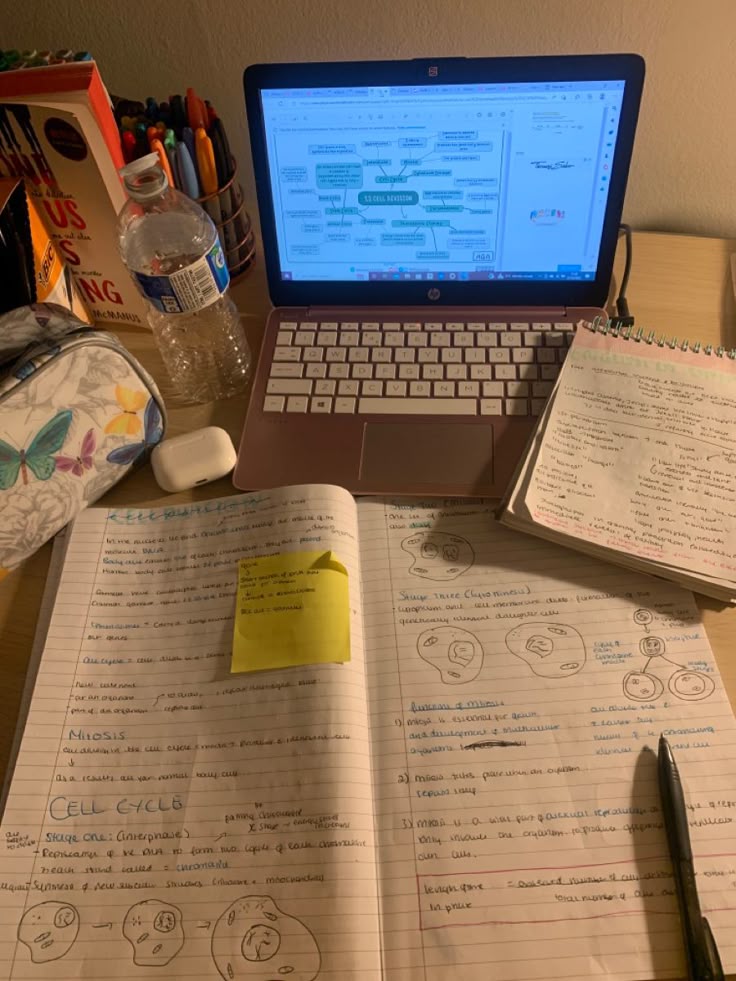
Introduction to Cambridge IGCSE Biology
The Cambridge IGCSE Biology course is a foundational programme that offers students a comprehensive understanding of biological concepts.
At Thomas Keith Independent School, we prioritise a curriculum that fosters analytical skills and scientific inquiry.
The IGCSE Biology course forms an integral base for students aiming to delve deeper into the field of science.
In this course, students explore the rich diversity of life, gaining insights into the organisation, maintenance, and reproduction of organisms.
Our programme is designed to enhance both theoretical understanding and practical skills in biology.
This course emphasises experimental inquiry, enabling students to participate actively in laboratory activities.
These activities include basic techniques such as dissection and classification, which are crucial for applying theoretical knowledge to real-world scenarios.
The Thomas Keith Independent School’s IGCSE Biology course supports students in understanding critical biological concepts and principles through a robust instructional strategy.
Students are encouraged to engage with both the living world and laboratory techniques, honing their ability to identify and analyse various types of organisms.
This approach ensures that students not only learn the subject matter but also develop the ability to apply the concepts conscientiously.
Furthermore, the course structure includes opportunities for students to undertake independent projects, which are vital for developing critical thinking and problem-solving skills.
These projects are based on foundational biological principle and require a solid understanding of scientific methods.
Students will apply their knowledge in a variety of contexts, furthering their ability to make informed scientific judgements.
The importance of Cambridge IGCSE Biology is further emphasized by its potential role in a student’s academic and career pursuits.
Completion of the course can serve as a prerequisite for advanced studies in biology and other science-related fields, offering broad-ranging opportunities in biological science professions.
In conclusion, Thomas Keith Independent School provides an engaging and comprehensive Cambridge IGCSE Biology programme.
This course equips students with the essential skills and knowledge needed to excel in the biological sciences, laying a robust foundation for future scientific endeavours.

Course Structure and Curriculum
The IGCSE Biology course offered at Thomas Keith Independent School is meticulously structured to provide students with a comprehensive understanding of biological sciences.
The curriculum is designed to cover a wide array of concepts, ensuring that students gain a solid foundation in biology.
Central to the IGCSE Biology course is the aim to nurture an appreciation and understanding of the natural world.
This programme encompasses three main areas: the organisation and maintenance of life, reproduction and inheritance, and the ecology and environment.
Each of these sections delves deep into topics that are pivotal in understanding biological principles.
In the organisation and maintenance of life, students explore the characteristics that define living organisms.
This includes cellular structures, enzymes, and biological molecules.
The IGCSE Biology curriculum elucidates how these components operate in unison to maintain life processes.
The concept of classification is also introduced, highlighting the diversity and relationships among various organisms.
Reproduction and inheritance form another crucial part of the curriculum, presenting students with insights into genetic material and the mechanisms of genetic transmission.
Within this section, students examine cellular processes like mitosis and meiosis and learn how these contribute to genetic variation and inheritance patterns.
The IGCSE Biology course ensures that students are well-versed in experimental techniques, including their applications in genetic studies.
Ecology and the environment are extensively covered, emphasising the interactions between organisms and their habitats.
This part of the course encourages students to explore intricate ecosystems and understand the impact of human activities on natural systems.
By incorporating inquiry-based learning, students learn to think critically about environmental challenges and sustainable solutions.
Moreover, the IGCSE Biology course includes practical laboratory exercises, allowing students to apply theoretical knowledge in real-world scenarios.
These exercises are crucial for honing experimental skills and reinforcing scientific principles.
At Thomas Keith Independent School, our course not only meets the standards set by the Cambridge IGCSE examinations but also enriches the student experience with additional projects and independent research opportunities.
Our approach ensures that learners develop critical thinking skills and a scientific mindset, empowering them to excel in further biological studies.
By the end of the course, students will have acquired the knowledge and skills necessary to pursue advanced studies in biology or embark on a variety of science-related careers.
The course structure and curriculum are tailored to inspire curiosity and a lifelong passion for biology, aligning with the mission of Thomas Keith Independent School to deliver quality education that prepares students for future challenges.
Key Biological Concepts and Principles
The IGCSE Biology course offered by Thomas Keith Independent School is meticulously designed to impart foundational biological concepts and principles to secondary-level students.
Understanding these core ideas is crucial because they form the basis for more advanced topics and are essential for students’ success in IGCSE Biology.
At the heart of IGCSE Biology is the exploration of living organisms and their interactions with the environment.
Students delve into the cellular organisation that defines all forms of life, from the microscopic cellular structures to complex multicellular organisms.
An in-depth comprehension of cell theory is pivotal, highlighting how cells function as the basic unit of life.
The IGCSE Biology curriculum emphasises important principles such as organisation, reproduction, inheritance, and biological classification.
Through these topics, students learn how organisms are categorised systematically based on shared features and evolutionary history.
A key aspect of the course is the focus on the maintenance of life processes.
Students examine how organisms obtain and utilise energy, a concept central to understanding both respiration and photosynthesis.
These processes, fundamental to the survival of living organisms, are explored through practical laboratory activities and experimental inquiries.
Reproduction, as another crucial concept, covers both sexual and asexual methods, providing students with knowledge of biological continuity and the transfer of genetic information.
Inheritance, intrinsically linked to reproduction, introduces the principles of genetics, including the understanding of traits, genes, and DNA.
IGCSE Biology also incorporates the study of organisms’ response to their environment, an area that explores adaptations and ecological relationships, ensuring that students comprehend the dynamic interactions within ecosystems.
At Thomas Keith Independent School, our approach ensures that learners not only acquire theoretical knowledge but also engage in practical, inquiry-based activities.
This instructional strategy fosters independent learning and critical thinking, preparing students excellently for their examinations and future biological studies.
By mastering these key biological concepts and principles, students are equipped with a robust scientific foundation, opening doors to endless opportunities in biological sciences and related careers.
Laboratory Techniques and Experimental Inquiry
In the context of IGCSE Biology, laboratory techniques and experimental inquiry form the foundation of a student’s understanding of biological processes and principles.
At Thomas Keith Independent School, we emphasise the importance of hands-on laboratory experience as part of the IGCSE Biology programme.
Firstly, students are introduced to essential laboratory techniques that are pivotal for conducting biological experiments.
These techniques include proper handling and use of microscopes, which are crucial for studying cells, microorganisms, and tissues.
The ability to prepare and stain microscope slides is another vital skill, providing insight into the intricate details of biological specimens.
Another key aspect is the practice of dissection.
Dissection offers students the opportunity to explore the anatomy of various organisms, allowing them to understand the complex organisation and interdependence of biological systems.
Through dissection, students can observe the structural differences and similarities between organisms, which reinforces the concept of classification in biology.
Furthermore, experimental inquiry in IGCSE Biology encourages students to engage in scientific investigation.
This process involves forming hypotheses, designing experiments, collecting data, and analysing results to draw valid conclusions.
Students are taught to approach scientific problems with an inquiry-based mindset, a strategy that fosters critical thinking and independent learning.
The curriculum includes a variety of experiments, ranging from plant physiology to animal behaviour, offering students a comprehensive understanding of biology.
Safety is a priority in our laboratory sessions, ensuring that students learn to conduct experiments conscientiously and responsibly.
Students are required to adhere to safety guidelines and use equipment correctly to prevent accidents and ensure a safe learning environment.
Moreover, the IGCSE Biology course requires students to design and execute independent projects, which hone their experimental skills and their ability to work autonomously.
These projects serve as a capstone experience, synthesising the laboratory techniques and investigative skills acquired during the course.
In summary, laboratory techniques and experimental inquiry in IGCSE Biology not only provide experiential learning opportunities but also instil a deeper appreciation for the scientific method and the principles of biology.
At Thomas Keith Independent School, we are committed to delivering a comprehensive biology programme that equips students with the skills and knowledge necessary for further studies or careers in scientific fields.
Student Projects and Independent Learning
In the IGCSE Biology course at Thomas Keith Independent School, student projects and independent learning form a core component of the learning strategy, providing students with invaluable opportunities to delve into biological concepts.
These projects are designed not only to enhance the understanding of biology but also to cultivate skills essential for lifelong learning.
IGCSE Biology encourages students to embrace independent learning by allowing them to choose topics of interest within the curriculum, thereby fostering an intrinsic motivation to explore the biological sciences further.
This approach is tailored to improve students’ capacity to engage with complex biological phenomena and develop critical thinking skills through experimental inquiry and independent research projects.
At our online institution, projects are meticulously structured to align with the IGCSE syllabus, ensuring a comprehensive exploration of topics such as organism classification, inheritance, and ecological interactions.
Students are guided to utilise resources, including approved scientific journals and virtual laboratory simulations, which are comparable to real-world science inquiries.
By employing a wide range of instructional techniques, students are encouraged to plan and execute projects that require them to apply their knowledge, analyse data critically, and present their findings effectively.
Independent projects connected to IGCSE Biology also serve as a foundation for future academic pursuits, as students learn to manage their learning processes and time effectively.
Furthermore, at Thomas Keith Independent School, an emphasis is placed on developing project work that simulates real-world biological research, thus equipping students with a tangible experience of scientific inquiry.
This mode of learning not only reinforces theoretical knowledge but also provides a practical understanding that is crucial for students who aspire to pursue biological sciences further.
In conclusion, the emphasis on student projects and independent learning within the IGCSE Biology framework nurtures a disciplined, inquiry-based presence in education, ensuring that students are well-prepared for both academic and professional futures in the biological field.
Assessment and Examination Preparation
In the IGCSE Biology programme, assessment and thorough examination preparation are critical components that ensure students gain a comprehensive understanding of biological concepts and principles.
The assessment strategy focuses on evaluating a student’s grasp of key biological concepts such as organism classification, biological processes, and experimental techniques.
IGCSE Biology exams typically consist of multiple-choice questions, structured questions, and practical assessments.
These exams are designed to test not only the students’ theoretical knowledge but also their prowess in practical applications, as well as their ability to engage in critical thinking and scientific inquiry.
This holistic approach ensures a balanced evaluation that mirrors real-world biological research and problem-solving.
To prepare for these assessments, it is essential for students to utilise various learning resources, including past papers and revision guides.
Past exam papers allow students to familiarise themselves with the examination format, typology of questions, and time management strategies during the exam.
At Thomas Keith Independent School, we encourage the use of these resources as part of a structured revision programme.
An effective revision strategy should also include active engagement with experimental and inquiry-based learning exercises.
These activities bolster the understanding and retention of complex concepts by immersing students in practical scenarios.
Students can benefit greatly from independent projects, which provide opportunities for applying theoretical knowledge to practical situations, further sharpening their laboratory skills and scientific acumen.
Additionally, online platforms and forums, such as r/IGCSE Resources, can be effective support systems where students share resources and study hacks.
These platforms can provide real-time feedback and peer insights, enhancing the learning experience beyond traditional classroom settings.
Thomas Keith Independent School prioritises the development of examination techniques that cater to varied student needs.
We offer personalised instruction and workshops aimed at boosting student confidence and addressing individual learning gaps.
Our dedicated faculty remains committed to providing a supportive environment that fosters academic excellence and prepares students for future academic and career pursuits in the field of biology.
In conclusion, IGCSE Biology assessment and examination preparation require a well-rounded study plan that integrates theoretical comprehension, practical application, and strategic resource utilisation.
With these elements in place, students are equipped not just to excel in their examinations but to carry forward a lifelong passion and understanding of biology.
Utilising IGCSE Biology Resources
IGCSE Biology offers an array of invaluable resources that are crucial for understanding the expansive field of biological sciences.
At Thomas Keith Independent School, we emphasise the importance of effectively utilising these resources to enhance students’ learning experiences.
A comprehensive approach to studying IGCSE Biology involves engaging with a variety of materials, including textbooks, revision guides, and online platforms, which cater to different learning styles.
Textbooks provide a structured exploration of biological concepts and principles, while revision guides offer condensed versions of key topics, ideal for exam preparation.
Online resources, such as instructional videos and interactive applications, deliver dynamic and engaging content that can enhance traditional study methods.
Using past papers is another essential strategy for mastering IGCSE Biology.
These papers allow students to familiarise themselves with the format and structure of examination questions, offering insights into the types of inquiry they might encounter.
This practice not only builds confidence but also refines critical thinking and analytical skills, fundamental for excelling in exams.
Additionally, collaboration with peers through study groups can facilitate a deeper understanding of complex subjects in IGCSE Biology.
Discussing topics and sharing insights with classmates can provide new perspectives and aid in problem-solving.
Thomas Keith Independent School encourages this cooperative learning approach as it simulates real-world scientific enquiry and enhances communication skills.
To further support independent study, our programme includes access to Cambridge IGCSE-endorsed resources, ensuring students receive the best preparation possible.
By conscientiously using these IGCSE Biology resources, students are empowered to achieve academic excellence and develop a solid foundation for further study in biological sciences.
Opportunities for Further Study and Careers in Biology
The IGCSE Biology curriculum provides a robust foundation for students aspiring to delve deeper into the vast and fascinating world of biological sciences.
By mastering the core biological principles, students are well-prepared for further study in advanced biological courses such as A-level Biology, a pathway that offers an extensive understanding of complex biological concepts and experimental techniques.
Notably, the skills and knowledge acquired through IGCSE Biology can open doors to a plethora of career opportunities in various fields of science and medicine.
For those students who excel in IGCSE Biology, pursuing a career in biology can lead to roles in research, healthcare, environmental science, and biotechnology, among others.
Many universities value the concrete foundation in biological knowledge provided by the IGCSE programme, acknowledging it as a critical component in developing future leaders in science and innovation.
Moreover, careers in medicine, veterinary science, and conservation biology are particularly relevant for students with a biology background, as these fields require a deep understanding of biological processes and the ability to apply scientific inquiry and analysis.
Additionally, industries such as pharmaceuticals, agriculture, and environmental consultancy highly regard individuals with strong biological expertise.
At Thomas Keith Independent School, we emphasise the importance of biology not just for personal academic growth but also as a stepping stone towards impactful and rewarding career paths.
Students are encouraged to explore internships and work experiences that complement their academic pursuits to broaden their understanding and practical application of biology.
By equipping students with the essential biological skills and knowledge, the IGCSE Biology course stands as a vital stepping stone to numerous advanced study options and career choices.
These opportunities not only nurture scientific curiosity and innovation but also contribute significantly to societal advancement and the sustainable development of our world.
Conclusion: The Importance of IGCSE Biology
The IGCSE Biology course is pivotal for students who seek a comprehensive understanding of biological sciences.
At Thomas Keith Independent School, we emphasise the importance of IGCSE Biology as a foundation for further scientific exploration and careers.
Engaging with IGCSE Biology not only equips students with crucial knowledge about organisms and biological processes but also fosters skills in scientific inquiry and critical thinking.
Through topics ranging from human biology to ecological systems, the course provides a diverse overview that appeals to various interests.
Aspiring biologists and enthusiasts alike benefit from the course’s structure, which prepares them for advanced studies and potential careers in the sciences.
By studying IGCSE Biology, students gain a profound understanding of living systems, which is indispensable in addressing contemporary scientific challenges.
This foundation significantly enhances opportunities for further education in science-related fields, contributing to innovations and discoveries.
Overall, IGCSE Biology is an essential stepping stone for academic and professional growth in the realm of biological sciences.
