





Introduction to IGCSE Chemistry Advanced Information
IGCSE Chemistry Advanced Information is a crucial resource for students preparing for their examinations, providing insights into key topics and their significance within the curriculum.
At Thomas Keith Independent School, we recognise the value of this advanced information, especially in guiding students through the complexities of IGCSE Chemistry.
The IGCSE Chemistry syllabus encompasses a wide array of subjects, ranging from the fundamentals of chemical reactions to advanced topics such as ionic equations and state symbols.
Understanding these concepts is essential for success as they form the foundation of many chemistry topics and applications.
The IGCSE Chemistry Advanced Information helps students focus their studies by outlining the areas of emphasis, including detailed topics like balancing equations, constructing chemical formulas, and interpreting experiment data.
This directed approach is designed to optimise learning by highlighting the most pertinent aspects, ensuring that students are well-prepared for their exams.
Advance information is provided annually, reflecting both past examination patterns and anticipated changes.
This makes it an invaluable tool for refining study strategies, especially in light of recent updates following educational advancements and modern pedagogical approaches.
Our programme at Thomas Keith Independent School places a strong emphasis on integrating this advanced information into the curriculum, promoting a comprehensive understanding of both theoretical concepts and their real-world applications.
We focus on equipping students with the skills to decode complex chemical data, thereby fostering a deeper comprehension of subjects such as polyatomic ions and redox reactions.
Utilising IGCSE Chemistry Advanced Information not only enhances academic achievement but also instils confidence, enabling students to tackle challenging questions with ease.
The systematic approach fosters a robust scientific acumen, critical for students aspiring to pursue further studies in science and technology-related fields.
In conclusion, the IGCSE Chemistry Advanced Information serves as a pivotal element in our educational blueprint, underpinning our commitment to delivering a first-class learning experience tailored to the objectives of our students.
By thoroughly engaging with this resource, students at Thomas Keith Independent School can excel in their IGCSE Chemistry exams, equipped with both knowledge and analytical prowess.

Understanding Advanced Information in Chemistry
Advanced information plays a pivotal role in preparing for the IGCSE Chemistry examinations, especially in the context of the evolving educational landscape.
The IGCSE Chemistry advanced information is designed to offer students insights into significant areas of focus, aiding them in optimising their study efforts.
This strategic tool, specifically tailored for the IGCSE curriculum, aims to bridge potential gaps in students’ understanding, ensuring they approach their exams with confidence.
One of the crucial aspects of advance information is its ability to highlight key chemistry topics that carry substantial weight in the examinations.
Topics such as chemical reactions, the periodic table, and advanced equation construction are often emphasised, allowing students to concentrate their revision efforts on these significant sections.
Engaging with advance information encourages students to delve deeper into underlying principles, fostering a more profound comprehension of complex concepts, such as ionic and redox reactions.
Through this targeted approach, students can effectively allocate their study time and resources, enhancing their proficiency in solving challenging IGCSE Chemistry problems.
Another benefit of advance information is its alignment with real-world scientific applications, helping students relate theoretical content to practical scenarios.
This connection not only bolsters their understanding but also nurtures a genuine interest in the subject matter, making chemistry more accessible and relevant.
At Thomas Keith Independent School, we recognise the importance of equipping our students with the right tools to excel in their IGCSE Chemistry examinations.
By leveraging advanced information, we empower our learners to navigate the intricacies of chemistry with poise and assurance.
As the educational environment continues to adapt, the role of advance information becomes increasingly indispensable, underscoring its value in academic achievement.
In summary, understanding advanced information in chemistry is crucial for IGCSE success, paving the way for both academic excellence and a lifelong appreciation for the sciences.
Key Topics in IGCSE Chemistry
Understanding the key topics in IGCSE Chemistry is crucial for students aiming to excel in this subject.
Thomas Keith Independent School emphasises the importance of these core concepts to ensure a comprehensive grasp of the material.
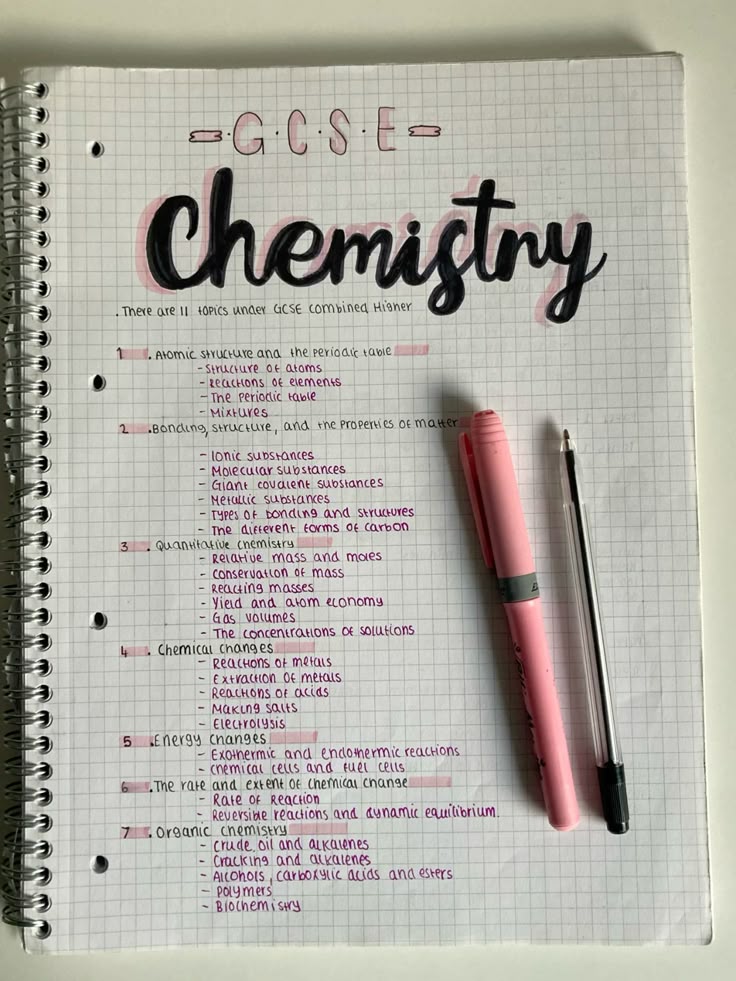
The IGCSE Chemistry advanced information plays a pivotal role in guiding students through essential subjects, which include atomic structure, chemical bonding, and stoichiometry, among others.
A profound understanding of atomic structure is paramount, as it acts as the foundation upon which much of chemistry is built.
The IGCSE Chemistry course delves into the nature of atoms, elements, and compounds, exploring the periodic table’s organisation and its implications for chemical behaviour.
Similarly, chemical bonding is another pillar of IGCSE Chemistry that students must master.
This topic encompasses the understanding of ionic and covalent bonds, metallic bonding, and the properties that result from these interactions.
Knowledge of chemical bonding is essential for explaining the structure and properties of substances, a key component of IGCSE Chemistry advanced information.
Stoichiometry, the branch of chemistry that involves the quantitative analysis of reactants and products in chemical reactions, is equally important.
Incorporating calculations related to moles, molar mass, and concentration, stoichiometry is essential for understanding the stoichiometric relationships that govern reaction dynamics.
Furthermore, an understanding of acids, bases, and salts is vital as they form the basis for many chemical reactions and industrial processes.
Students are required to identify strong and weak acids, understand pH and neutralisation reactions, and predict the products of chemical reactions accurately.
Another significant topic in IGCSE Chemistry is organic chemistry, which introduces students to the chemistry of carbon compounds, including hydrocarbons, alcohols, and polymers.
This segment of the course aids students in grasping the intricate nature of organic molecules and their vast applications in everyday life.
Incorporating these key areas within the curriculum ensures that students receive the IGCSE Chemistry advanced information necessary to excel.
The programme at Thomas Keith Independent School is designed to make these complex topics accessible and engaging, transforming students into adept learners equipped with a thorough understanding of the diverse aspects of chemistry.
Through focused study and application of these primary and secondary keywords, our comprehensive approach prepares students for both academic success and practical application in real-world scenarios.
Advanced Equation Construction Techniques
Mastering advanced equation construction is pivotal in understanding IGCSE Chemistry advanced information, particularly when it comes to illustrating complex chemical reactions.
At Thomas Keith Independent School, we emphasise the importance of acquiring robust skills in constructing both symbolic and iconic equations, which form the cornerstone of the IGCSE Chemistry curricula.
The advanced techniques in chemical equation construction go beyond the basics of balancing straightforward equations.
Students must comprehend the full breadth of chemical equations encompassing diverse types of reactions, including redox reactions, acid-base interactions, and the intricacies of polyatomic ions.
Balancing Complex Equations
Balancing complex chemical equations requires students to meticulously account for every atom on both the reactant and product sides of the equation.
This ensures adherence to the Law of Conservation of Mass, a fundamental principle in both IGCSE Chemistry and real-world chemical analysis.
An effective strategy involves initially focusing on the more complex molecules, saving the simpler elements for last.
Iterative balancing, where coefficients are adjusted progressively, often provides the most efficient pathway to a correct equation.
Handling Polyatomic Ions
Polyatomic ions can complicate equation construction significantly due to their complex structures and recurring presence in reactions.
Recognising common polyatomic ions and treating them as single units can simplify the balancing process considerably.
This approach is particularly beneficial when dealing with ionic equations, a core component of the IGCSE Chemistry advanced information syllabus.
Advanced Usage of State Symbols
State symbols, indicating the physical state of compounds (solid, liquid, gas, or aqueous), are crucial in providing complete chemical equations.
Incorporating state symbols into equations not only aligns with best practices in IGCSE Chemistry but also facilitates a deeper understanding of reaction conditions and contexts.
Mastering Ionic Equations
Writing ionic equations, especially net ionic equations, is an essential skill that distils reactions to their most fundamental components.
This technique highlights the actual chemical change occurring, distinguishing between reactive and spectator ions.
To practice this, students should focus on dissociation in aqueous solutions, where compounds break down into their ionic counterparts.
Real-World Applications and Skills Development
Proficiency in advanced equation construction empowers students to analyse and predict chemical reactions accurately, a skill that extends beyond the classroom into numerous scientific and industrial applications.
By engaging with the IGCSE Chemistry advanced information and honing these skills, students enhance their analytical thinking and problem-solving abilities, fostering a foundation for future academic and professional success.
At Thomas Keith Independent School, we are committed to equipping our students with these invaluable skills, ensuring they excel not only in exams but also in their continued educational and career pursuits.
Importance of State Symbols in Chemistry
Understanding the importance of state symbols in chemistry is crucial for students, particularly those preparing for the IGCSE chemistry advanced information curriculum.
State symbols provide essential context regarding the physical state of substances in a chemical reaction.
These symbols include (s) for solid, (l) for liquid, (g) for gas, and (aq) for aqueous solutions, and are often integral to constructing accurate chemical equations.
Incorporating state symbols correctly is vital for illustrating the conditions under which reactions occur.
This understanding aids students in mastering key chemistry topics, a fundamental goal in the IGCSE chemistry advanced information framework.
Without state symbols, reactions could be misinterpreted, leading to inaccuracies in predicting product formation.
For instance, writing H₂O as a liquid or gas can significantly affect the understanding of its role in reactions like combustion or condensation.
The inclusion of state symbols in equations is not merely a formality but an analytical tool that ensures clarity in chemical communication.
Given their role, state symbols help students understand complex reaction mechanisms by providing insights into the reactants’ and products’ nature and behaviour.
This deeper comprehension is part of the advanced skill set fostered by the IGCSE chemistry advanced information programme, underscoring the relevance of state symbols in both theoretical and practical chemistry.
At Thomas Keith Independent School, we emphasise the importance of detailed and correct use of state symbols in all chemistry topics, ensuring our students are well-prepared for their exams and future scientific endeavours.
In summation, state symbols are an integral component of chemical nomenclature, vital for elucidating reaction conditions and enhancing the precision of chemical equations, resonating with the learning objectives of IGCSE chemistry advanced information.
Mastering Ionic Equations
Incorporating the IGCSE Chemistry advanced information into your study regime is crucial for effectively mastering ionic equations.
Ionic equations are a vital part of the IGCSE Chemistry curriculum, offering a clearer picture of the chemical reactions that take place in aqueous solutions.
They emphasise the dissociation of compounds into their constituent ions, providing insight into the behaviour of electrolytes during chemical reactions.
Understanding ionic equations involves recognising that not all compounds present in a reaction contribute to the formation of the product; some remain unchanged and are referred to as spectator ions.
Successfully mastering ionic equations requires a firm grasp of chemical symbols and a systematic approach to identify which reactants dissociate into ions.
Reactants that form precipitates or undergo electron transfer during an acid-base reaction must be highlighted in these equations.
Therefore, these equations strip away unnecessary information, focusing strictly on the substances that change.
Developing proficiency in writing iconic equations necessitates consistent practice.
Begin by identifying the strong electrolytes, substances that almost completely dissociate in solution, which include most salts, acids, and bases.
Subsequently, practise balancing the chemical equation to maintain the conservation of mass and charge.
This may require employing coefficients in front of the compound formulas to equalise the number of atoms on each side of the equation.
Thomas Keith Independent School offers students comprehensive resources on IGCSE Chemistry advanced information, guiding in-depth exploration of ionic equations.
Our instructional materials provide detailed explanations with practical examples that encourage a deeper understanding of the molecular interactions in solution.
Finally, ionic equations not only lay the groundwork for more advanced chemistry topics but also prepare students for examinations by enhancing their problem-solving skills.
This aspect of IGCSE Chemistry Advanced Information ensures that learners are well-prepared to tackle complex chemical phenomena both in academia and beyond.
Real-World Applications of Chemistry Equations
The study of IGCSE Chemistry advanced information is not merely academic; it has real-world applications that are crucial in various scientific fields and industries.
Understanding chemistry equations is essential in industries where chemical reactions are a daily occurrence, including pharmaceuticals, environmental science, and industrial manufacturing.
One significant application of chemistry equations is in the field of pharmaceuticals, where balancing equations is vital for drug formulation.
In the pharmaceutical industry, the precise combination of chemical compounds can mean the difference between a successful treatment and an ineffective one.
Here, the ability to accurately balance equations ensures that the correct drug concentrations are formulated.
Moreover, chemistry equations are indispensable in environmental science.
They are used to model reactions that occur naturally in the environment, allowing scientists to predict the outcomes of introducing substances like pollutants into ecosystems.
For instance, understanding the ionic equations involved in neutralising acids in soil can guide efforts in environmental remediation.
In industrial manufacturing, advanced knowledge of chemistry equations is crucial for developing and improving processes.
The ability to balance complex equations allows engineers to optimise reactions, thereby improving efficiency and reducing costs.
For example, in the production of polymers, knowing how monomers react allows for the creation of materials with specific properties, which are crucial for varying applications ranging from packaging to electronics.
In conclusion, IGCSE Chemistry Advanced Information about Equations equips students with the knowledge necessary to tackle real-world challenges across multiple sectors.
This foundational understanding not only enhances scientific literacy but also paves the way for innovative solutions in technology and industry.
By mastering these chemistry principles, students at Thomas Keith Independent School can apply their learning directly to solve complex problems and drive advancements in science and technology.
Preparing for IGCSE Chemistry Exams
Preparing for IGCSE Chemistry exams requires an in-depth understanding of the subject matter and a strategic approach to studying.
The incorporation of IGCSE Chemistry Advanced Information plays a crucial role in helping students grasp the essentials needed to excel.
Effective preparation involves several key strategies that ensure both engagement with the material and success in examinations.
Firstly, it is vital to familiarise oneself with the syllabus and understand the structure of the IGCSE Chemistry examination.
The IGCSE Chemistry Advanced Information outlines specific topics, allowing students to focus their studies on essential areas such as chemical reactions, periodic table trends, and equation balancing.
By reviewing this information regularly, students can identify the topics requiring more attention and concentrate their efforts where it is needed most.
Additionally, incorporating active study techniques can significantly enhance retention and understanding.
Techniques such as mind-mapping, flashcards, and practice exercises are excellent for reinforcing knowledge.
Especially within chemistry, grasping the balance of chemical equations through practice problems helps solidify theoretical knowledge and its application.
Consistent practice with iconic and symbolic equations is vital, as these often form the basis of exam questions.
Furthermore, past examination papers serve as invaluable resources.
They provide insight into the style and scope of the questions that may appear.
By simulating exam conditions and timing while using past papers, students can build confidence and improve their time management skills.
Reviewing answers against mark schemes further illuminates areas of strength and weakness, contributing positively to exam readiness.
Engaging in group study sessions can also be beneficial for exploring diverse problem-solving methods and clarifying doubts.
Peers often provide perspectives that one might not consider individually, and teaching others is a proven method to reinforce one’s understanding of complex chemistry concepts.
Lastly, accessing online resources, such as video tutorials and digital textbooks, expands the range of learning tools available to students.
Online platforms can provide dynamic content that can elucidate complicated topics, making them more digestible and easier to comprehend.
Such resources, aligned with the IGCSE chemistry advanced information, empower learners to explore beyond textbooks and gain a rounded understanding of the subject.
At Thomas Keith Independent School, our objective is to guide students through these strategies, empowering them with the knowledge and skills necessary for success in their IGCSE Chemistry exams.
By leveraging the detailed guidance from the IGCSE chemistry advanced information, students are well-prepared to achieve their academic goals.
Conclusion
The IGCSEChemistry AdvancedInformationn serves as a vital resource for students preparing for their examinations, providing clarity and guidance on essential topics.
By focusing on key areas such as ionic equations, state symbols, and chemical reactions, students can excel in their understanding and application of chemistry principles.
The role of IGCSE chemistry advanced information cannot be overstated, as it aids in structuring a student’s revision strategy, ensuring that their efforts are both targeted and efficient.
At Thomas Keith Independent School, we understand the importance of leveraging this advanced information to maximise student outcomes.
Our approach is designed to support learners in mastering both theoretical and practical aspects of chemistry, facilitating a deeper comprehension of the subject matter.
In conclusion, while the journey to gaining proficiency in chemistry can be challenging, the use of IGCSE chemistry advanced information equips students with the necessary tools to succeed.
By integrating these resources into their study routine, students can prepare thoroughly and approach their exams with confidence.

Frequently Asked Questions (FAQ)
In the realm of IGCSE Chemistry Advanced Information, students and educators often have numerous questions regarding course content, exam preparation, and the application of chemistry in real-world scenarios.
This section aims to address some of the most common queries to provide clarity and foster a deeper understanding of the subject.
One frequent question concerns the role of **advance information** and how it influences the study approach for IGCSE chemistry.
Advanced information provides insights into the focus areas and key topics that may be emphasised in exams, thus allowing students to allocate study time effectively and concentrate on areas of significant importance.
Another common inquiry is about the *key differences* between various chemistry topics covered in the **IGCSE curriculum**.
Understanding these distinctions helps students navigate the course content more efficiently, honing their focus on both theoretical and practical aspects of chemistry.
A further question often raised involves the strategies for mastering complex chemistry concepts and equations.
Students are encouraged to practice regularly, using both past exam papers and interactive resources to consolidate their knowledge and skills.
Finally, many students wonder about the practical applications of IGCSE chemistry knowledge in the *real world*.
Chemistry underpins critical advancements in technology, healthcare, and environmental science, and understanding these applications can enhance student motivation and engagement by highlighting the tangible impacts of their studies.
By addressing these frequently asked questions, Thomas Keith Independent School aims to support IGCSE chemistry students in their pursuit of knowledge, offering guidance that is both accurate and engaging.
Through a comprehensive understanding of the IGCSE chemistry advanced information, students can approach their studies with confidence and curiosity.
