


Introduction to Online Art Schools in the UK
Online art schools in the UK are experiencing unprecedented growth and transformation.
These institutions, such as the London Art College and The Open University, offer comprehensive and flexible art courses that allow students to pursue their creative passions remotely.
This format caters to both aspiring artists and seasoned professionals looking to enhance their skills without the constraints of traditional campus-based learning.
The rise of online art education can be attributed to the increasing demand for adaptable learning models.
Students of all ages are seeking flexible ways to gain education while balancing other commitments.
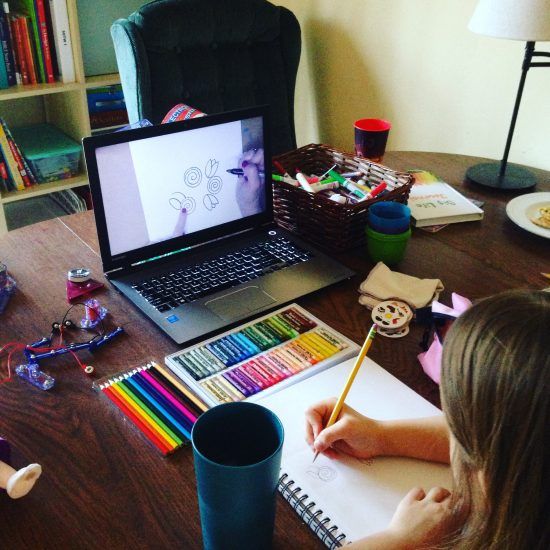
Online art schools in the UK provide an ideal solution, offering a wide range of courses in drawing, painting, design, and more, all accessible from the comfort of one’s home.
The primary advantage of an online art school in the UK is the accessibility it provides to students worldwide.
This global reach allows exposure to diverse artistic perspectives, enriching the learning experience.
Moreover, the curriculum at these institutions is designed to incorporate the latest technology, ensuring that students are equipped with cutting-edge tools necessary for the modern art industry.
In addition to flexibility, online art schools often offer an interdisciplinary approach, integrating elements from various fields such as fashion, digital media, and technology.
This prepares students not just in art techniques but also in applying their skills in real-world scenarios.
It cultivates a professional edge, enabling graduates to thrive in the highly competitive creative economy.
Furthermore, online art schools in the UK place a strong emphasis on developing both creative and analytical skills.
These schools actively engage students with personalised feedback and mentorship from experienced artists and art scholars.
This close interaction between students and faculty is facilitated through digital platforms, fostering an environment conducive to innovation and growth.
In conclusion, online art schools in the UK provide a unique and effective way to pursue art education.
With the evolving landscape of digital learning, these schools are poised to continue playing a significant role in shaping the future of art education.
The adaptability and comprehensive offerings of online art schools make them an attractive and viable option for aspiring artists globally.
Benefits of Studying Art Online
Studying art through an online art school UK brings an array of advantages that cater to aspiring artists’ diverse needs and lifestyles.
One of the most significant benefits is the flexibility it offers.
Students can engage with coursework at their own pace, allowing them to balance other commitments, whether professional or personal.
This aspect is particularly advantageous for adult learners or those who are transitioning careers.
Online art programs often provide access to a broader range of courses and disciplines than traditional schools might offer.
Students can explore specialised fields such as jewellery design, sustainable art practices, or digital media, reflecting a truly interdisciplinary approach.
This diversity enhances the overall educational experience and prepares students to thrive in the competitive creative industries.
The cost-effectiveness of studying at an online art school UK is another crucial factor.
Without the need for physical attendance and associated expenses, such as commuting or campus accommodation, students can significantly reduce their education-related costs.
This affordability makes art education more accessible to a wider audience, broadening opportunities for individuals from various socioeconomic backgrounds.
Access to renowned faculty is enhanced through online platforms.
Artists and scholars from across the globe can deliver lectures and workshops, providing students with international perspectives and insights into the global art market.
This exposure is invaluable, offering students a comprehensive understanding of their field and preparing them for a world where creativity and commerce are increasingly interwoven.
Furthermore, studying online allows for the use of cutting-edge technology and digital tools.
Students learn to navigate contemporary software and platforms relevant to the art world, equipping them with skills that are highly valued by employers.
The integration of technology into online art education ensures that students are well-prepared to meet the demands of an ever-evolving digital landscape.
In conclusion, the benefits of an online art school UK extend beyond basic education; they encompass flexibility, cost savings, a wide range of courses, access to international expertise, and essential digital proficiency.
These advantages collectively ensure that students emerge as well-rounded, capable, and innovative professionals ready to make their mark in the art world.
Top Online Art Schools in the UK
The prominence of online art school UK offerings has grown significantly, drawing interest from students worldwide who seek flexibility without compromising quality education.
Several institutions stand out for their exemplary online courses, providing aspiring artists with a robust educational experience through innovative platforms.
London Art College is often highlighted as a leading online art school in the UK.
It offers a diverse range of courses tailored to various artistic disciplines, from drawing and painting to more specialised subjects like botanic art.
This school prides itself on its comprehensive curriculum that equips students with both theoretical knowledge and practical skills.
Students studying at London Art College benefit from the expertise of experienced tutors and the opportunity to have their work critiqued, facilitating continual improvement.
Another noteworthy institution is the Open College of the Arts (OCA), which is part of the University for the Creative Arts.
The OCA provides a flexible learning model, allowing students to progress at their own pace while accessing a rich array of resources and interactive sessions.
Their courses span various fields, including fine art, graphic design, and photography, catering to the diverse interests of students.
OCAD, or the Online College of Art & Design, is also a popular choice, known for its professional approach to art education.
OCAD’s courses are designed to align closely with industry demands, ensuring that students not only learn art in isolation but also understand its application in a broader professional context.
Students here are encouraged to think creatively and develop their unique artistic voice, supported by tutors who are practitioners in their respective fields.
The emphasis on networking and collaboration is another benefit, providing students with opportunities to connect with peers and industry professionals.
Moreover, some traditional universities have ventured into digital education.
Institutions like the University of Edinburgh offer online degrees that maintain the high standards of their on-campus counterparts.
Such programs include undergraduate and postgraduate options in art history, aimed at providing the same depth and rigour of study found in traditional settings.
The versatility and accessibility of an online art school UK ensure that students receive an education that is both comprehensive and current with the latest artistic trends.
For many, the ability to learn art online through these prestigious schools provides the perfect blend of convenience and quality, which is essential in today’s fast-paced world.
These top online art schools in the UK are set to continue leading the way in transforming how art education is delivered, making it accessible to an increasingly global audience.

Course Offerings and Specialisations
In the domain of an online art school UK, course offerings and specialisations are critical to cater to diverse artistic aspirations.
The broad spectrum of disciplines available enables students to tailor their education to their unique interests and career goals.
Online art schools in the UK have made significant strides in providing comprehensive programmes that extend beyond traditional boundaries, integrating both foundational and advanced studies.
Popular courses include fine arts, graphic design, fashion design, and digital media, each offering unique skills and perspectives crucial in today’s creative industries.
In-depth fine arts courses often encompass drawing, painting, and sculpture, allowing students to explore various media.
These classes foster creativity, enhance technical skills, and deepen the understanding of artistic principles.
Graphic design programmes provide a strong foundation in visual communication, incorporating typography, branding, and web design.
These courses are strategically crafted to prepare students for the dynamic demands of the digital and commercial sectors.
Fashion design courses have also gained traction, reflecting the vibrant nature of the UK’s fashion scene.
These specialisations offer insights into garment construction, textile innovation, and the global fashion market, equipping future designers with the required expertise to excel.
Notably, digital media courses in an online art school UK focus on the intersection of art and technology.
Students delve into areas like video production, animation, and interactive media, acquiring skills essential for thriving in a technology-driven future.
Moreover, online art schools frequently provide specialised workshops and seminars, engaging learners with current trends and industry practices.
These opportunities are invaluable for cultivating a professional mindset and understanding how artistic skills translate into real-world applications.
Interdisciplinary approaches are also encouraged, promoting collaborations between different art practices.
This flexibility aids students in synthesising knowledge across subjects, fostering innovation and comprehensive problem-solving abilities.
Conclusively, course offerings and specialisations in an online art school UK are varied and dynamic.
They are meticulously designed to equip students with the necessary tools to thrive in artistic and professional environments, marrying creativity with practical skillsets.
Engagement in these diverse courses not only nurtures individual creativity but also aligns with the evolving demands of the global art landscape.
How to Choose the Right Online Art Program
Choosing the right online art program in the UK can be a pivotal decision in shaping your artistic journey and professional career.
With the growing number of online art schools UK offering diverse courses, it’s crucial to evaluate several key factors to find the program that aligns with your needs and aspirations.
Firstly, consider the variety of courses offered by the online art school UK.
Ensure the curriculum covers your area of interest, whether it be fine arts, digital design, or fashion, allowing for a comprehensive educational experience.
This can prepare students for the increasingly dynamic and interdisciplinary nature of the art industry.
Next, evaluate the qualifications and experience of the faculty.
A reputable online art school UK will be staffed with professional artists and scholars, offering invaluable insights from the field.
Their expertise not only enhances your learning but also ensures you gain practical, industry-relevant knowledge.
Additionally, flexibility and online learning support are vital aspects to consider.
Inquire about the structure of the online program to confirm it fits your schedule, particularly if you balance studies with work or other commitments.
A quality online art school UK will provide robust support systems, enabling students to interact with instructors and peers effectively.
Consider also the technological tools and platforms being utilised.
A modern online art school UK should leverage state-of-the-art technology to facilitate a seamless learning experience.
This not only enriches the educational journey but also equips students with the digital literacy crucial for thriving in today’s art markets.
Moreover, financial considerations play a significant role.
Investigate the tuition fees and look for available scholarships or financial aid options.
This ensures you can pursue quality education without undue financial strain.
Finally, review student testimonials and alumni success stories.
An established online art school UK typically showcases the achievements of its graduates, providing insight into the potential opportunities and networks available post-graduation.
In summary, selecting the right online art program requires careful analysis of course offerings, faculty expertise, flexibility, technological resources, financial costs, and alumni outcomes.
These considerations help ensure your choice supports both your educational and professional goals effectively.
Student Experiences and Success Stories
For many artists and aspiring creatives, choosing the right online art school UK can be a transformative decision that paves the way for future success.
Students enrolled in such programs often share unique experiences that highlight the efficacy and impact of online art education.
These narratives not only underscore the qualitative aspects of online learning but also illuminate paths towards individual achievement and professional growth.
One of the primary reasons students opt for an online art school UK is the flexibility it offers.
This flexibility allows students to interweave their artistic pursuits with personal commitments and professional obligations seamlessly.
For instance, several students have reported balancing complex schedules while advancing their skills and knowledge through tailored online courses.
This adaptability in learning schedules is a recurring theme in many success stories and one that resonates deeply with working professionals and mature students.
Moreover, the professional network built through an online art school UK can be as vast and diverse as those formed in traditional settings.
Students frequently engage with renowned faculty members and industry professionals through virtual platforms, gaining insights into the dynamic art market.
This interaction not only fosters creativity but also equips students with the tools needed to thrive professionally.
Success stories from graduates often highlight collaborations with faculty and peers that have resulted in groundbreaking projects and exhibitions, marking significant milestones in their artistic careers.
Digital platforms also provide students with access to a broad spectrum of interdisciplinary courses.
These courses cover a wide array of specialisations ranging from traditional disciplines like painting and sculpture to innovative fields such as digital design and jewellery making.
Real-life success stories echo the value of this diversity, with many students attributing their career advancements to the comprehensive curriculum offered by an online art school UK.
Furthermore, alumni from online art schools frequently mention the global exposure and cultural insights they gained, which have enriched their academic and professional journeys.
Virtual class environments encourage the sharing of ideas and perspectives among a globally dispersed student body.
This cultural exchange has been noted as a catalyst for creativity and innovation in various success stories.
In summary, student experiences and success stories from an online art school UK reveal a model of education that is not only adaptive and inclusive but also robustly interconnected with the broader art world.
These narratives serve as powerful testaments to the effectiveness of online art education in cultivating knowledge, enhancing creativity, and facilitating professional success.
The Future of Online Art Education
The landscape of online art education in the UK is undergoing a significant transformation, driven by technological advancements and changing learner needs.
The online art school UK is at the forefront of integrating immersive technologies like virtual reality (VR) and augmented reality (AR), providing students with unique ways to engage creatively.
These technologies allow for a more interactive and experiential form of learning, which enhances the educational experience beyond the traditional classroom setting.
One of the most promising aspects of the future for online art schools in the UK is the increased availability of personalised learning experiences.
Through the use of AI and data analytics, programmes can be tailored to meet the specific needs of individual students, thereby improving outcomes and student satisfaction.
Personalised content delivery can address diverse learning styles and paces, a significant advantage for achieving a more inclusive online art educational environment.
Furthermore, the future of online art education will likely see an increased emphasis on interdisciplinary programmes.
As the world becomes more interconnected, online art schools in the UK are preparing students to engage with a broader spectrum of disciplines, such as incorporating elements of technology, business, and design thinking into art courses.
This interdisciplinary approach equips students with the diverse set of skills required to thrive in the rapidly evolving creative industries.
The ongoing evolution of online platforms also points toward a future where art education is more accessible than ever.
The flexibility that online education provides allows students from various geographical locations and with different life circumstances to pursue their passion for art.
This democratisation of education ensures that more people have the opportunity to develop their talents and contribute to the UK’s vibrant creative economy.
Finally, collaboration continues to be a key trend shaping the future of online art schooling.
Students are increasingly engaging in global partnerships, which broaden their perspectives and enhance their creative skills.
Online platforms facilitate collaborations with peers and professionals around the world, fostering a creative community that transcends borders.
In conclusion, the future of online art education in the UK promises exciting innovations and opportunities.
By embracing cutting-edge technologies, interdisciplinary learning, and global collaboration, the online art school UK is poised to offer an enriching educational experience that meets the demands of the modern creative landscape.
Conclusion: Embracing the Digital Art Education Revolution
The online art school UK landscape represents a significant shift in how art education is delivered and experienced.
As technology advances, the integration of digital platforms into art education has opened up unprecedented opportunities for students and educators alike.
By embracing these changes, the online art school UK offers a more accessible and flexible learning environment for students around the world.
From the ability to study at one’s own pace to the removal of geographical barriers, online programs have made art education more inclusive.
Additionally, these programs often employ innovative teaching methods, bringing together traditional techniques and modern technology to create a unique learning experience.
Many online art schools in the UK, including Thomas Keith Independent School, are at the forefront of this educational transformation, providing robust and diverse programmes that cater to varying interests and skill levels.
Ultimately, by embracing the digital revolution in art education, students are better equipped to thrive in an increasingly interconnected and digital world.
As these online art platforms continue to evolve, they promise to enhance learning experiences and offer even more comprehensive resources to aspiring artists.
