





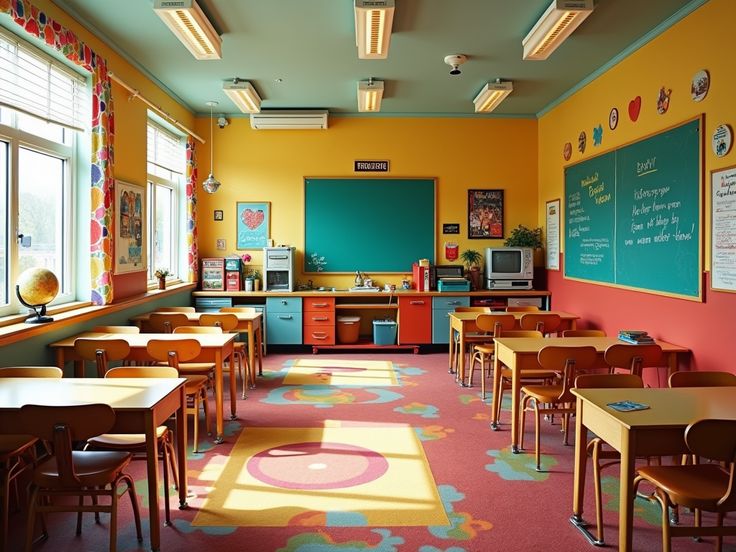
Introduction to Primary School Education
Primary school grades are a fundamental stage in a student’s educational journey, often starting from kindergarten and continuing through Years 1 to 6.
In the British education system, these grades represent a crucial period in which children acquire the foundational skills necessary for future academic success, including literacy, numeracy, and social skills.
Primary school education not only focuses on academic learning but also introduces pupils to a structured environment where they learn to interact, share, and collaborate with their peers.
At Thomas Keith Independent School, we acknowledge the importance of these formative years and ensure that our curriculum is designed to foster a well-rounded development of each child.
The variety of subjects offered at this level, such as science, mathematics, English, and art, caters to the diverse interests and abilities of young learners.
Moreover, primary school grades lay the groundwork for a lifelong learning attitude, encouraging children to explore new ideas and develop critical thinking skills.
Choosing the right primary school is of paramount importance for parents as it can significantly impact a child’s educational trajectory.
Our school offers a unique blend of personalised teaching and broad educational opportunities, ensuring that students are well-prepared to advance to secondary school and beyond.
With an emphasis on both academic and personal growth, primary school education helps children cultivate essential skills required to navigate more complex subjects and social settings later in life.
At Thomas Keith Independent School, we continuously strive to provide an engaging and supportive learning environment where each student can thrive, making primary school education a rewarding experience.
By embedding these core principles into our curriculum and teaching methodologies, we prepare students not only for the challenges of secondary education but also for a promising future.
Thus, understanding the significance of primary school grades is critical for making informed decisions about a child’s educational path.

Understanding U.S. Education Levels
The structure of U.S. education levels is designed to guide students through various stages of learning, commencing with primary school grades and extending into higher education options.
Primary school grades are the foundational phase in the U.S. education system, typically encompassing kindergarten through grade 5.
At this stage, children are introduced to basic skills in subjects such as English, science, and arithmetic.
The success of primary school education often determines how well students adapt and thrive in subsequent educational levels.
Following primary education, students advance to middle school, also referred to as junior high school, which usually includes grades 6 through 8.
This transition introduces pupils to more complex subjects and begins the preparation for high school.
High school, comprising grades 9 through 12, focuses on more specialised subjects and is pivotal for preparing students for college or vocational training.
Post-secondary education in the U.S. is diverse, offering pathways through public colleges, private colleges, community colleges, and universities.
Each institution type provides distinct programmes, varying in terms of tuition, entry requirements, and the degrees offered.
Understanding the progression from primary school grades to university is crucial for international students who aim to align their educational pursuits with U.S. standards.
An awareness of U.S. education levels not only aids in effective class placement for international students but also helps educators tailor their curricular offerings to meet diverse student needs.
At Thomas Keith Independent School, we aim to provide content that bridges educational methodologies, ensuring students are well-prepared for any educational system globally.
This comprehensive understanding contributes to smoother transitions and more effective learning outcomes for students at all levels of education, including primary school grades.
Primary School Grades Overview
Primary school grades form the foundation of a child’s educational journey, typically spanning from Reception to Year 6 in the British system.
This critical phase in a child’s education focuses on developing core skills in subjects such as English, mathematics, and science, alongside fostering personal and social development.
Understanding the structure and significance of primary school grades is essential for parents and educators aiming to optimise the educational outcomes for children.
At Thomas Keith Independent School, we recognise the importance of these formative years and the role they play in a student’s future academic success.
In the initial years of primary education, typically from Reception to Year 2, young students are introduced to fundamental concepts and skills.
Reception serves as an introduction to structured learning, with an emphasis on literacy and numeracy.
By Year 1 and Year 2, children begin to consolidate their learning through more structured lessons focused on enhancing reading fluency, basic arithmetic, and understanding of the world around them.
As students progress to the middle primary school grades, usually Years 3 and 4, curriculum content becomes more rigorous.
At this stage, children are encouraged to develop critical thinking skills and engage in more in-depth exploration of subjects.
Key stage assessments may be introduced to gauge the student’s comprehension and learning progress, ensuring that any educational gaps are addressed promptly.
Moving into the upper primary school grades, Years 5 and 6 often serve as a preparation for secondary education.
Students continue to build on previous knowledge and start to grasp more complex concepts in mathematics, reading comprehension, and scientific enquiry.
Additionally, there is a stronger emphasis on independent learning, time management, and problem-solving skills, preparing them for the transition to secondary school environments.
At Thomas Keith Independent School, our curriculum is designed to cater to the individual learning styles of each student, ensuring that education is both accessible and challenging.
We apply a holistic approach to education that integrates traditional subjects with creative arts, physical education, and personal development programmes.
This ensures that our students not only excel academically but also develop the necessary social and emotional skills required for lifelong success.
In conclusion, primary school grades are pivotal in shaping a child’s educational and personal development.
Understanding and supporting this journey is key to fostering a positive and effective learning environment.
By focusing on the specific needs and abilities of each child within the primary school grades, we at Thomas Keith Independent School are committed to delivering an education that prepares students for the challenges and opportunities of the future.
Early Childhood Education
Early childhood education serves as the foundational stage for a child’s formal learning journey, setting the stage before they enter primary school grades.
It is a critical phase where children, typically from ages three to five, gain essential skills in a structured environment.
This stage of education includes preschool and daycare programmes, which are pivotal in preparing children for the academic demands of primary school grades.
The emphasis in early childhood education is on comprehensive development.
Instead of focusing solely on academic achievements, programmes tend to foster social, emotional, physical, and cognitive growth.
This holistic approach is designed to nurture a child’s curiosity and love for learning, making subsequent transitions to primary school grades smoother and more effective.
At Thomas Keith Independent School, we place significant importance on early childhood education, ensuring that our programmes are tailored to cultivate a child’s individuality and encourage active engagement.
Our curriculum incorporates play-based learning, which research has shown to be effective in stimulating young minds and preparing them for future academic success.
In addition, recognising the impact of parental involvement, early childhood education programmes often encourage collaboration with parents to enhance the learning experience.
This partnership is vital in reinforcing the concepts learned in educational settings and creating a consistent support system for children.
By investing in early childhood education, we lay a robust foundation for continuous learning, ensuring children transition confidently into primary school grades with the necessary skills and enthusiasm to thrive.
In conclusion, early childhood education is not merely a preparatory phase but a crucial building block for lifelong learning and development.
Elementary School Structure
The structure of elementary school plays a crucial role in the overall development of children, particularly during the primary school grades, which often encompass kindergarten to Year 6.
At Thomas Keith Independent School, our curriculum is designed to ensure students experience a seamless transition through each grade level, from early childhood education up to secondary school.
Elementary school, typically structured around primary school grades, sets the foundation for lifelong learning and achievement.
Each grade level in primary education is carefully crafted to build on the knowledge and skills established in the previous year.
The primary school grades of an elementary school include a variety of subjects that are essential for a child’s general education.
Core subjects often include English, mathematics, science, and social studies, with additional enrichment through art, music, and physical education.
Classroom environments are generally student-centred, aimed at encouraging inquisitive learning and individual critical thinking skills.
Teaching styles may vary from traditional methods to more innovative approaches, with educators designing lesson plans that suit both group learning and individual student needs.
The elementary school structure emphasises personal achievement and developmental milestones.
Children are guided and motivated to achieve personal bests and develop a love for learning that assists them through their academic journey.
Elementary schools often require a structured timetable which provides stability and a routine that children thrive on.
This structure could include specific times for lessons, breaks, lunch, and extracurricular activities, which help pupils manage their time effectively and prepare them for future education levels.
Moreover, the involvement of parents within the elementary school setting is actively encouraged.
Parental engagement is often highlighted through regular communications, meetings, and classroom involvement.
It is acknowledged that fostering a strong parent-teacher relationship can significantly positively impact a child’s educational outcomes.
Through the Thomas Keith Independent School’s unique educational program, which includes primary school grades, we ensure that each element of the elementary school structure is designed with the student’s well-being and academic success at the forefront.
A structured primary education is imperative in forming a solid educational groundwork, preparing pupils not only for secondary education but for lifelong success.
Class Placement and Grade Level
Determining the appropriate class placement and grade level for students in primary school grades is a critical aspect of their educational journey.
It not only affects their academic experience but also influences their social development and future opportunities.
Thomas Keith Independent School provides a structured approach to ensure the optimal placement for every child, thereby maximising their potential.
In the context of primary school grades, class placement is typically based on a combination of factors, including age, academic achievement, and social maturity.
For example, children entering Year 1 in British schools are generally between the ages of five and six, aligning closely with the primary school grades in other educational systems.
However, academic skills and emotional readiness are also essential considerations.
Assessments and evaluations play a crucial role in this process.
Teachers and educational professionals often conduct assessments at the beginning of the school year to determine a student’s capabilities.
These assessments may include reading proficiency, numeracy skills, and comprehension abilities, aiming to ensure that the student is placed in an environment where they can thrive.
Grade-level placement is not a static decision.
Throughout the academic year, educators at Thomas Keith Independent School continuously observe and assess students’ progress.
This ongoing evaluation allows for adjustments to be made if necessary, ensuring that each child is challenged yet supported in their learning journey.
Moreover, the transition between grades is an opportunity for targeted interventions.
For example, if a student displays exceptional skills in a subject, they may be offered advanced classes to nurture their talents.
On the other hand, students requiring additional support can access specialised programs tailored to help them meet grade-level expectations.
The responsibility of correct class placement extends beyond the educational staff.
Parents also play a vital role in this process.
Through regular communication and consultation with teachers, parents can better understand their child’s needs and collaborate on strategies to enhance their educational experience.
Ultimately, the goal of effective class placement in primary school grades is to cultivate a learning environment that is both supportive and challenging, promoting academic success and personal growth.
Public vs. Private Primary Schools
Understanding the differences between public and private primary schools is crucial for parents and educators aiming to make informed educational choices for children.
Both public and private institutions play a significant role in shaping the academic journey from early childhood through the primary school grades.
Primary school grades encompass a wide range of developmental stages, typically from kindergarten through to Year 6, depending on the educational system in question.
Public schools are funded and operated by government authorities, ensuring that they are accessible to all students without charge.
This funding structure allows them to offer a comprehensive curriculum aligned with national or regional education standards, which generally covers essential subjects such as English, mathematics, and science.
In public schools, class placement and grade levels are typically determined based on a child’s age and previous educational experience, ensuring consistency and equity across the system.
On the other hand, private primary schools are independently managed and funded through tuition fees paid by families, donations, and other private sources.
This financial model gives private schools greater autonomy over their curricula, allowing them to offer specialised education programmes and a wider range of extracurricular activities that may not always be available in public schools.
The choice between public and private primary schools often boils down to what parents perceive as the best fit for their child’s needs.
While public schools offer a sense of community and diversity due to their broad accessibility, private schools often provide smaller class sizes, which can lead to more personalised attention and potentially better educational outcomes.
Each type of school has its distinct advantages and challenges, making it imperative for parents to assess factors such as location, school ethos, and academic performance when deciding on an appropriate learning environment for their child.
Ultimately, whether a public or private institution, the importance of quality education during the foundational primary school grades cannot be overstated.
By choosing wisely, parents can ensure that their children receive the best possible education, fostering success in both academics and personal development.
Role of Teachers in Primary Education
In primary school grades, teachers play an indispensable role in laying the foundation for lifelong learning and development.
Teachers are tasked with the critical responsibility of introducing students to a structured educational environment and are often the first point of contact between a child and formal learning.
A primary teacher’s duties extend beyond imparting basic academic skills such as reading, writing, and arithmetic.
They also mentor students in developing social skills, emotional intelligence, and ethical values, which are essential components of primary education.
In a classroom setting, teachers tailor their teaching style to accommodate diverse learning speeds and capabilities, ensuring that each child, regardless of their grade level, receives an equitable opportunity to succeed.
This personalised approach is crucial in a primary school setting where individualised attention can significantly affect a student’s enthusiasm and ability to learn.
Teachers utilise a range of teaching methods, from direct instruction to hands-on activities, to engage students and keep the learning process exciting and relevant.
Innovation in teaching is especially important for engaging young students and fostering a love for learning early on.
In addition to core academic concepts, teachers in primary education often introduce students to basic science subjects, art, and physical education.
These subjects are an important part of the curriculum, enabling children to explore various interests and talents from a young age.
Moreover, teachers in primary education maintain regular communication with parents to keep them informed about their child’s progress and any challenges they may encounter within the primary school grades.
This partnership between teacher and parent is vital in creating a supportive learning environment.
The role of teachers extends beyond academics as they act as primary protectors of student welfare, recognising signs of distress and ensuring all students feel safe and supported within the classroom.
At Thomas Keith Independent School, our educators are committed to providing quality education tailored to meet the unique needs of each student, fostering both academic and personal growth.
Through this holistic educational approach, teachers not only facilitate learning but also inspire students to achieve their fullest potential.
In conclusion, teachers are integral to the success of primary education, guiding young learners through their formative years with dedication, creativity, and compassion.
Parental Involvement and Support
Parental involvement is a crucial component of influencing educational outcomes, particularly within primary school grades.
Active participation from parents in the educational journey of their children can significantly enhance the child’s academic performance and social development.
At Thomas Keith Independent School, we believe that parents’ support extends beyond assisting with homework; it involves engaging with the school community, attending parent-teacher meetings, and fostering an environment that values learning at home.
Research indicates that students whose parents are more involved in their education tend to have better school attendance and higher grades.
This correlation between parental involvement and student success is particularly evident in the formative primary school years.
For primary school grades, laying a strong educational foundation is pivotal, and parents play an essential role in this early stage.
They help instil a sense of discipline, motivation, and curiosity, all of which are critical in fostering a lifelong love for learning.
Moreover, parental involvement also means communicating regularly with teachers to understand the student’s progress and areas that need improvement.
At-home support in subjects like reading and maths, tailored to the child’s needs, further enhances their comprehension and skill levels.
For the success of primary school grades, establishing a collaborative approach between educators and parents is key.
Teachers can provide parents with resources and strategies to support their children at home, thus bridging the gap between school and home learning environments.
In conclusion, the synergy between parental involvement and primary education is undeniable.
It plays a pivotal role in influencing not only the academic success of children in primary school grades but also their overall development, shaping them into well-rounded individuals ready to face future academic challenges.
Conclusion: The Importance of Primary Education
Primary education serves as the essential foundation upon which all subsequent learning is built.
The journey through primary school grades is not merely about literacy and numeracy but also involves the holistic development of children.
It is during these formative years that students acquire critical thinking and social skills that are crucial in later stages of education and life.
Primary school grades often determine a child’s trajectory, shaping both their academic ambitions and personal growth.
At Thomas Keith Independent School, we recognise this significance and seek to provide an enriching environment that caters to the diverse needs of our students.
The role of primary education extends beyond academia; it lays the groundwork for lifelong learning and adaptability.
Students develop the ability to engage with unfamiliar subjects, manage challenges, and contribute meaningfully to society.
Primary school grades encourage curiosity and a love for learning, which are imperative for success in secondary and later education.
Furthermore, primary education equips students with the social and emotional skills necessary to collaborate and communicate effectively with peers.
The importance of primary education is not to be underestimated, as it provides the knowledge, skills, and attitudes that children need to triumph in their educational journey and beyond.
Through nurturing each pupil’s potential, primary school grades not only influence individual futures but also community and national development.
In conclusion, investing in primary education is investing in the future.
The emphasis on primary school grades ensures that students emerge as well-rounded individuals prepared to face the complexities of the world.
At Thomas Keith Independent School, we remain committed to offering quality education that aligns with these core objectives, understanding that the growth fostered today will define the achievements of tomorrow.
