





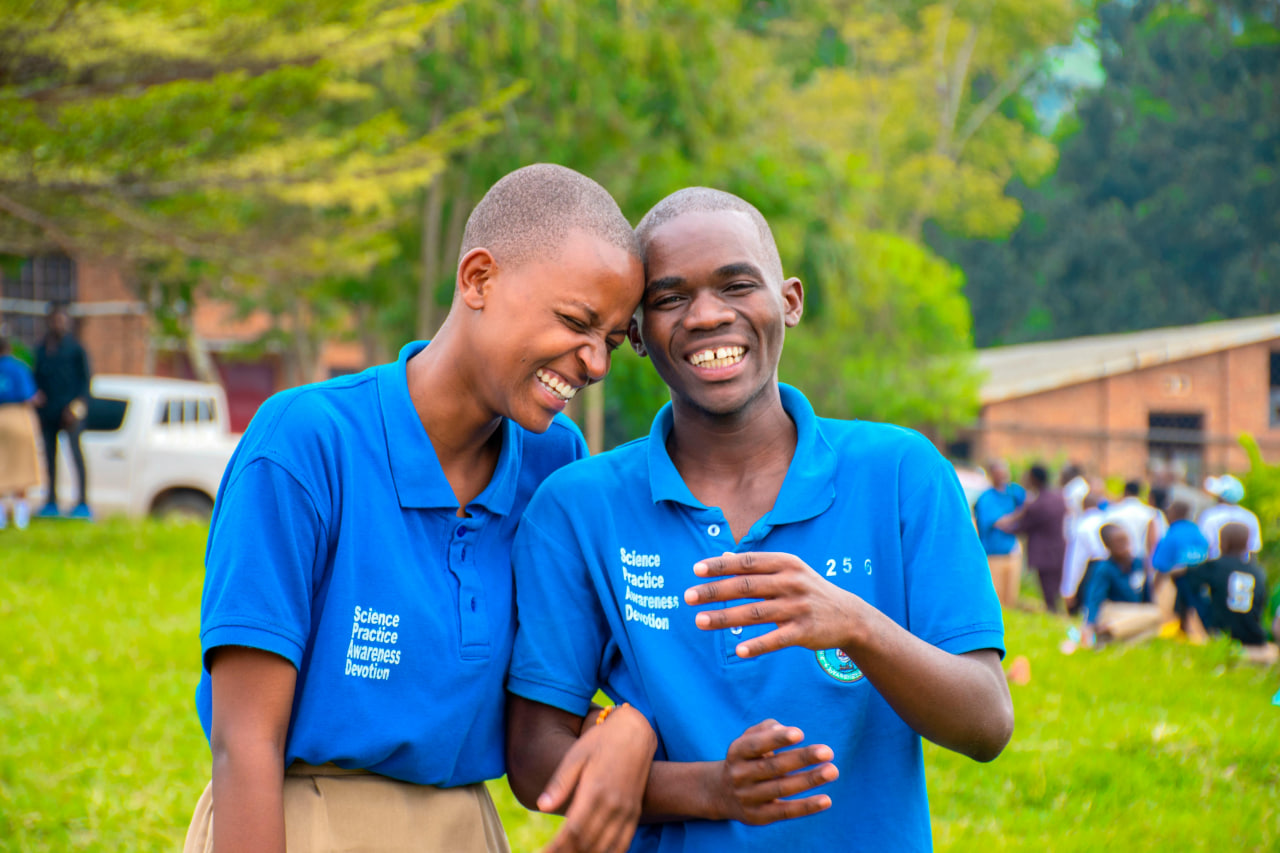
Introduction to Secondary School Playgrounds
The concept of the secondary school playground UK has evolved remarkably over the years, now serving as a critical aspect of educational environments within Thomas Keith Independent School and beyond.
Playgrounds are no longer just the realm of primary education but have extended their reach into secondary schools, providing students with vital opportunities for physical activity, social interaction, and the honing of various skills.
The inclusion of playgrounds in secondary schools highlights an increasing recognition of their importance in promoting overall development and well-being among adolescents.
In recent times, the UK has seen a shift towards integrating playground equipment that is specially designed to cater to the unique needs of secondary school students.
Unlike elementary counterparts, these playgrounds incorporate elements of challenge and adventure to reflect the interests of older students and to promote greater physical agility and coordination.
Beyond facilitating physical exercise, a well-designed secondary school playground serves multiple purposes.
It acts as a space for social engagement, allowing students to build and enhance teamwork skills and learn cooperation in a more relaxed, non-academic setting.
Furthermore, the presence of varied playground equipment encourages creativity and problem-solving skills, as students navigate complex structures or engage in strategic games like capture the flag or relay races.
Playgrounds also offer a break from the increasingly digital world, providing a tactile, real-world environment in which young people can interact face-to-face, an essential component in developing communication skills and emotional intelligence.
Teachers and school administrators looking to develop a well-rounded educational experience understand the necessity of incorporating these physical spaces as part of the secondary school curriculum.
In the UK, where academic pressures are high, a playground can serve as an essential outlet for stress and an opportunity for spontaneous play, complementing structured physical education programs.
By investing in high-quality secondary school playgrounds UK, schools not only enhance the physical health of their students but also contribute positively to their mental and social well-being.
As research continues to underline the multifaceted benefits of outdoor play, it becomes imperative for educational institutions like Thomas Keith Independent School to consider playgrounds an integral part of their infrastructure.
In summary, secondary school playgrounds are more than just spaces for play—they are dynamic environments that contribute significantly to the holistic development of students, preparing them not only for academic success but also for life beyond the classroom.

Importance of Playground Equipment in Secondary Schools
The significance of playground equipment in a secondary school playground, UK or beyond, cannot be overstated.
Playground equipment offers numerous benefits to secondary school students, fostering both physical and mental development.
In the context of a secondary school playground UK, such equipment encourages students to engage in crucial physical activity that helps improve their health and well-being.
Adolescents require at least 60 minutes of moderate to vigorous physical activity each day, and accessible playgrounds in secondary schools can facilitate this.
By incorporating playground equipment that promotes various activities like team sports, agility, and coordination exercises, schools can ensure a holistic development of their students.
Playgrounds equipped with features such as basketball courts, climbing structures, and agility courses not only promote physical health but also nurture social interactions.
Students develop teamwork skills as they engage in group games and sports, highlighting the playground’s role as a social hub in the school environment.
Moreover, playground equipment can serve as an outlet for stress relief.
Secondary school students often face academic pressures, and engaging in playful activities offers them a much-needed respite.
Such interaction with playground equipment provides a break from the routine, reducing anxiety and enhancing mood.
Cognitive benefits are also associated with playground activities in secondary schools.
Activities that require strategy, such as capture the flag or obstacle courses, challenge students mentally.
These activities stimulate critical thinking and problem-solving skills, essential attributes for academic success and personal growth.
Designing a secondary school playground requires attention to safety and inclusivity.
The equipment must be durable and resilient to wear over time to ensure student safety.
Inclusive designs that cater to a diverse student body can ensure that no child misses out on the benefits of playground equipment.
Investing in high-quality playground equipment in secondary schools is an investment in the future.
It supports the development of well-rounded individuals equipped with the skills necessary to navigate the complexities of modern life.
Secondary school playgrounds UK settings that prioritise such investments often witness improvements in overall student performance and well-being, making them exemplary models for others to follow.
Types of Playground Equipment Suitable for Teens
In the context of a secondary school playground in the UK, the selection of appropriate playground equipment for teens is pivotal to fostering an engaging and developmental outdoor environment.
Teenagers, transitioning from childhood to adulthood, require playground equipment that not only stimulates physical activity but also contributes to their social skills and cognitive development.
First and foremost, multi-use games areas (MUGAs) are essential components of a secondary school playground UK.
These areas provide versatile spaces that can be adapted for multiple sports, including basketball, football, and tennis, promoting teamwork and coordination among teens.
The incorporation of MUGAs creates an inclusive space that accommodates a wide range of interests, making it highly beneficial in a diverse secondary school environment.
Climbing structures such as BLOQX provide another crucial element in secondary school playgrounds.
These structures offer a challenging and engaging way for adolescents to build strength, improve agility, and enhance problem-solving skills.
Given the age group’s need for adventure and exploration, climbing equipment serves both physical and mental development, encouraging teenagers to push their boundaries safely.
Installations like the Saturn Carousel and CocoWave Pendulum Swing cater to the social aspect of teenage development in a secondary school playground.
These types of equipment allow multiple users simultaneously, fostering communication, collaboration, and social bonding amongst peers.
Such social interaction is crucial for teenagers as it supports emotional intelligence and helps build lasting friendships.
The inclusion of agility and fitness courses in secondary school playgrounds cannot be overstated.
These setups provide structured physical challenges that enhance cardiovascular health, speed, and overall fitness.
Teens, particularly those who are not inclined towards organised sports, can benefit greatly from the individual challenges presented by agility courses, promoting lifelong fitness habits and personal goal setting.
Meeting points with movable hammocks also add an innovative aspect to playground equipment, providing spaces for relaxation and informal interaction.
They offer a serene environment for teenagers to unwind, alleviate stress, and engage in casual discussions, thereby supporting their mental well-being.
In summary, a well-rounded secondary school playground UK integrates a variety of equipment that caters to the diverse needs of teenagers.
By combining sports facilities, climbing and fitness structures, social interaction zones, and relaxation areas, secondary school playgrounds create an environment conducive to holistic development in physical, social, and emotional domains.
This multifaceted approach ensures that outdoor spaces are not only entertaining but also enriching, preparing students for the various challenges and opportunities that lie ahead.
Benefits of Playground Activities for Adolescents
In the context of a secondary school playground UK, engaging in playground activities can significantly benefit adolescents in various ways.
Physical activity on the playground is crucial for maintaining a healthy lifestyle and can help combat the rising levels of obesity among teenagers.
By participating in playground sports and games, such as basketball or agility courses, adolescents develop their physical strength and agility.
These activities also improve coordination and overall fitness, encouraging lifelong healthy habits.
Moreover, the secondary school playground UK serves as more than just a physical fitness venue; it is a social hub where students can enhance their interpersonal skills.
Adolescents engage in teamwork and learn important social skills such as communication and collaboration by participating in group activities.
Games like capture the flag or dodgeball require students to work together, fostering a sense of community and belonging.
This sense of teamwork on the playground not only aids in building friendships but also in developing essential life skills.
Playground activities provide adolescents with opportunities for mental development as well.
Activities requiring strategy and problem-solving, such as obstacle courses or complex team games, are effective in sharpening students’ cognitive abilities.
These challenges require adolescents to think on their feet and make quick decisions, which can enhance their problem-solving skills.
From an emotional perspective, playground activities in a secondary school playground UK are a great source of stress relief.
The ability to engage in play allows students to momentarily escape academic pressures, providing an outlet for releasing built-up stress or anxiety.
This balance between work and play is essential for maintaining mental well-being.
Finally, fostering an inclusive and supportive environment in the secondary school playground UK can boost adolescents’ confidence and self-esteem.
As students successfully navigate challenges or excel in their favourite playground activities, their confidence grows, positively impacting their self-image.
By offering a variety of games and sports, the playground caters to diverse interests, ensuring every student can participate and feel valued.
In conclusion, playground activities offer a multitude of benefits for adolescents in a secondary school playground UK, encompassing physical, social, mental, and emotional development.
Integrating well-designed playground activities into school life is vital for nurturing well-rounded individuals.
Design Considerations for Secondary School Playgrounds
Design considerations for a secondary school playground UK are crucial to ensure the space is both functional and engaging for adolescents.
Incorporating elements that cater to the physical, social, and cognitive development of teenagers is key.
A well-designed secondary school playground should include versatile equipment that accommodates a range of activities, enhancing skills such as agility and coordination.
Safety is paramount, so using quality materials and factoring in adequate space around equipment to prevent accidents are essential.
Secondary school playground UK designs should offer spaces that encourage social interaction.
This can be achieved by including meeting points or structures that facilitate group activities, promoting teamwork and social skills.
Additionally, the playground should accommodate a variety of activities that appeal to diverse interests, such as sport, play, and relaxation.
Including features like artificial grass can create an all-weather environment, allowing students to use the playground throughout the year.
Eco-friendly materials not only support sustainable practices but also teach students the importance of environmental responsibility.
Another consideration is the aesthetic appeal of the playground.
Incorporating bright colours and interesting design elements can make the environment more inviting and stimulating for teenagers.
Lastly, accessibility must be a priority so that playgrounds meet the needs of all students, including those with disabilities.
In summary, the design of a secondary school playground UK should balance fun and functionality, ensuring it serves the physical and social needs of its users while aligning with sustainability and safety standards.
Case Studies of Successful Secondary School Playgrounds
The development and implementation of secondary school playgrounds in the UK demonstrate the significant impact these spaces can have on adolescent well-being and skill development.
These playgrounds offer a myriad of benefits that cater to the diverse needs of teenagers, encouraging physical activity, social interaction, and cognitive growth.
Analysing successful case studies can provide valuable insights into the effective design and utility of playgrounds in secondary school settings.
One exemplary case is the playground at [insert school name], which incorporates a blend of traditional and innovative equipment catering to different age groups.
The inclusion of items such as climbing walls, agility courses, and MUGA (Multi-Use Games Areas) has dramatically increased student engagement and participation in physical activities.
This secondary school playground not only enhances students’ physical fitness but also fosters critical social skills through team-based sports and cooperative games.
Another noteworthy example is the secondary school playground at [insert school name], known for its eco-friendly design and smart use of space.
This playground incorporates sustainable materials, such as recycled plastics and wood, aligning with environmental education initiatives and promoting responsibility among students.
These innovative design choices have made it a popular outdoor learning area, where students can engage in both structured and unstructured activities.
These case studies underline the importance of tailoring playground equipment to the age and developmental stage of the students.
Successful secondary school playgrounds in the UK prove that well-planned outdoor spaces are not merely recreational but are integral to a holistic educational experience, enhancing both academic and personal growth.
At Thomas Keith Independent School, we continually strive to integrate best practices from these successful playground models to foster an engaging and dynamic learning environment for our students.
Conclusion: The Future of Secondary School Playgrounds
The future of secondary school playgrounds in the UK looks promising, with growing recognition of their importance in fostering holistic development among adolescents.
Modern playgrounds are increasingly being designed not just as recreational spaces, but as integral parts of the educational environment, supporting physical, social, and cognitive growth.
In the coming years, we can anticipate enhanced innovation in playground equipment, which will cater to the diverse needs of students, ensuring they remain active, engaged, and well-integrated in the school community.
Sustainability will likely play a significant role in the design and material choices for secondary school playgrounds, as schools aim to be more environmentally responsible while providing functional play areas.
Moreover, collaboration between educators, designers, and students will continue to be crucial, ensuring that these spaces meet the evolving needs of secondary school student bodies.
At Thomas Keith Independent School, we recognise the importance of investing in state-of-the-art playground facilities to support the well-being and development of our students, setting a standard for what future secondary school playgrounds can achieve.
