





Introduction to Secondary School Challenges in the UK
Secondary school problems UK are a pressing concern for educators, parents, and policy makers alike.
Understanding these challenges is crucial for institutions like Thomas Keith Independent School, which seeks to provide a comprehensive and supportive educational experience.
The landscape of secondary education in the UK has been shaped by numerous factors, including educational reforms, curriculum changes, and socio-economic variables.
One of the most significant secondary school problems in the UK is the transition between educational stages.
Pupils often face difficulties as they move from primary to secondary school, which can impact their academic performance and social adjustment.
Research suggests that transition-related stress can manifest as anxiety or school avoidance, requiring targeted support strategies.
Another challenge is promoting healthy lifestyle behaviours among students.
Schools are tasked with encouraging physical activity and healthy diet choices, but competing pressures and structural barriers often hinder these efforts.
The school environment, resources available, and policy directives can either enable or constrain efforts to improve student wellbeing.
Educational reforms in recent years have also introduced hurdles for secondary school students in the UK.
The emphasis on standardised testing and achievement of GCSEs sometimes overshadows the broader educational needs of pupils.
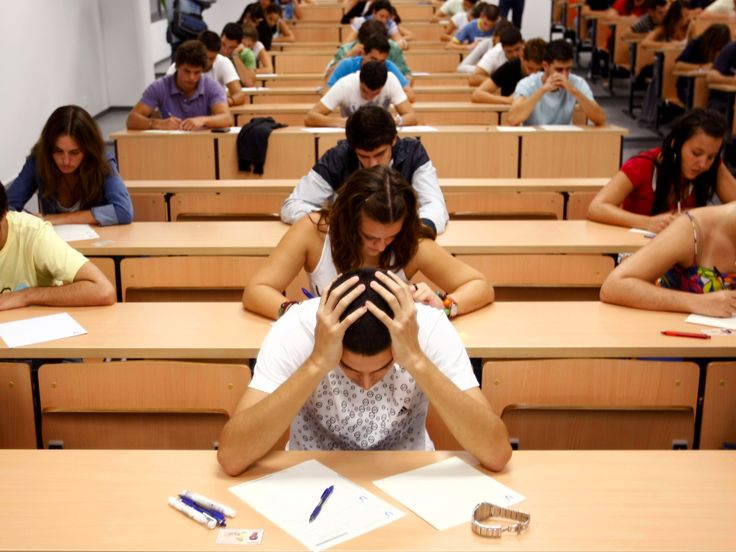
This focus can contribute to a stress-filled school experience, influencing mental health and overall student engagement.
Moreover, the curriculum is often criticised for being overloaded and too academically focused, leaving little room for other critical skills such as literacy, numeracy, and digital competency.
Addressing these key challenges demands an analytical approach to evaluate policy effectiveness and provide actionable insights.
Ultimately, addressing secondary school problems in the UK warrants a collaborative effort involving educators, parents, and policymakers to ensure a nurturing and effective educational environment.
Thomas Keith Independent School is committed to contributing to this dialogue and advocating for policies that prioritise student wellbeing and success.

Enablers and Barriers in Promoting Healthy Behaviors
Promoting healthy behaviours in secondary schools is pivotal in addressing the secondary school problems UK faces today.
These issues often include inadequate physical activity and poor dietary habits among pupils, which can impact both their health and academic performance.
Our institution, Thomas Keith Independent School, is committed to overcoming these challenges by identifying key enablers and barriers within the educational environment.
One of the primary enablers in promoting healthy behaviours is the presence of supportive school policies and staff.
Schools that implement comprehensive health policies, which are enforced consistently, provide a robust framework for encouraging students to engage in physical activity and make healthier dietary choices.
Our educators are trained to incorporate health education into the curriculum, fostering an environment where students can learn the benefits of maintaining a healthy lifestyle.
Another significant enabler is the involvement of parents and the wider community.
When parents are engaged and informed about the importance of healthy behaviours, they can reinforce these practices at home.
Community partnerships can also provide additional resources and support, enhancing the school’s efforts to promote health.
However, several barriers can impede the promotion of healthy behaviours in secondary schools.
One major barrier is competing academic pressures.
The current educational landscape often prioritises academic achievements over physical activity and wellness, leaving little time for health education within the school timetable.
This academic pressure can contribute to sedentary lifestyles among students, exacerbating the secondary school problems UK institutions frequently encounter.
Budget constraints are another formidable barrier.
Schools may struggle to allocate sufficient funds for facilities or programmes that encourage physical activity, such as sports equipment or extracurricular activities.
This lack of resources can hinder efforts to promote a healthy, active lifestyle among pupils.
Furthermore, the school environment itself can act as a barrier if the infrastructure does not support physical activity.
Inadequate sports facilities or limited access to healthy food options in school canteens can discourage students from engaging in health-promoting behaviours.
In conclusion, addressing these enablers and barriers requires a concerted effort from schools, parents, and the community.
By understanding and tackling these challenges, Thomas Keith Independent School aims to create a supportive environment that prioritises the well-being of its students while addressing the secondary school problems UK faces today.
Impact of Recent Educational Reforms
Recent educational reforms have had a profound impact on the landscape of secondary education in the UK, significantly influencing what are now known as secondary school problems in the UK.
These changes have been aimed at improving academic performance but have also introduced new challenges affecting students, teachers, and parents alike.
The introduction of reforms such as the revised GCSE grading system, the promotion of the English Baccalaureate (EBacc), and modifications in the assessment processes have altered the way schools deliver education.
One of the key aspects of these reforms is the emphasis on a restricted programme of academic learning.
While aiming to standardise educational achievement, this shift has inadvertently led to the narrowing of the curriculum.
This can place immense pressure on students to perform well in exams, often at the expense of wider educational experiences.
Such a focus has sometimes resulted in students facing anxiety and stress, as they navigate the demands of a more rigorous and academic-focused curriculum.
Secondary schools are now tasked with the challenge of balancing these academic expectations while maintaining student wellbeing, a persistent aspect of secondary school problems in the UK.
Moreover, recent reforms have altered how school performance is measured, creating a results-driven culture.
While the intention is to enhance school accountability and encourage improved educational outcomes, it can result in teaching methods that prioritise exam success over holistic education.
This can reduce opportunities for students to develop other essential skills that are not measured in standardised assessments, such as critical thinking and creativity.
Another significant reform has been the increase in literacy and numeracy standards as part of the national curriculum.
While this focus aims to ensure that students leave school with essential skills, it has placed additional stress on both teachers and pupils to achieve these benchmarks.
Addressing these secondary school problems in the UK requires a comprehensive approach that involves reviewing current policies and evaluating their broader impacts.
Educational reforms must consider the diverse needs of students, recognising that a one-size-fits-all approach may not always be effective.
At Thomas Keith Independent School, we are committed to providing an education that adapts to these changes while prioritising the unique needs of every student.
By integrating reforms with a holistic educational strategy, we aim to navigate the complexities posed by recent changes and support our students in achieving both academic success and personal growth.
Transitioning to Secondary School: Common Concerns
Transitioning to secondary school often presents various secondary school problems in the UK, which can impact young students in multiple ways.
This phase marks a significant change in a child’s educational journey, bringing forth challenges that can influence their academic and social development.
Understanding these common concerns is crucial for both parents and educators to ensure a smoother transition.
One of the primary concerns during the transition to secondary school is the academic workload.
The curriculum in secondary school is typically more comprehensive and demanding compared to primary education, requiring students to adapt to a faster pace of learning and a broader range of subjects.
This transition necessitates enhanced organisational skills and independence, which not all children may develop simultaneously.
In addition to academic challenges, social integration is another critical aspect that can heighten secondary school problems in the UK.
Students entering secondary education must navigate new social dynamics, form friendships, and find their place within a larger student body.
For some, this adjustment can be overwhelming, especially if they struggle with making friends or experience anxiety in new environments.
This stage also coincides with significant personal development and identity exploration, compounding the pressure students might feel.
Furthermore, the physical environment of secondary schools, often much larger than primary schools, can add to a student’s stress.
The need to move between classes in different locations, adapt to varying teaching styles, and manage a new timetable can be daunting.
These logistical changes highlight the importance of orientation programs and support systems in easing the transition phase.
At Thomas Keith Independent School, we recognise these challenges and aim to provide robust support to facilitate a positive transition for our students.
By engaging parents, teachers, and students in the process, we strive to mitigate the secondary school problems encountered in the UK, ensuring that each child feels supported academically, socially, and emotionally during this critical phase.
Addressing School Avoidance and Anxiety
School avoidance and anxiety are significant aspects of the secondary school problems UK students face today.
The transition from primary to secondary education can exacerbate these issues, leading to increased stress for both students and parents.
Understanding the root causes of school avoidance is essential in developing effective strategies to combat it.
Common triggers include fear of academic failure, bullying, and social anxiety, all of which contribute to the broader scope of secondary school problems UK institutions must address.
Engaging with educational psychologists and counsellors can offer valuable insights into these behavioural patterns.
Implementing tailor-made programmes that focus on cognitive behavioural strategies has shown promise in alleviating anxiety.
Moreover, fostering an environment that encourages open communication between students, parents, and educators is crucial.
This collaboration can help identify early signs of distress and allow for timely intervention, significantly reducing the risk of long-term academic and emotional repercussions.
Furthermore, schools can offer workshops that focus on building resilience and coping mechanisms.
By doing so, students learn to manage stress and anxiety more effectively, improving overall mental health and academic performance.
Another critical aspect is the role of teachers in recognising early indicators of anxiety and avoidance.
Regular training for educators on mental health awareness ensures they are equipped to provide initial support and referral to specialist services when needed.
Creating a supportive school culture where every student feels valued and understood can also mitigate the secondary school problems UK students experience related to anxiety.
Initiatives like peer mentoring programmes, where older students guide younger ones, can ease the transition into secondary education, reducing feelings of isolation and fear.
Addressing school avoidance and anxiety isn’t just about dealing with symptoms; it’s about creating a holistic approach that recognises the individuality of each student’s experience.
Ultimately, the goal is to create an inclusive and supportive educational environment.
By doing so, we at Thomas Keith Independent School aim to minimise the secondary school problems UK students face, ensuring they achieve their full potential in a nurturing and understanding setting.
The Role of Parents and Educators in Student Success
The secondary school problems UK face today are multifaceted, but collaboration between parents and educators remains paramount for student success.
Engaging both stakeholders effectively can mitigate these challenges and foster an environment where pupils thrive academically and personally.
Parents play a crucial role in reinforcing the skills and behaviours necessary for young people’s success at school.
Their involvement starts with understanding the curriculum, supporting homework routines, and nurturing a positive attitude towards education.
When parents are informed about school policies and academic expectations, they become allies in the educational process.
Communication between home and school is vital.
Regular dialogues with teachers can keep parents updated on their child’s progress and any arising issues.
This collaboration allows for early identification of potential concerns, such as academic struggles or social issues, which are common secondary school problems UK institutions encounter.
Educators, on the other hand, must provide an inclusive and supportive classroom environment.
By recognising the diverse needs and backgrounds of students, teachers can customise their approaches to instruction.
This adaptability ensures that all pupils, regardless of their starting point, are given equal opportunities to succeed.
Moreover, continuous professional development for teachers is essential.
Staying abreast of current educational strategies and pedagogical advancements helps them respond effectively to the evolving needs of students.
At Thomas Keith Independent School, creating a synergetic relationship between parents and educators is a cornerstone of our philosophy.
We believe that a strong partnership not only addresses current secondary school problems UK entails but also sets a foundation for lifelong learning and success.
In summary, the collaboration between parents and educators is indispensable in addressing secondary school problems UK schools face today.
By working together, they ensure that each pupil receives the guidance and support necessary to navigate their educational journey successfully.
Recommendations for Policy and Practice
Addressing the secondary school problems UK institutions face requires targeted policy recommendations and best practices for educators and policymakers.
A significant part of solving these issues lies in developing comprehensive strategies that can make secondary education more inclusive, supportive, and effective.
Firstly, incorporating a broader curriculum can mitigate some of the secondary school problems UK schools encounter.
This would involve balancing subjects to include not only core academic disciplines but also promoting vocational and technical education options.
Such an approach helps students with diverse interests and aptitudes find suitable educational pathways.
Additionally, reforming the GCSE assessment process could alleviate some common secondary school problems UK students face.
By adapting exams to assess a variety of skills and competencies, rather than merely memorising content, students would be able to demonstrate their understanding in more innovative and practical ways.
Moreover, it is recommended that primary and secondary schools enhance collaboration between parents, educators, and support staff.
Engagement programs that connect families with schools ensure a supportive learning environment that encourages student success and reduces school refusal cases.
Furthermore, funding and policy should prioritise mental health resources within schools.
Introducing trained counsellors and mental health professionals can address the growing concerns of school anxiety, which are significant secondary school problems UK students experience today.
Finally, ongoing professional development for educators is essential to achieve these recommendations.
By training teachers in the latest educational approaches and psychological support methods, the quality of education improves markedly, directly impacting student outcomes.
Implementing these changes requires commitment from policy-makers and educational institutions but is crucial to overcoming the secondary school problems UK students and educators face daily.
Conclusion: Towards a Supportive Educational Environment
The landscape of secondary education in the UK faces significant challenges, commonly referred to as secondary school problems uk, particularly when it comes to fostering an inclusive and supportive educational environment.
Addressing these challenges is crucial for student success and requires a multi-faceted approach that involves the concerted efforts of educators, parents, policymakers, and the wider community.
To overcome secondary school problems uk, it’s essential to prioritise creating an environment where students feel safe, valued, and encouraged to reach their full potential.
This involves not only reforming policies to address academic pressures and mental health concerns but also promoting healthy diet and physical activity behaviours, as these contribute to overall well-being.
Schools have the responsibility to provide resources and support systems that cater to the diverse needs of their pupils, ensuring no student is left behind due to social or economic disadvantages.
Furthermore, tackling secondary school problems uk means embracing innovative and flexible approaches to education that depart from the traditional, one-size-fits-all model.
Encouraging collaboration between parents and educators plays a pivotal role in creating an open dialogue about the challenges faced in school settings.
This collaboration can lead to more tailored educational experiences that recognise and nurture individual talents and skills.
Ultimately, a supportive educational environment is one where secondary school problems uk are actively identified and addressed through continuous assessment and improvement of teaching practices and school policies.
By fostering a culture of inclusivity and understanding, schools can greatly enhance the educational experiences of students, preparing them not only for exams but for life beyond the classroom.
At Thomas Keith Independent School, our commitment to improving secondary education is reflected in our dedication to creating such environments that empower every student to succeed.
