





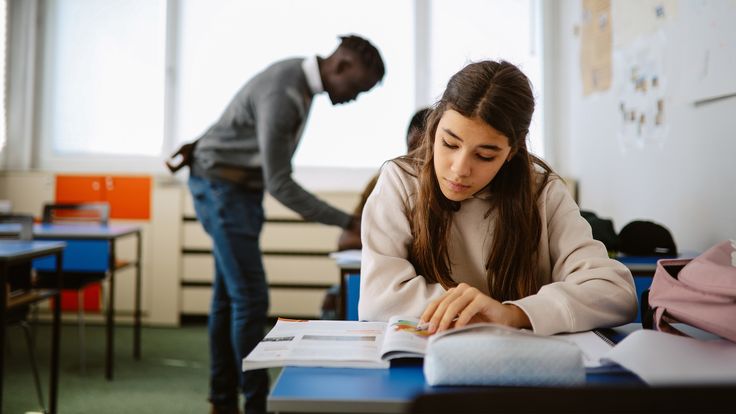
Introduction to Primary-Secondary School Transition
The transition from primary to secondary school UK is a pivotal moment in a child’s educational journey.
It marks a significant shift in the academic and social environment, presenting both opportunities and challenges.
At Thomas Keith Independent School, the focus is on ensuring that this transition is as smooth as possible for every child.
Transitioning from primary to Secondary School involves adapting to new routines, larger class sizes, and a broader curriculum.
Children must navigate these changes while forming new friendships and adjusting to different teaching styles.
This phase is crucial for development, impacting academic performance and emotional well-being.
The transition also demands a higher level of independence from children.
They must manage their time effectively and take responsibility for their learning.
Parents and educators play a vital role in facilitating a successful transition.
By providing guidance and support, they help children adjust to these new demands.
Research shows that preparing for the transition from primary to secondary school can alleviate anxiety and improve student outcomes.
At Thomas Keith Independent School, personalised approaches are designed to address individual needs.
These efforts ensure that students feel supported and confident as they move into secondary education.
In conclusion, the transition from primary to secondary school UK is more than just a change in educational settings.
It’s a comprehensive process that necessitates robust support systems to foster resilience and growth.
Understanding and addressing the complexities of this transition are paramount to ensuring a positive experience for all students.

Challenges Faced During Transition
The transition from primary to secondary school in the UK presents numerous challenges for students, parents, and educators alike.
Understanding these challenges is crucial for facilitating a smooth and successful changeover in the educational journey.
One of the primary challenges faced during the transition from primary to secondary school is the adjustment to a new and often more demanding academic environment.
In secondary schools, students encounter a broader curriculum and are required to be more autonomous in their learning.
This shift necessitates a higher level of self-discipline and time management skills, which not all students possess upon leaving primary school.
Another significant challenge is the change in social dynamics.
In primary school, students typically learn in the same classroom with the same peers for most of the day, creating a tightly-knit social network.
However, in secondary school, students must adapt to multiple teachers and classmates, which can be daunting and may lead to feelings of isolation or anxiety.
Navigating this complex social structure is a vital part of the transition process.
The physical school environment itself presents a challenge.
Secondary schools are often larger than primary schools, with students needing to move between different classrooms throughout the day.
This can be overwhelming, particularly for younger students who may struggle with navigating the new environment and adapting to varied teaching styles.
Additionally, the transition can be particularly challenging for children with special educational needs, such as those with autism spectrum disorder.
These students might find the changes in routine and environment particularly unsettling and may require additional support to adjust successfully.
Ensuring that schools provide appropriate accommodations is essential in fostering an inclusive educational environment.
Parental involvement becomes increasingly critical during this phase.
Parents need to guide their children through this transition by maintaining open communication and working closely with teachers to monitor their children’s progress and well-being.
Finally, the ongoing psychological and emotional impact cannot be overlooked.
Feelings of stress, anxiety, and even low self-esteem can surface as students enter secondary school schools and families need to offer robust support systems to help students build resilience and confidence during this pivotal stage.
By acknowledging these challenges, Thomas Keith Independent School aims to provide actionable support and resources to ease the transition from primary to secondary school in the UK, ensuring a conducive learning atmosphere for every student.
Impact of Transition on Children with Autism Spectrum Disorder
The transition from primary to secondary school UK can be particularly challenging for children with autism spectrum disorder (ASD), impacting various aspects of their educational journey.
The transition from primary to secondary school UK involves a shift in routines and environments, both of which can be difficult for children with ASD.
Children with autism spectrum disorder often thrive in familiar settings, where predictability and routine are key to their comfort and success.
The transition from primary to secondary school UK disrupts this sense of familiarity, as students must adapt to new classrooms, teachers, and peers.
This transition may exacerbate feelings of anxiety and stress, common among students with ASD.
The increased complexity of social interactions in a secondary school environment can be overwhelming for children on the autism spectrum.
Navigating new social hierarchies and understanding unspoken social rules are significant challenges for these students.
As a result, some may experience peer victimisation or bullying, impacting their mental health and academic performance.
In addition to social challenges, the academic demands in secondary school are often greater.
Children with autism spectrum disorder may struggle with changes in teaching styles and increased homework.
These academic pressures can lead to difficulties in adaptive function, affecting overall educational outcomes.
For parents and educators, understanding the unique needs of children with ASD during this crucial transition is vital.
Effective strategies include providing support systems, such as transition programmes that focus on social skills and familiarisation with new environments.
Thomas Keith Independent School recognises the importance of tailored support for students with autism spectrum disorder during the transition from primary to secondary school UK.
Our approach includes collaboration with parents and in-depth training for teachers to ensure that the learning environment is inclusive and supportive.
By addressing the challenges associated with this transition, we aim to minimise the impact on children with autism spectrum disorder, facilitating a smoother and more positive transition experience.
Role of Parents and Guardians in Supporting Transition
The transition from primary to secondary school in the UK is a significant milestone that can be challenging for both children and their families.
Parents and guardians play a crucial role in facilitating a smooth transition by providing emotional support and practical guidance throughout this period of change.
One of the primary ways that parents can assist in this transition is by fostering open communication with their children.
This involves discussing any fears or anxieties they might have about moving to a secondary school, thus addressing potential transition-related stressors before they become problematic.
Additionally, parents are encouraged to liaise with teachers and school staff to gain insights into their child’s adaptation to the new environment.
Engaging with educational resources can further assist parents and guardians.
For instance, Thomas Keith Independent School offers informative sessions and resources that can be utilised to help children acclimate to the new academic and social demands posed by secondary education.
Parents can also support organisation and time management skills development, which are critical as students face increased academic responsibilities.
Furthermore, it is beneficial for parents to familiarise themselves with the secondary school system, including its curriculum and extracurricular opportunities.
This knowledge equips them to better understand the environment their child will be transitioning into, allowing them to offer more targeted support.
Finally, fostering resilience and encouraging a positive attitude towards change can significantly benefit children during this formative period.
By helping their children develop coping strategies for dealing with challenges and setbacks, parents and guardians can enhance their children’s ability to navigate the transition from primary to secondary school successfully.
In conclusion, the involvement of parents and guardians is vital in ensuring children experience a positive transition from primary to secondary school in the UK.
Through active participation, communication, and support, parents can play an instrumental role in their child’s educational journey.
Strategies for Teachers to Facilitate Smooth Transitions
The transition from primary to secondary school in the UK presents a unique set of challenges and opportunities for educators.
Teachers play a pivotal role in ensuring a smooth transition for students, which is crucial for fostering a supportive educational environment.
Research indicates that structured strategies can significantly improve students’ adaptation to the new school setting.
One key strategy for facilitating a smooth transition from primary to secondary school in the UK is the development of a comprehensive orientation programme.
This programme should introduce students to the expectations and routines of secondary school life, helping to alleviate anxiety and build confidence.
Incorporating peer mentoring schemes can also be highly beneficial.
Older students who have successfully navigated the transition themselves can provide insights, guidance, and assurance to incoming pupils.
This peer support can be instrumental in reducing feelings of isolation and building a sense of community.
Additionally, effective communication between primary and secondary educators is vital to identify and address any individual needs a student may have.
Sharing information about students’ academic performances, strengths, and areas that need support ensures continuity in their education.
Classroom strategies should also be adapted to accommodate diverse learning styles and needs.
Utilising differentiated instruction can help cater to students with varying abilities and learning preferences.
Moreover, teachers should be proactive in fostering resilience and adaptability within their students.
Embedding these skills in the curriculum helps students cope with change, a vital aspect of successfully managing the transition.
Regular feedback sessions with students can provide teachers with insights into how students are adjusting, what challenges they face, and how best to support them.
In conclusion, through orientation programmes, peer mentoring, robust communication between educational stages, differentiated instruction, and fostering resilience, teachers can significantly ease the transition from primary to secondary school in the UK.
Adopting these strategies, Thomas Keith Independent School ensures that students embark on this new chapter with confidence and enthusiasm, leading to a positive and enriching school experience.
The Influence of COVID-19 on School Transitions
The transition from primary to secondary school in the UK has been significantly influenced by theCOVID-199 pandemic.
This unprecedented global event has not only disrupted the typical school routine but has also altered the transition experience for students, teachers, and parents alike.
Adjustments were necessary to ensure the continuation of education while safeguarding public health.
One of the most profound impacts of COVID-199 on the transition from primary to secondary school in the UK was the shift to remote learning.
Students who were supposed to enter a new physical learning environment found themselves attending virtual classes instead.
This lack of physical presence in a new school setting hindered the usual process of adaptation and socialisation, which is crucial for students transitioning from primary to secondary school.
Additionally, the pandemic limited face-to-face interactions, leading to challenges in establishing new relationships between students and their teachers.
The formation of social bonds and a sense of belonging, vital aspects of a successful transition, were postponed or weakened, impacting the students’ initial secondary school experience.
The role of parents and guardians also evolved during this period.
With schools closed, parents assumed more responsibility in facilitating the transition process, balancing work-from-home duties with guiding their children through their academic journey.
Many parents found themselves as mediators between their children and teachers, navigating the nuances of online education to ensure that the transition from primary to secondary school was as seamless as possible.
Teachers, on the other hand, had to redefine their strategies to cater to remote learning environments.
Teaching staff were tasked with finding innovative ways to engage students, maintain interest, and foster the resilience needed to overcome the challenges posed by this disruptive period.
COVID-19 also underscored the importance of mental health support during transitions.
Transitioning between primary and secondary school under normal circumstances is complex, but the pandemic introduced additional stressors.
Schools, parents, and mental health professionals collaborated more than ever to provide resources and support systems to help students cope with the uncertainty and anxiety associated with these changes.
In conclusion, while the COVID-19 pandemic interrupted traditional schooling patterns, it also demonstrated the resilience and adaptability of educational institutions and families.
The transition from primary to secondary school in the UK was redefined, revealing the essential role of collaborative efforts in overcoming the challenges brought about by such a global crisis.
Fostering Resilience and Wellbeing in Students
The transition from primary to secondary school in the UK presents a unique opportunity to foster resilience and well-being in students.
At Thomas Keith Independent School, we recognise the importance of equipping students with the emotional tools needed to thrive during this significant educational shift.
Understanding the dynamics of resilience is crucial for supporting children through the transition from primary to secondary school.
Resilience refers to the ability to adapt and recover from challenges and setbacks, a skill that is invaluable during the often tumultuous period of school transition.
To cultivate resilience, it is vital to create an environment where students feel safe, supported, and understood.
One effective strategy is to implement mentorship programmes that link new secondary school students with older peers who can offer guidance and support.
Such programmes not only provide practical advice but also help alleviate feelings of isolation and anxiety by establishing a supportive peer network.
In addition, integrating emotional intelligence education into the curriculum can prove beneficial.
By teaching students to identify, understand, and manage their emotions, schools can empower them to navigate the challenges of the transition from primary to secondary school more effectively.
Furthermore, promoting a culture of open communication between teachers, parents, and pupils is essential.
Encouraging dialogue about challenges and stressors associated with the transition helps students feel heard and valued, thus enhancing their well-being.
Schools can also organise workshops and seminars focused on mental health and well-being, equipping students with coping mechanisms and stress management techniques.
In summary, fostering resilience and well-being in students during the transition from primary to secondary school is a multifaceted endeavour.
By providing mentorship, integrating emotional intelligence education, and promoting effective communication, Thomas Keith Independent School aims to ensure a smooth and empowering transition for all students.
Conclusion and Recommendations
The transition from primary to secondary school UK presents numerous challenges and opportunities for students, particularly when considering the diverse needs of each individual.
Successfully navigating this transition requires a multifaceted approach that considers educational, social, and emotional dimensions.
At Thomas Keith Independent School, we emphasise the importance of a holistic strategy to support this critical phase.
One of the key recommendations is to foster strong communication channels between students, parents, and teachers.
Clear and open dialogue ensures that concerns are addressed promptly and effectively during the transition from primary to secondary school UK.
Additionally, implementing structured orientation programmes can significantly ease the anxiety associated with transitioning to a new school environment.
These programmes should aim to familiarise students with their new setting and help them build positive relationships with peers and teachers.
Emphasising the development of resilience and well-being strategies is also crucial.
Equipping students with tools to manage stress and adapt to change will not only enhance their transition experience but also serve them throughout their educational journey.
By applying these recommendations, Thomas Keith Independent School aims to make the transition from primary to secondary school UK as seamless and supportive as possible, promoting both academic success and personal growth.
