





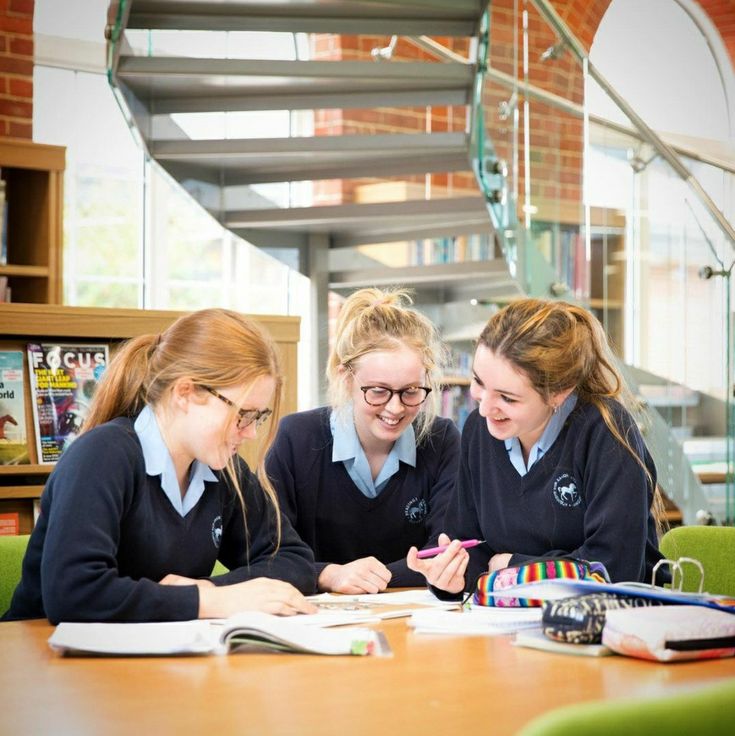
Introduction to UK Secondary Schools
UK secondary schools form a crucial stage in the British education system, bridging the gap between primary education and further academic pursuits or vocational training.
Typically catering to students aged 11 to 16 or 18, they offer a structured environment where pupils can explore a broad curriculum and develop essential skills for their futures.
Understanding how UK secondary schools function is vital for anyone considering enrolling in a British educational institution, such as the Thomas Keith Independent School.
The UK education system is globally renowned for its rigorous standards and commitment to fostering a comprehensive learning environment.
In secondary schools, the emphasis is placed on both academic achievement and personal development, creating a balanced approach that supports lifelong learning.
Secondary education in the UK is divided into two main stages:
– Key Stage 3 (ages 11-14)
– Key Stage 4 (ages 14-16), where students typically work towards their GCSEs
After completing Key Stage 4, many students choose to continue their studies in sixth form, working towards A-levels or equivalent qualifications, which can be part of the secondary school or an external college.
The diverse types of UK secondary schools ensure that education is accessible to all, with options ranging from state-funded institutions to private schools like Thomas Keith Independent School, known as one of the best school UK options available.
With the autonomy to innovate within the framework set by the national curriculum, these schools are positioned to meet the diverse needs of their student population.
The curriculum in UK secondary schools is designed to be comprehensive, covering a range of subjects such as English, Mathematics, Science, Humanities, and the Arts.
This broad subject range helps develop inquisitive minds and instils a passion for lifelong learning, key attributes for success in modern society.
Furthermore, UK secondary schools are committed to inclusivity and the support of students with learning challenges.
Initiatives to reduce the stigma around learning difficulties like dyslexia are integrated into the educational framework, ensuring equal opportunities for all pupils to thrive.
Prospective students and their families considering the vibrant offerings of UK secondary schools will find a system dedicated not just to academic excellence but also to nurturing well-rounded individuals ready to contribute to society.
Whether it is through state-funded programs or private education options like Thomas Keith Independent School, the journey through secondary education in the UK is a pathway marked by opportunity and growth.
Structure of the British Education System
The British education system is renowned for its comprehensive structure, which caters to children from early years through to higher education, with UK secondary schools playing a pivotal role in this framework.
The system is broadly divided into four key stages.
The first stage is primary education, which typically spans from ages 5 to 11.
This foundational stage is followed by secondary education, where UK secondary schools serve students aged 11 to 16, guiding them through crucial developmental years.
UK secondary schools can be further classified into different types, including academies, grammar schools, and comprehensive schools.
The structure of the British education system is unique in its provision of various pathways to suit diverse learning needs and career aspirations.
Secondary education culminates in the General Certificate of Secondary Education (GCSE), a vital qualification that serves as a critical stepping stone.
Post-GCSE, the educational journey can extend to Sixth Form, where students aged 16 to 18 prepare for Advanced Level (A-level) examinations.
These qualifications are instrumental for university admission or vocational training.
The presence of both public and private institutions in UK secondary schools reflects the diversity in educational offerings, enhancing accessibility for families across socioeconomic backgrounds.
Private institutions, such as Thomas Keith Independent School, offer tailored curricula that can provide specialised education.
The British education system promotes a mix of university-led academics and skills-oriented training.
This integration ensures that students from UK secondary schools emerge as well-rounded individuals ready to tackle either higher education or the workforce.
This system’s adaptive nature is highly regarded, with many considering it to be among the best school systems globally.
The comprehensive structure of UK education, with its blend of tradition and modern educational demands, underscores its global reputation for excellence.
For stakeholders in the education sector, the alignment of curricula with market needs positions UK secondary schools among leading educational establishments.

Types of Secondary Schools in the UK
UK secondary schools offer a variety of educational environments, catering to the diverse educational needs and preferences of students.
The types of secondary schools in the UK can mainly be classified into state-funded schools and independent schools.
Understanding these types can assist parents and guardians in making informed decisions about their child’s education.
State-funded secondary schools, commonly referred to as maintained schools, are funded by the government and offer free education to students.
These include comprehensive schools, which do not select students based on academic achievement at intake, thus embracing a wide range of abilities.
Another type within the state-funded category is grammar schools.
Grammar schools are selective and admit students based on their performance in the 11+ examination.
Although fewer in number, grammar schools are notable for their academic focus and competitive entry process.
Faith schools or religious schools are also part of the state-funded system, but with an emphasis on particular religious beliefs, affecting their religious education curriculum.
Academies and free schools are publicly funded but enjoy greater autonomy compared to traditional state schools.
They have more control over their curriculum, finances, and operations, often resulting in specialised educational offerings.
Independent secondary schools, often termed private schools, are funded through tuition fees paid by parents and are not bound by the national curriculum.
These schools vary widely in terms of curriculum focus, class sizes, and facilities.
Many independent schools boast excellent examination results, and some are considered among the Best Schools in the UK.
Each type of secondary school in the UK aims to deliver high-quality education and provide a conducive learning environment.
Selecting the right school type involves considering a variety of factors, including educational philosophy, financial resources, and the individual needs of the student.
As an online school, Thomas Keith Independent School offers an alternative approach, combining the structured curriculum typical of UK secondary schools with the flexibility of remote learning.
Applying for a Secondary School Place
Applying for a secondary school place in UK secondary schools is a crucial process that can influence a child’s educational trajectory.
Understanding the intricate application procedure is essential for parents and guardians aiming to secure a spot at one of the best schools in the UK.
The admission process typically begins when the child is in Year 6, as they prepare to transition from primary to secondary education.
Local authorities manage the application process, and parents must submit their applications by a specific deadline, usually in October.
This timeline ensures that there is ample time for UK secondary schools to assess applications and allocate places.
When applying for a place in secondary schools, it’s vital to research thoroughly.
Each school may have unique admissions criteria, often outlined in its admissions policy.
Priority is generally given to children living within the school’s catchment area, but other factors, such as sibling attendance or special educational needs, may also play a role.
Many UK secondary schools require parents to rank their school preferences on the application form.
It is recommended to consider several factors when prioritising choices, including academic performance, extracurricular activities, and the school’s ethos.
Some schools may offer open days or virtual tours, such as Thomas Keith Independent School, allowing parents and students to gain insight into the environment, speak with teachers, and get a feel for daily life.
The national offer day, typically in March, is when parents receive notification of their child’s allocated school.
If the offer is not satisfactory, the option to appeal is available, though it is a process that requires presenting substantial reasons for the claim.
Parents are advised to accept the given place while pursuing an appeal to ensure that the child has a secured spot in a secondary school.
Adhering to deadlines, conducting thorough research, and being open to alternatives ensures that parents navigate the application process successfully, thereby securing a place for their child in one of the leading UK secondary schools. Curriculum and Subjects Offered
The curriculum in UK secondary schools is meticulously structured to provide a comprehensive education that prepares students for their future endeavours, whether academic or vocational.
In secondary education across the UK, the National Curriculum serves as the backbone, delineating the essential subjects and skills students should acquire.
This consistent framework ensures that, regardless of the type of school, learners receive a balanced education.
At the core of the curriculum, students engage with a range of subjects designed to build a robust academic foundation.
Core subjects generally include English, Mathematics, and Science, which are compulsory and pursued at varying levels of depth and complexity.
Beyond these, UK secondary schools often mandate the study of Humanities, Modern Languages, and Physical Education, each contributing vital skills and knowledge areas.
In addition to the core requirements, students in UK secondary schools are typically offered a mix of elective subjects.
These electives allow students to tailor their education according to their interests and career aspirations, reflecting both academic and vocational paths.
Popular electives often span the Arts, Technology, and Social Sciences, giving students the flexibility to explore diverse fields and identify their strengths and passions.
The Key Stage system in UK secondary schools divides the educational journey into distinct phases, each with specific learning objectives and assessments.
Key Stage 3 (ages 11-14) focuses on broadening students’ knowledge across various disciplines, while Key Stage 4 (ages 14-16) culminates in the General Certificate of Secondary Education (GCSE) examinations.
These GCSEs are critical, as they influence students’ further education choices and potential entry into the best schools in the UK for either A-levels or vocational qualifications.
The provision of subjects in UK secondary schools is continually evolving to meet the demands of a changing world.
Emerging disciplines, such as Computer Science and Ethical Studies, are increasingly becoming integral components of the curriculum, reflecting the need for technological literacy and moral reasoning.
This evolution ensures that UK secondary schools remain at the forefront of delivering relevant and high-quality education, maintaining their position among the best schools in the UK.
Addressing Learning Challenges: Dyslexia in Secondary Schools
UK secondary schools play a crucial role in addressing learning challenges, including dyslexia, to ensure all students have the opportunity to succeed academically.
Dyslexia, a learning difficulty marked by challenges in reading and spelling, affects a significant number of students across UK secondary schools.
In addressing dyslexia, educators need to employ specific strategies and resources to assist affected students.
Early identification of dyslexia is key, as it allows UK secondary schools to implement intervention strategies promptly.
Screening during the early years of secondary education can help identify students at risk, ensuring that necessary support is provided.
This proactive approach not only benefits students educationally but also helps maintain their confidence and motivation.
One effective method used in UK secondary schools is differentiated instruction.
This approach involves tailoring teaching methods to suit the students’ unique learning needs, ensuring that all students, including those with dyslexia, can access the curriculum.
For instance, teachers might use multisensory techniques involving sight, sound, and touch to reinforce learning, which can be particularly beneficial for dyslexic students.
Moreover, technology plays a pivotal role in supporting students with dyslexia in UK secondary schools.
Tools such as text-to-speech software and dyslexia-friendly fonts are incorporated into classrooms to help minimise reading challenges.
These technological aids provide students with alternative ways to engage with learning materials, enhancing their overall educational experience.
Teacher training is another critical component in effectively addressing dyslexia.
UK secondary schools must ensure that their staff are equipped with the knowledge and skills to identify and support students with dyslexia.
Professional development programmes focused on learning difficulties help teachers stay informed about the latest strategies and tools that can aid dyslexic students.
By prioritising support for students with dyslexia, UK secondary schools are not only advancing inclusivity but also fostering an environment where every learner can thrive.
Schools like Thomas Keith Independent School must continue to adapt and refine their approaches, ensuring they remain at the forefront of supporting students with learning challenges effectively.
Comprehensively addressing dyslexia ensures that UK secondary schools remain among the best educational environments where diverse learning needs are met.
Reducing Stigma and Promoting Mental Health
In the context of UK secondary schools, reducing stigma and promoting mental health are of paramount importance for creating a supportive learning environment.
The modern educational landscape recognises that mental health plays a critical role in students’ academic and personal growth.
Addressing these issues effectively involves a combination of policy, education, and culture change within schools.
Historically, the stigma around mental health in UK secondary schools has led to significant barriers in seeking help.
Students often fear being labelled or misunderstood, which can exacerbate their mental health challenges.
To combat this, schools have increasingly adopted mental health education as part of their curriculum.
This initiative aims to normalise conversations around mental health, making it an integral part of student welfare.
Teachers are receiving training to identify early signs of mental health issues and to direct students towards appropriate resources.
This empowers educators in UK secondary schools to act as frontline supporters in a youth-friendly manner.
Peer support programmes also play a vital role in reducing stigma.
By facilitating open discussions among students, these programmes promote empathy and understanding while creating a network of support amongst peers.
Moreover, involving parents and caregivers in mental health education initiatives ensures a holistic approach to combating stigma.
Schools organise workshops and seminars to educate families on recognising mental health issues and seeking help.
Digital platforms, adopted by institutions such as Thomas Keith Independent School, offer additional support through online resources and counselling services.
These platforms enable students who are more comfortable in virtual spaces to access help discreetly, ensuring no student is left behind on the path to mental wellness.
In conclusion, embedding mental health awareness and support structures within UK secondary schools is essential.
By reducing stigma through education and creating a supportive culture, schools ensure that students can thrive academically and personally.
This holistic approach aligns with the changing perceptions of mental health, marking a positive shift towards inclusivity and understanding in the best UK school environments.
Secondary Education for Expatriates
Navigating the landscape of UK secondary schools can be a challenging endeavour for expatriates seeking the best educational opportunity for their children.
The UK education system is renowned for its variety and quality, making it an attractive option for many expatriate families.
Understanding the structure and offerings of UK secondary schools is crucial to making informed decisions.
One primary consideration for expatriate families is the enrolment process.
UK secondary schools follow a formal process for admissions, which can vary depending on whether a student is entering a public or an independent school.
Public schools, funded by the government, often allocate places based on local catchment areas, while independent schools may have their own criteria, including entrance exams.
Expatriate families are advised to begin the application process well in advance to accommodate entrance tests and necessary documentation.
The curriculum in UK secondary schools is another key aspect for expatriates.
The National Curriculum sets a standard across all UK schools, ensuring a consistent educational framework.
Subjects typically include mathematics, English, sciences, and humanities, providing a balanced and comprehensive education.
Additionally, many UK secondary schools, particularly independent ones, offer the International Baccalaureate (IB) programme, which may be familiar to families relocating from other countries.
Cultural integration also plays a significant role in secondary education for expatriates.
UK secondary schools often provide support services for international students, helping them acclimatise to new surroundings and education systems.
Language support services can be particularly beneficial for students for whom English is an additional language.
Extracurricular activities and school communities offer further ways for students to engage and feel included.
In conclusion, UK secondary schools present a variety of options and opportunities for expatriate families.
By understanding the application process, curriculum, and support structures in place, expatriates can successfully navigate the system.
Schools like Thomas Keith Independent School provide a tailored approach for expatriates, ensuring that students receive the best education within the UK schooling framework.
Conclusion: The Future of Secondary Education in the UK
The landscape of UK secondary schools is poised for ongoing transformation amidst evolving educational needs and technological advancements.
UK secondary schools are adapting to incorporate digital learning strategies, ensuring students are equipped for an increasingly digital world.
At Thomas Keith Independent School, attention is given to enhancing online learning environments, catering to diverse student needs and preferences.
Sustainability is becoming an integral pillar, with secondary education systems weaving eco-friendly practices into their operational framework and curricula.
Embracing sustainability not only aligns with broader societal goals but also educates students on the importance of environmental stewardship.
Furthermore, personalised learning is projected to take centre stage within UK secondary schools.
This approach, facilitated by data analytics and AI, allows the tailoring of educational experiences to individual strengths and areas for improvement.
Secondary schools in the UK are likely to see a shift towards more flexible curriculum models, fostering creativity and critical thinking.
Students will benefit from opportunities to intertwine interdisciplinary studies, preparing them for dynamic future career landscapes.
Industry partnerships and real-world application of knowledge are anticipated to increase, striving to reduce the gap between education and the workforce.
UK secondary schools must cultivate skills that align with current and future job markets, such as coding, entrepreneurship, and emotional intelligence.
While challenges remain, the adaptability of UK secondary schools underpins their potential to continue delivering high-quality education.
Commitment to innovation and continuous improvement stands as a testament to the dedication of institutions like Thomas Keith Independent School.
The future of secondary education is not only about imparting knowledge but also about preparing students for life in an ever-changing world.
In summary, the future of secondary education in the UK is rife with opportunities to enhance student engagement and achievement.
Through strategic innovation, UK secondary schools will continue to thrive as pillars of learning excellence.
